
Avoiding Common Mistakes During Heat Waves: Essential Tips for Safety
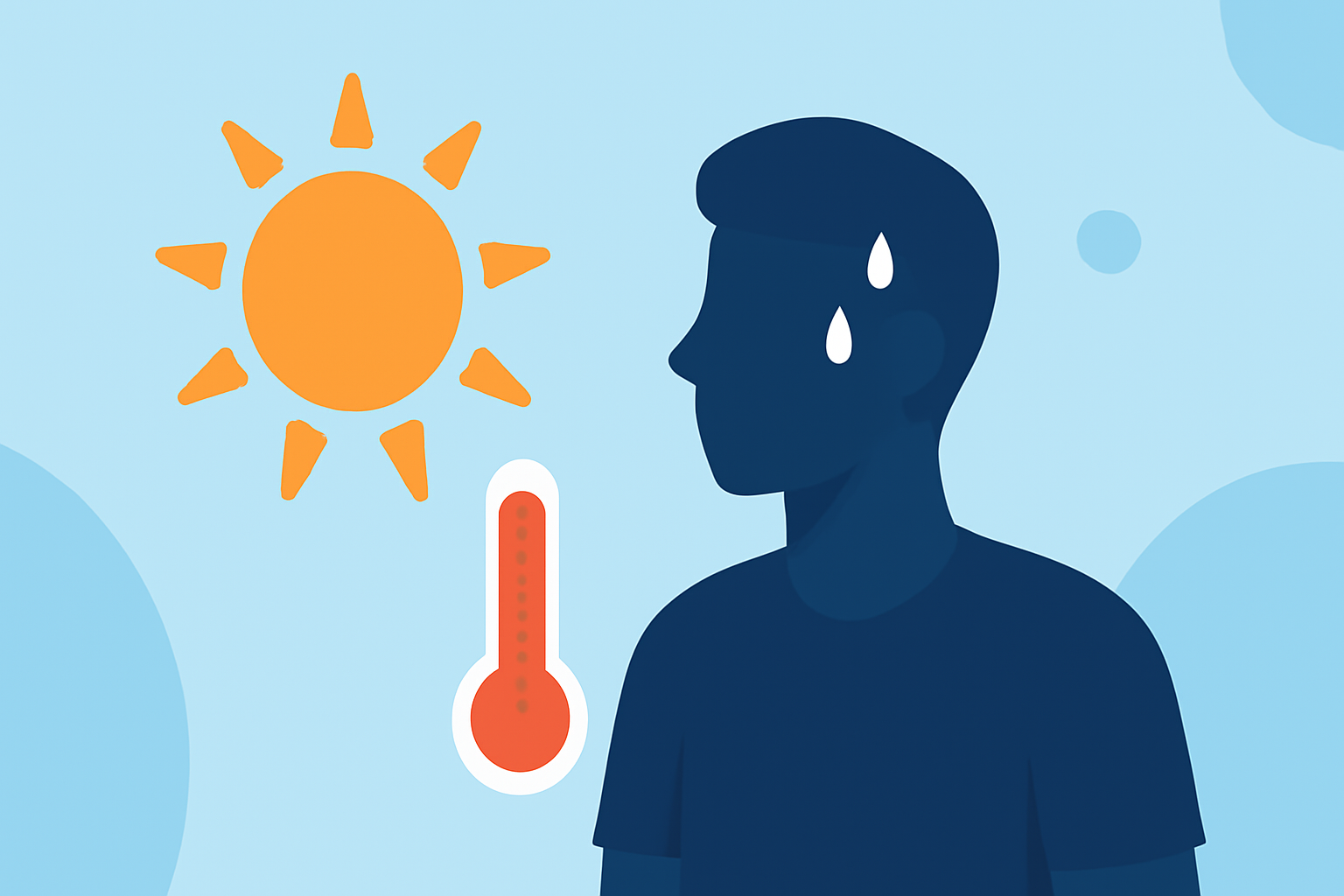
Heat waves pose significant health risks, especially as they become more frequent and intense due to climate change. Understanding and avoiding common mistakes can help you stay safe during these extreme conditions. Here are key strategies to protect yourself and your loved ones during heat waves:
1. How Can I Acclimate to Extreme Heat?
Gradually exposing your body to higher temperatures allows it to adjust, reducing the risk of heat-related illnesses. Start by spending short periods outdoors each day, progressively increasing the duration as your body adapts. This gradual acclimatization helps your body manage heat stress more effectively. (tpr.org)
2. What Are the Risks of Overexertion in Heat?
Engaging in strenuous activities during peak heat hours can overwhelm your body's cooling mechanisms, leading to heat exhaustion or heat stroke. It's advisable to limit physical exertion during the hottest parts of the day and opt for lighter activities in cooler periods. (time.com)
3. How Does Dehydration Affect Me in Hot Weather?
High temperatures increase the body's fluid loss through sweat, making dehydration a significant concern. To prevent dehydration, drink plenty of water throughout the day, even if you don't feel thirsty. Avoid alcohol and caffeine, as they can contribute to dehydration. (time.com)
4. Why Is It Important to Stay Indoors During Peak Heat?
Staying indoors during the hottest parts of the day, typically between 10 a.m. and 4 p.m., minimizes exposure to extreme temperatures. If you must go outside, seek shade and wear appropriate clothing to protect your skin. (time.com)
5. How Can I Keep My Home Cool Without Overusing Air Conditioning?
To maintain a comfortable indoor environment without overburdening your air conditioning system:
-
Use Fans Strategically: Place fans near windows during cooler hours to promote cross-ventilation.
-
Close Curtains and Blinds: Keep them closed during the day to block out heat from the sun.
-
Seal Leaks: Ensure windows and doors are properly sealed to prevent warm air from entering.
These practices can help reduce indoor temperatures and energy consumption. (womanandhome.com)
6. What Are the Signs of Heat-Related Illnesses?
Recognizing the symptoms of heat-related illnesses is crucial for prompt treatment:
-
Heat Exhaustion: Symptoms include heavy sweating, weakness, dizziness, nausea, and headache.
-
Heat Stroke: Symptoms include confusion, rapid heartbeat, and loss of consciousness.
If you or someone else exhibits these symptoms, move to a cooler place, hydrate, and seek medical attention immediately. (time.com)
7. How Can I Protect Vulnerable Populations During Heat Waves?
Certain groups are more susceptible to heat-related illnesses, including the elderly, children, and individuals with chronic health conditions. To protect them:
-
Check In Regularly: Ensure they have access to cool environments and are staying hydrated.
-
Provide Resources: Offer fans, cool clothing, and assistance with errands if needed.
-
Encourage Cooling Centers: If available, suggest visiting public cooling centers during extreme heat. (apnews.com)
8. What Are the Best Practices for Using Air Conditioning During Heat Waves?
To use air conditioning effectively and prevent system strain:
-
Set Thermostat Wisely: Avoid setting the temperature too low; a moderate setting is sufficient.
-
Maintain the System: Regularly clean filters and ensure the system is functioning properly.
-
Use Programmable Thermostats: Set temperatures to adjust automatically during peak heat hours. (tomsguide.com)
By implementing these strategies, you can significantly reduce the risks associated with heat waves and ensure a safer environment for yourself and those around you.