
Avoiding Common Mistakes in Interpreting U.S. Drought Outlooks
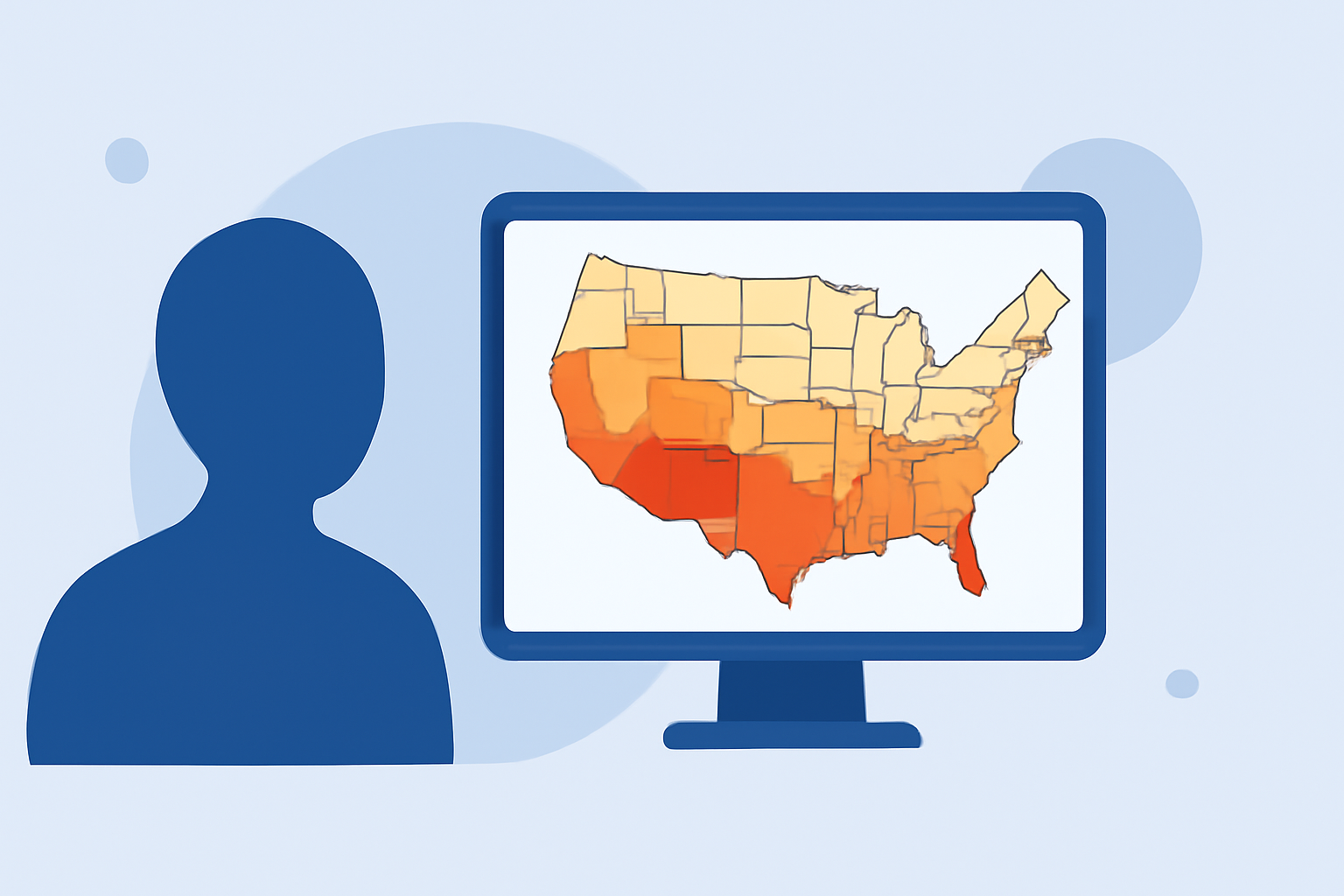
Understanding and accurately interpreting U.S. Drought Outlooks is crucial for effective water resource management, agriculture, and emergency preparedness. The Climate Prediction Center (CPC), part of the National Weather Service, provides these outlooks to forecast drought conditions across the United States. However, misinterpretations can lead to inadequate responses and resource misallocation.
What Are U.S. Drought Outlooks?
U.S. Drought Outlooks are forecasts issued by the CPC that predict the likelihood of drought conditions over the next one to three months. These outlooks categorize areas based on the expected drought status:
- Drought Persists: Existing drought conditions are expected to continue.
- Drought Development Likely: Conditions are favorable for the development of drought.
- Drought Removal Likely: Current drought conditions are expected to improve or end.
- No Drought Development Likely: Drought is not expected to develop.
These outlooks are based on a combination of short-term (<1 month) and long-term (1–3 months) forecasts, climatologies, and analogs, as well as feedback from stakeholders. (drought.gov)
Common Mistakes to Avoid
-
Overlooking Uncertainty: Drought outlooks are probabilistic, not deterministic. They indicate the likelihood of drought conditions but do not guarantee outcomes. Ignoring this uncertainty can lead to overconfidence in predictions.
-
Misinterpreting Spatial Scales: Outlooks are regional and may not reflect local conditions. Assuming that a regional outlook applies to a specific location without considering local factors can result in misinformed decisions.
-
Ignoring Temporal Scales: Outlooks are issued monthly and seasonal, providing forecasts for the upcoming one to three months. Relying on these for short-term decisions can be inappropriate.
-
Neglecting Updates: Drought conditions can change rapidly. Failing to consult the most recent outlooks can lead to outdated information guiding decisions.
-
Overgeneralizing: Assuming that all areas within a forecasted region will experience the same drought conditions can be misleading. Local variations may not be captured in regional outlooks.
Best Practices for Interpreting Drought Outlooks
-
Understand the Probabilistic Nature: Recognize that outlooks provide probabilities, not certainties. Use them as one of several tools in decision-making processes.
-
Consider Local Conditions: Supplement regional outlooks with local data and consult local experts to gain a comprehensive understanding of potential drought impacts.
-
Stay Updated: Regularly check for the latest outlooks and related information to ensure decisions are based on current data.
-
Use Multiple Sources: Combine drought outlooks with other relevant information, such as soil moisture levels and weather forecasts, to make well-informed decisions.
Clime's Role in Drought Management
Clime offers advanced tools and resources to assist in drought monitoring and management. By integrating real-time data, predictive analytics, and user-friendly interfaces, Clime enables stakeholders to make informed decisions and respond proactively to drought conditions.
Conclusion
Accurate interpretation of U.S. Drought Outlooks is essential for effective drought management. By understanding the nature of these outlooks and avoiding common misinterpretations, stakeholders can enhance their preparedness and response strategies. Utilizing comprehensive tools like Clime can further support informed decision-making in the face of drought challenges.
Highlights:
- Improving NOAA Climate Prediction Center Drought Outlook Products and Services | Drought.gov
- Improving Understandability, Interpretation, and Use of the Climate Prediction Center's Drought and Week 2 U.S. Hazards Outlooks | Drought.gov
- Best Practices to Communicate Drought Outlooks to Agricultural Producers | Drought.gov, Published on Thursday, September 25