
Avoiding Common Mistakes When Silencing Weather Notifications
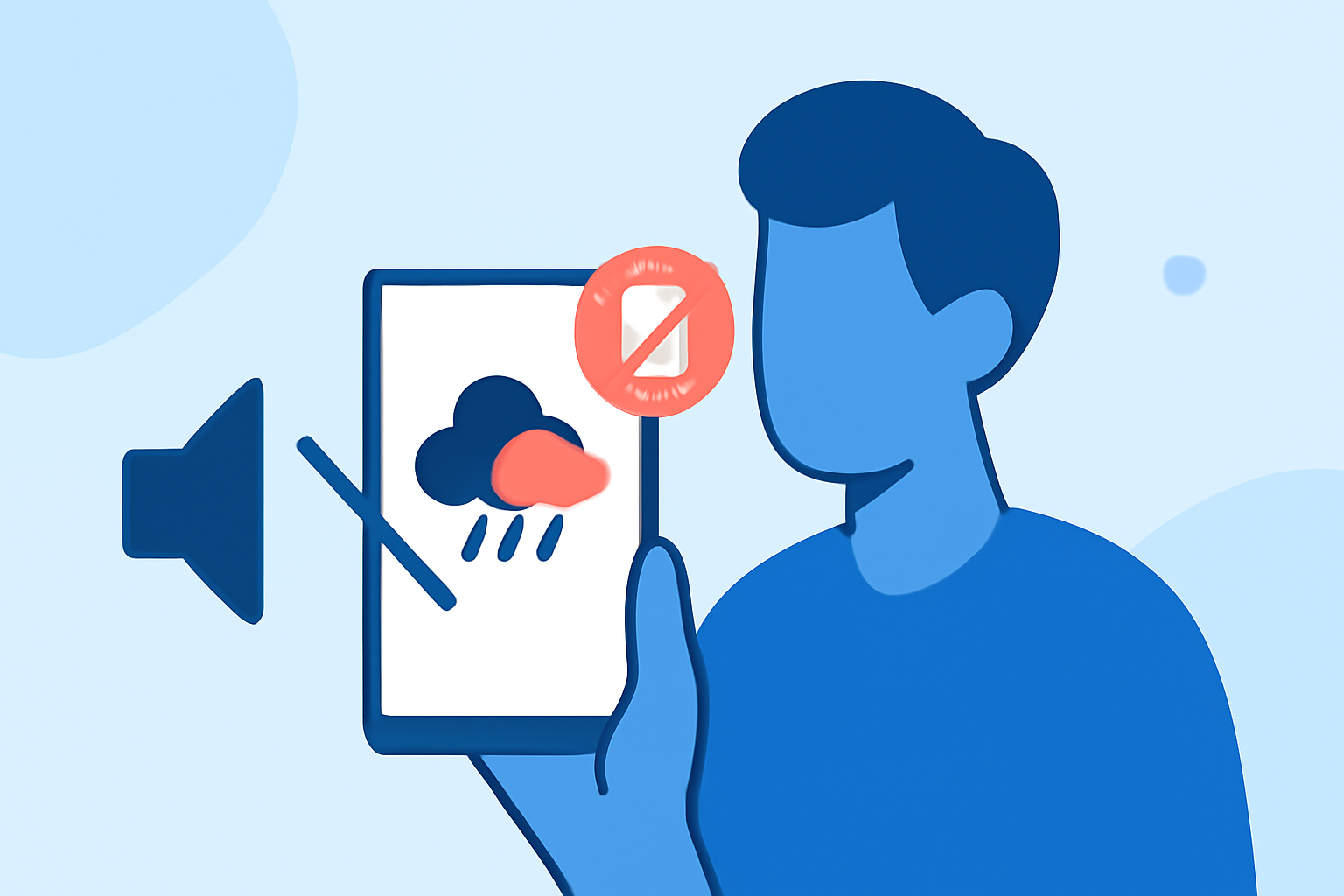
Managing weather notifications is crucial for staying informed about severe weather events. However, silencing or pausing these alerts can lead to missed warnings if not done carefully. This article explores common mistakes to avoid when managing weather notifications.
What Are Weather Notifications?
Weather notifications are alerts issued by authorities to inform the public about impending hazardous weather conditions. These alerts can be in the form of watches, warnings, or advisories, each indicating the severity and immediacy of the threat. Understanding these distinctions is vital for appropriate response.
Why Do People Silence Weather Alerts?
Continuous weather alerts can be disruptive, especially during nighttime or when multiple alerts occur in a short period. To mitigate this, individuals may choose to silence or pause these notifications. However, this practice carries risks if not managed properly.
Common Mistakes to Avoid When Silencing Weather Notifications
1. Silencing Alerts Without Understanding the Severity
Before silencing alerts, it's essential to comprehend the severity of the weather event. For instance, a 'watch' indicates that conditions are favorable for severe weather, while a 'warning' signifies that severe weather is imminent or occurring. Silencing warnings can lead to unpreparedness during critical situations. (allstate.com)
2. Relying Solely on One Source for Weather Information
Depending on a single source for weather updates can be risky. It's advisable to use multiple channels, such as local news, official weather services, and reliable weather apps, to receive comprehensive information.
3. Not Updating Alert Settings Regularly
Weather patterns and alert systems can change. Regularly reviewing and updating your alert settings ensures that you receive the most relevant and timely information.
4. Ignoring Location-Based Alerts
Location-based alerts are tailored to your specific area, providing the most accurate information. Disabling these alerts can result in missing critical information pertinent to your location. (civicplus.help)
5. Failing to Test Alert Systems
Periodically testing your alert systems ensures they function correctly when needed. Neglecting this can lead to false confidence in the system's reliability.
Best Practices for Managing Weather Notifications
-
Stay Informed: Regularly monitor weather updates from multiple reliable sources.
-
Understand Alert Levels: Familiarize yourself with the meanings of different weather alerts to respond appropriately.
-
Customize Alert Settings: Adjust your alert preferences to receive notifications that are most relevant to you.
-
Test Systems Periodically: Ensure that your alert systems are functioning correctly through regular tests.
Conclusion
While silencing weather notifications can reduce disturbances, it's crucial to do so with caution. By understanding the severity of alerts, utilizing multiple information sources, and regularly updating and testing your alert settings, you can stay informed and prepared during severe weather events.
Highlights:
- Storm Anxiety: Concerns About Receiving Storm Warnings
- Winter Weather Safety
- Winter Weather Safety