
Avoiding Common Mistakes When Snoozing Weather Alerts During Pollen Season
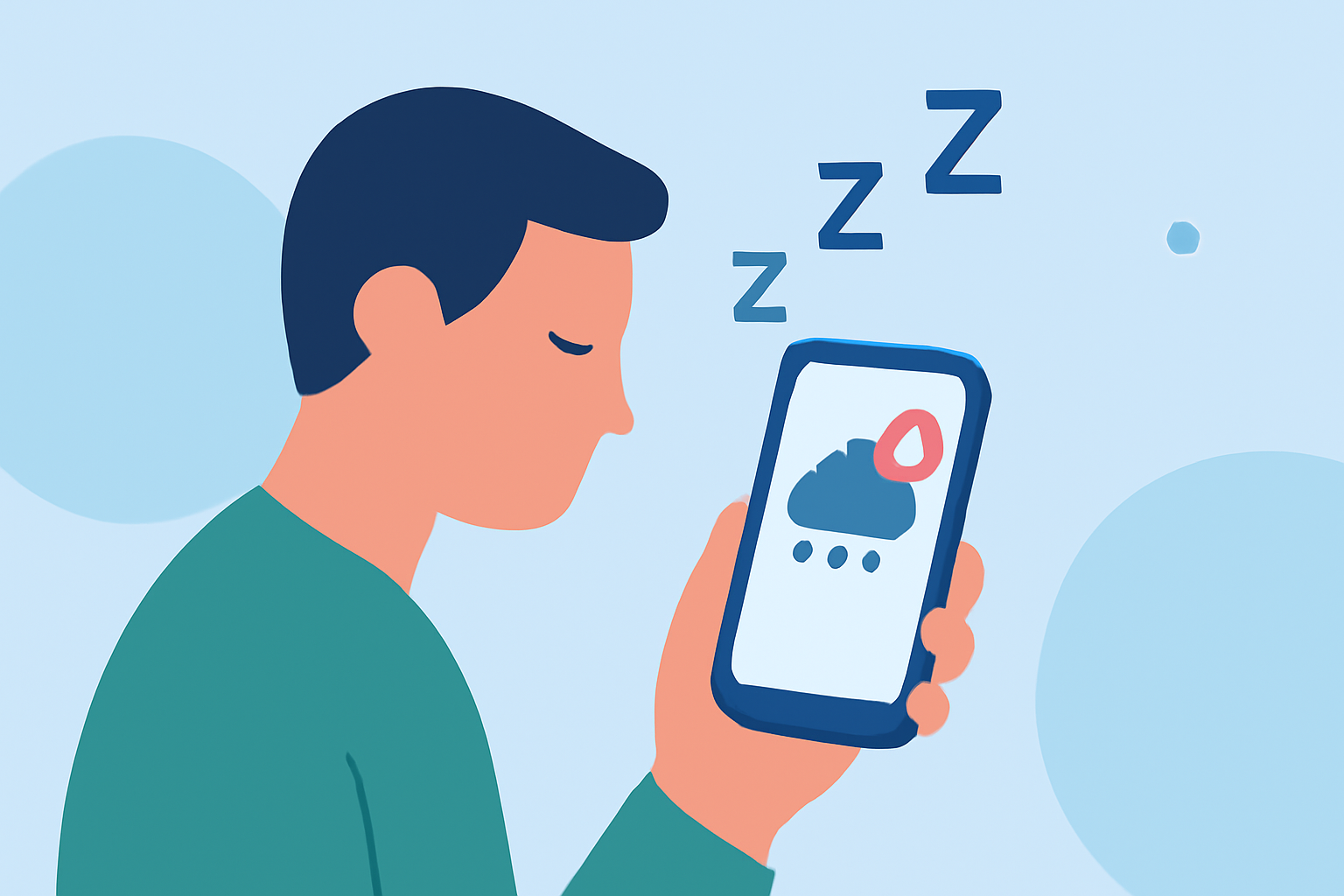
During pollen season, managing weather alerts is crucial to minimize allergy symptoms and stay informed about changing conditions. However, snoozing these alerts can lead to missed opportunities for timely action. Here are common mistakes to avoid:
1. Ignoring High Pollen Count Alerts
Snoozing alerts about high pollen counts can result in prolonged exposure to allergens, worsening symptoms. Pollen levels typically peak in the early morning, between 5 a.m. and 10 a.m., and can rise again in the early afternoon. By staying informed, you can plan outdoor activities during times when pollen levels are lower. (zyrtec.com)
2. Overlooking Weather Conditions That Affect Pollen Levels
Certain weather conditions, such as dry, windy days, can increase pollen levels, while rain can help reduce them. Snoozing alerts that provide updates on these conditions may lead to unexpected exposure. For instance, exercising outdoors during or after rain can be beneficial, as rain helps wash pollen out of the air. (bannerhealth.com)
3. Failing to Adjust Indoor Environments
Snoozing alerts about high pollen counts can result in keeping windows open, allowing pollen to enter your home. It's advisable to keep windows and doors closed during high pollen periods and use air conditioning with clean filters to maintain indoor air quality. (instituteofliving.org)
4. Neglecting Personal Protective Measures
Snoozing alerts may lead to forgetting to take personal protective measures, such as wearing a pollen mask during outdoor activities. Wearing a pollen or dust mask while mowing the lawn can help reduce exposure. (instituteofliving.org)
5. Not Planning Outdoor Activities Wisely
Snoozing alerts can result in scheduling outdoor activities during peak pollen times. It's best to plan outdoor activities during times when pollen levels are lower, typically before dawn and in the late afternoon to early evening. (zyrtec.com)
6. Overlooking the Importance of Timely Medication
Snoozing alerts may lead to delaying or forgetting to take allergy medications. It's important to take medications as prescribed, even if you don't feel symptoms, to prevent them from worsening. (health.clevelandclinic.org)
7. Not Utilizing Technology to Stay Informed
Snoozing alerts can prevent you from receiving timely updates. Utilizing weather apps and pollen forecasts can help you stay informed about pollen levels and weather conditions, allowing you to make proactive decisions. (zyrtec.com)
8. Disregarding Local Pollen Forecasts
Snoozing alerts can lead to missing local pollen forecasts, which are essential for understanding specific pollen levels in your area. Regularly checking local pollen forecasts can help you plan your activities accordingly. (pollen.com)
9. Not Taking Advantage of Rainy Days
Snoozing alerts about upcoming rain can result in missing opportunities to exercise outdoors when pollen levels are lower. Rain helps wash pollen out of the air, providing temporary relief for allergy sufferers. (bannerhealth.com)
10. Failing to Educate Yourself About Pollen Seasons
Snoozing alerts can lead to a lack of awareness about the timing and duration of pollen seasons in your area. Understanding when different types of pollen are prevalent can help you prepare and take preventive measures in advance. (health.clevelandclinic.org)
By staying vigilant and responsive to weather alerts during pollen season, you can effectively manage your exposure to allergens and reduce the impact of allergy symptoms.
Highlights:
- Does the Weather Really Affect My Allergy Forecast? | Pollen.com, Published on Tuesday, February 27
- How to Read a Pollen Forecast: A Complete Guide to Understanding Pollen Counts | Pollen.day, Published on Sunday, April 19
- Pollen Count & How It Changes Throughout A Day | ZYRTEC®