
Avoiding Common Mistakes with Doppler Shear Maps During Outdoor Events
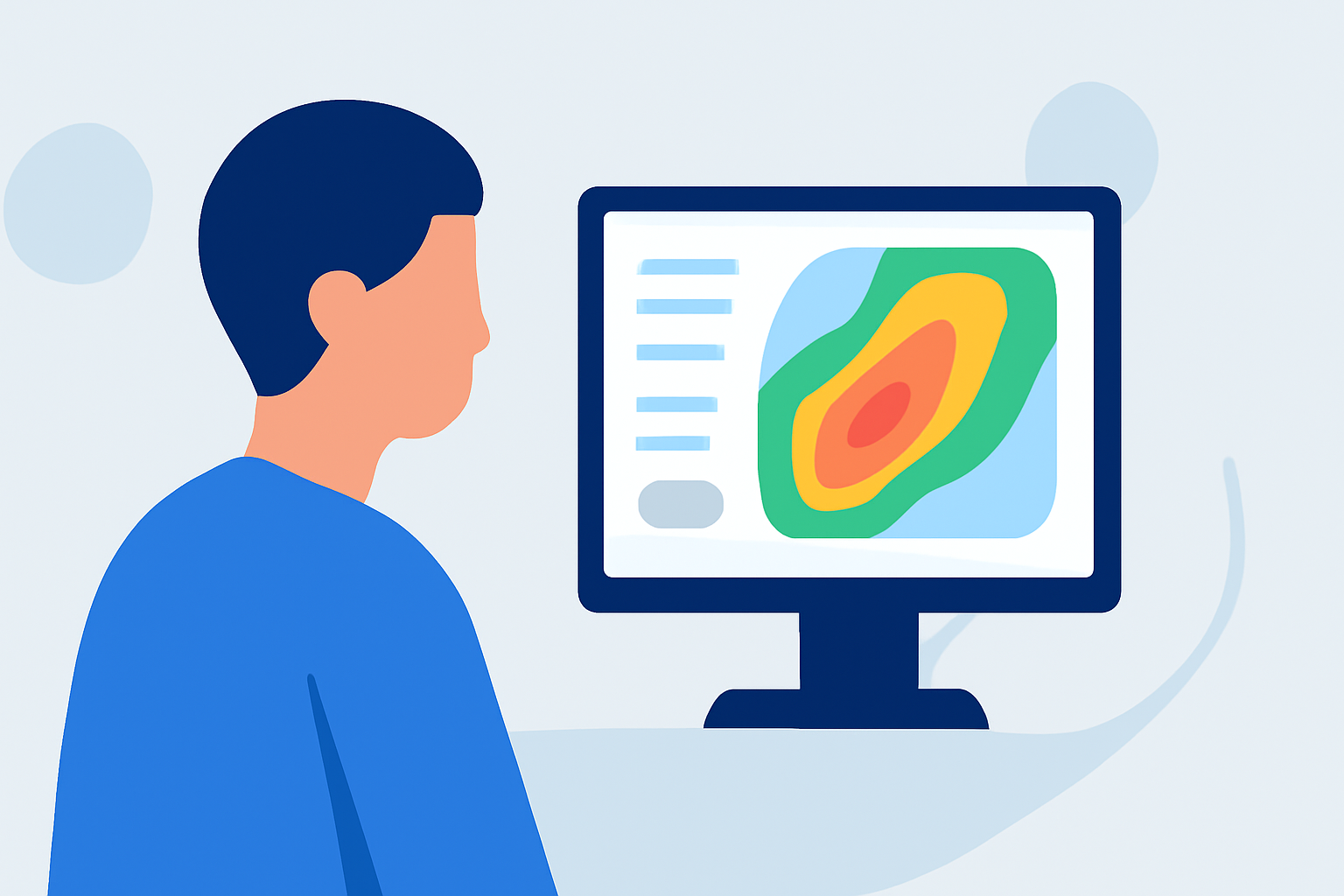
Doppler shear maps are invaluable tools for assessing wind shear—a rapid change in wind speed or direction over a short distance—which can pose significant risks during outdoor events. Proper interpretation and application of these maps are crucial for ensuring safety and event success.
Understanding Doppler Shear Maps
Doppler shear maps utilize Doppler radar data to visualize wind patterns, highlighting areas where wind shear is present. This information is essential for predicting severe weather phenomena like tornadoes and microbursts, which can impact outdoor events.
Common Mistakes to Avoid
- Overlooking Local Topography
Failing to consider local terrain features can lead to misinterpretation of wind patterns. Mountains, valleys, and bodies of water can significantly influence wind behavior, making it essential to integrate local geographical data when analyzing shear maps.
- Ignoring Temporal Variations
Wind conditions can change rapidly. Relying solely on static shear maps without considering real-time data can result in outdated assessments. Regular updates and continuous monitoring are necessary for accurate decision-making.
- Misinterpreting Data Resolution
Doppler shear maps have varying levels of spatial and temporal resolution. Assuming uniform accuracy across the map can lead to errors. Understanding the limitations of the data is crucial for proper interpretation.
- Neglecting Environmental Factors
Environmental conditions such as temperature, humidity, and atmospheric pressure can affect wind patterns. Disregarding these factors when analyzing shear maps can lead to incomplete assessments.
- Relying Solely on Technology
While Doppler shear maps are powerful tools, they should not replace human expertise. Combining technological data with professional judgment ensures a more comprehensive understanding of potential risks.
Best Practices for Utilizing Doppler Shear Maps
-
Integrate Multiple Data Sources: Combine shear map data with local weather forecasts, historical weather patterns, and real-time observations to enhance accuracy.
-
Regularly Update Assessments: Wind conditions can evolve quickly; continuous monitoring and timely updates are essential for effective planning.
-
Collaborate with Meteorological Experts: Engage with weather professionals to interpret data accurately and make informed decisions.
-
Educate Event Staff: Ensure that all personnel understand how to interpret and respond to shear map data appropriately.
-
Develop Contingency Plans: Prepare for sudden changes in weather by having backup plans and safety protocols in place.
Clime's Role in Enhancing Outdoor Event Safety
Clime offers advanced weather monitoring solutions that provide real-time data and predictive analytics, enabling event organizers to make informed decisions. By integrating Clime's tools, you can access accurate and timely information, enhancing safety and operational efficiency during outdoor events.
By understanding and addressing these common mistakes, event organizers can leverage Doppler shear maps more effectively, ensuring safer and more successful outdoor events.
Highlights:
- JetStream Max: Anomalous Propagation | National Oceanic and Atmospheric Administration
- Azimuthal Shear - Warning Decision Training Division (WDTD) - Virtual Lab