
Avoiding Common Mistakes with Freeze Alerts During Workouts
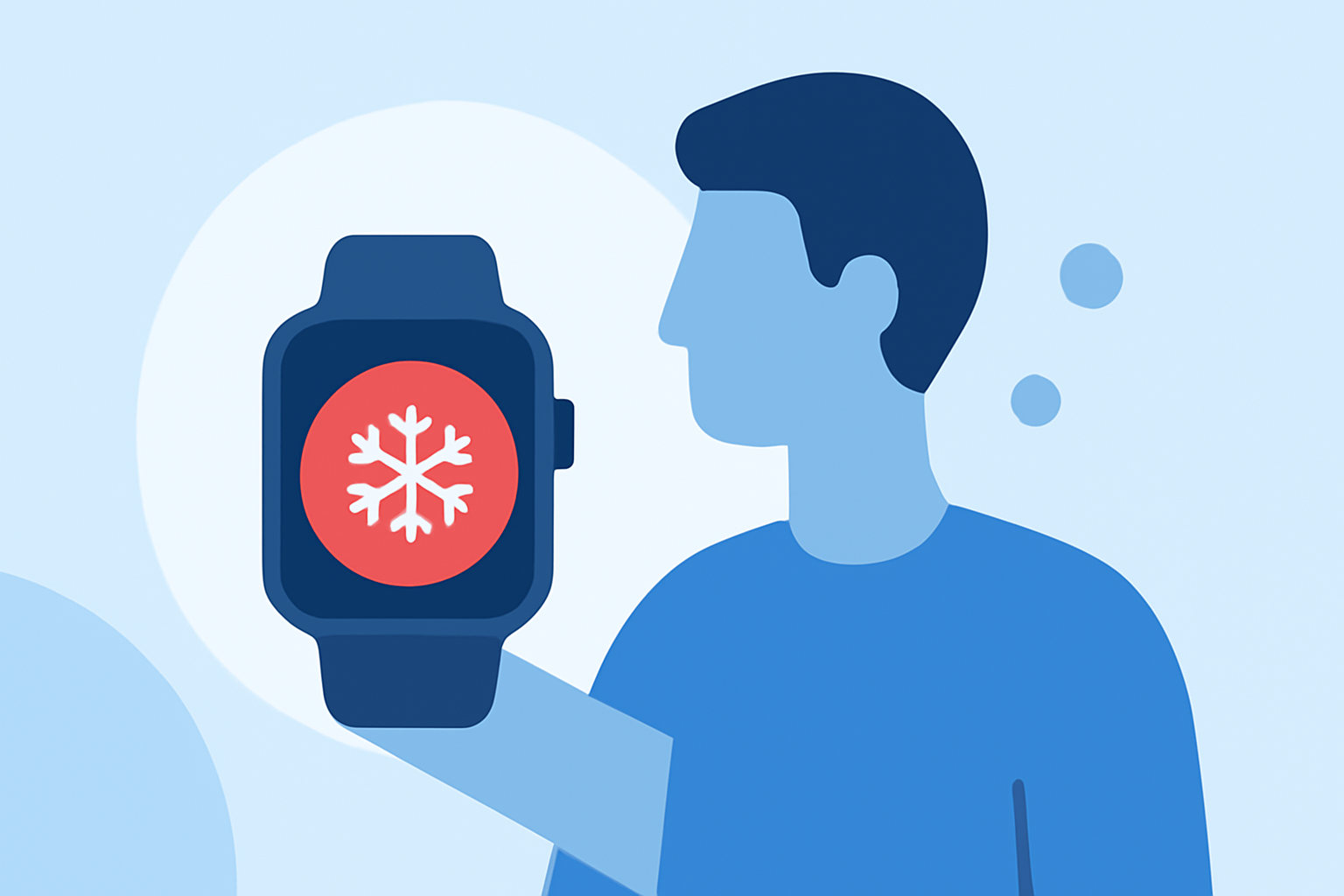
Freeze alerts are essential tools for monitoring environmental conditions during outdoor workouts, especially in colder climates. They provide real-time notifications about temperature drops, helping athletes make informed decisions to ensure safety and performance. However, improper use or neglect of these alerts can lead to adverse outcomes. This article explores common mistakes to avoid when utilizing freeze alerts during workouts.
What Are Freeze Alerts and Why Are They Important?
Freeze alerts are notifications that inform individuals when temperatures approach or fall below freezing levels. For outdoor enthusiasts and athletes, these alerts are crucial for preventing cold-related injuries, such as frostbite or hypothermia. By staying informed, individuals can adjust their activities, attire, and hydration strategies accordingly.
Common Mistakes to Avoid with Freeze Alerts
1. Ignoring Freeze Alerts
Disregarding freeze alerts can expose individuals to dangerous conditions. It's essential to pay attention to these notifications and modify workout plans as needed.
2. Misinterpreting Alert Thresholds
Not all freeze alerts are the same. Some may indicate a potential freeze (watch), while others confirm imminent freezing conditions (warning). Understanding these distinctions is vital for appropriate response.
3. Failing to Adjust Workout Plans
When a freeze alert is issued, it's important to adapt your workout. This might involve rescheduling, choosing an indoor alternative, or modifying the intensity and duration of the exercise.
4. Neglecting Proper Gear
Even with freeze alerts, some individuals might not dress appropriately for the cold. Layering, wearing moisture-wicking fabrics, and protecting extremities are essential to prevent cold-related injuries.
5. Overexerting in Cold Conditions
Cold temperatures can affect muscle performance and increase the risk of strains. It's crucial to listen to your body and avoid pushing beyond comfortable limits during workouts in cold weather.
Best Practices for Utilizing Freeze Alerts
-
Stay Informed: Regularly monitor weather forecasts and set up freeze alerts for your workout areas.
-
Understand Alert Levels: Familiarize yourself with the different types of freeze alerts and their implications.
-
Plan Accordingly: Have contingency plans for workouts during adverse weather conditions.
-
Dress Appropriately: Ensure you have suitable clothing and gear for cold conditions.
-
Listen to Your Body: Be mindful of how your body responds to cold and adjust your activities to maintain safety.
How Clime Can Enhance Your Workout Safety
Clime offers advanced weather monitoring solutions that provide real-time freeze alerts tailored to your specific workout locations. By integrating Clime's services, you can receive timely notifications, allowing you to make informed decisions about your training sessions. This proactive approach helps in preventing cold-related injuries and optimizing performance.
Conclusion
Freeze alerts are invaluable tools for ensuring safety during outdoor workouts in cold conditions. By understanding and effectively utilizing these alerts, athletes can prevent common mistakes and enhance their training experience. Incorporating Clime's weather monitoring solutions can further support your commitment to safety and performance excellence.