
Avoiding Common Mistakes with Pollen Alert Subscriptions
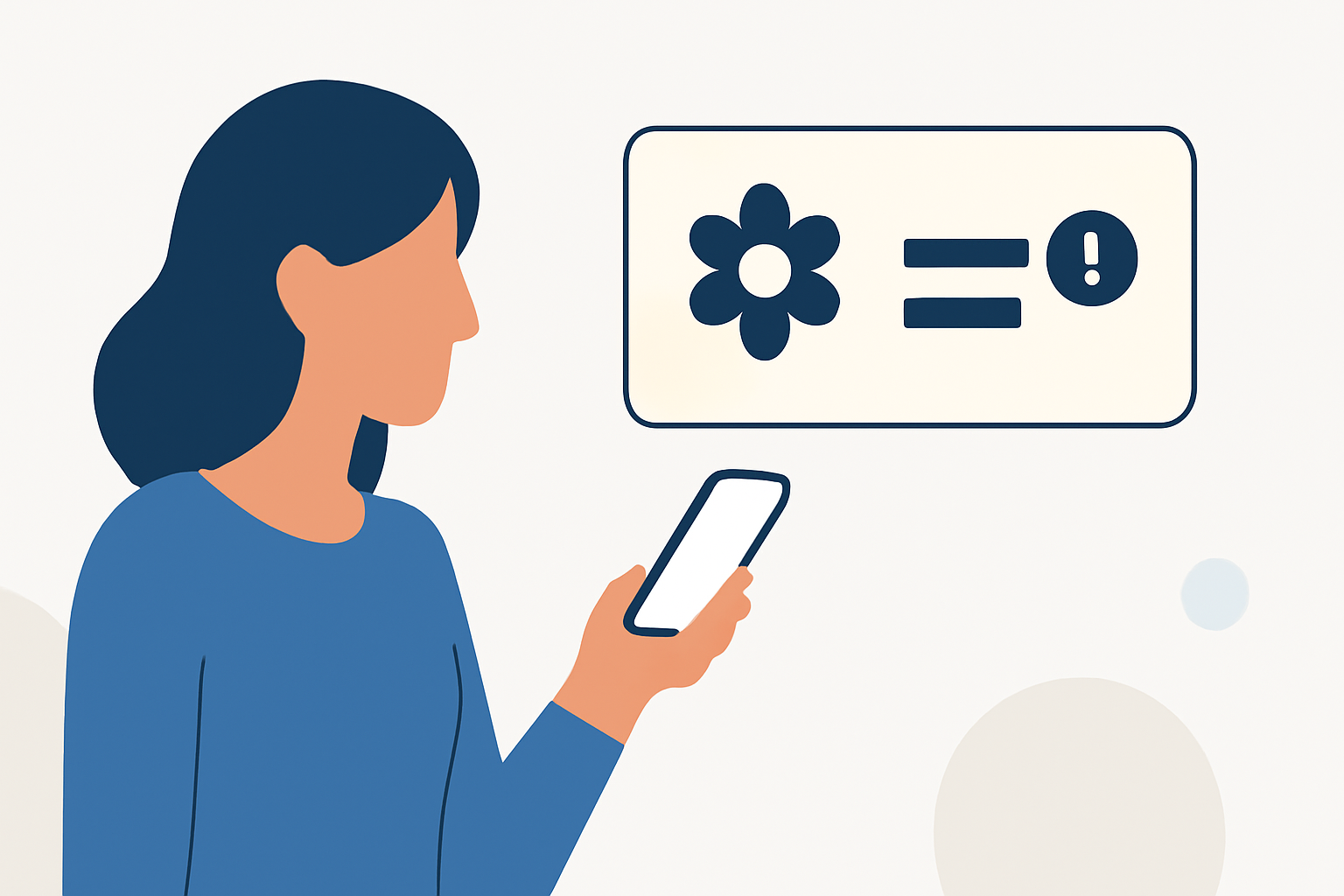
Pollen season can be a challenging time for many, with allergy symptoms affecting daily life. Utilizing pollen alert subscriptions can be an effective strategy to stay informed and manage exposure. However, certain pitfalls can diminish their effectiveness. Here's how to avoid common mistakes and make the most of your pollen alert services.
1. Are You Receiving Timely and Accurate Alerts?
Ensure your alert settings are correctly configured. If you're not receiving notifications, it could be due to misconfigured options or system settings. Double-check your alert preferences to confirm that the selected pollen types and thresholds align with your needs. Additionally, verify that notifications are enabled in your device's system settings. If issues persist, consider reaching out to the service provider for assistance. (alert-pollen.com)
2. Are You Misinterpreting Pollen Data?
Understanding the difference between pollen counts and forecasts is crucial. Pollen counts measure the amount of pollen present in the air at a specific time, while forecasts predict future pollen levels based on weather patterns. Relying solely on counts without considering forecasts can lead to unexpected exposure. For instance, light rain can cause pollen grains to swell and fracture, releasing allergenic proteins into the air. Therefore, it's essential to monitor both counts and forecasts to anticipate and mitigate exposure. (takeonepiece.com)
3. Are You Overlooking Local Pollen Variations?
Pollen levels can vary significantly based on location and time of day. For example, pollen counts are typically highest between 5 a.m. and 10 a.m. Staying indoors during these peak times can reduce exposure. Additionally, pollen levels can fluctuate due to local weather conditions, such as wind and humidity. Therefore, it's beneficial to use a pollen alert service that provides localized and timely information tailored to your area. (pollen.com)
4. Are You Relying Solely on Alerts Without Additional Precautions?
While pollen alerts are valuable, they should be part of a comprehensive strategy to manage allergies. In addition to staying informed, consider keeping windows closed during high pollen days, using air purifiers, and showering after being outdoors to remove pollen from your skin and hair. These proactive measures can further reduce exposure and alleviate symptoms. (health.harvard.edu)
5. Are You Neglecting to Update Your Alert Preferences?
As pollen seasons can vary year to year, it's important to review and adjust your alert settings regularly. Ensure that your location, preferred pollen types, and notification thresholds are current. This practice ensures that the alerts you receive are relevant and timely, enhancing their effectiveness in managing your allergies. (pollen.com)
By being aware of these common mistakes and taking proactive steps, you can enhance the effectiveness of your pollen alert subscriptions and better manage your allergy symptoms during pollen season.