
Avoiding Common Mistakes with Wireless Emergency Alerts for Gardeners
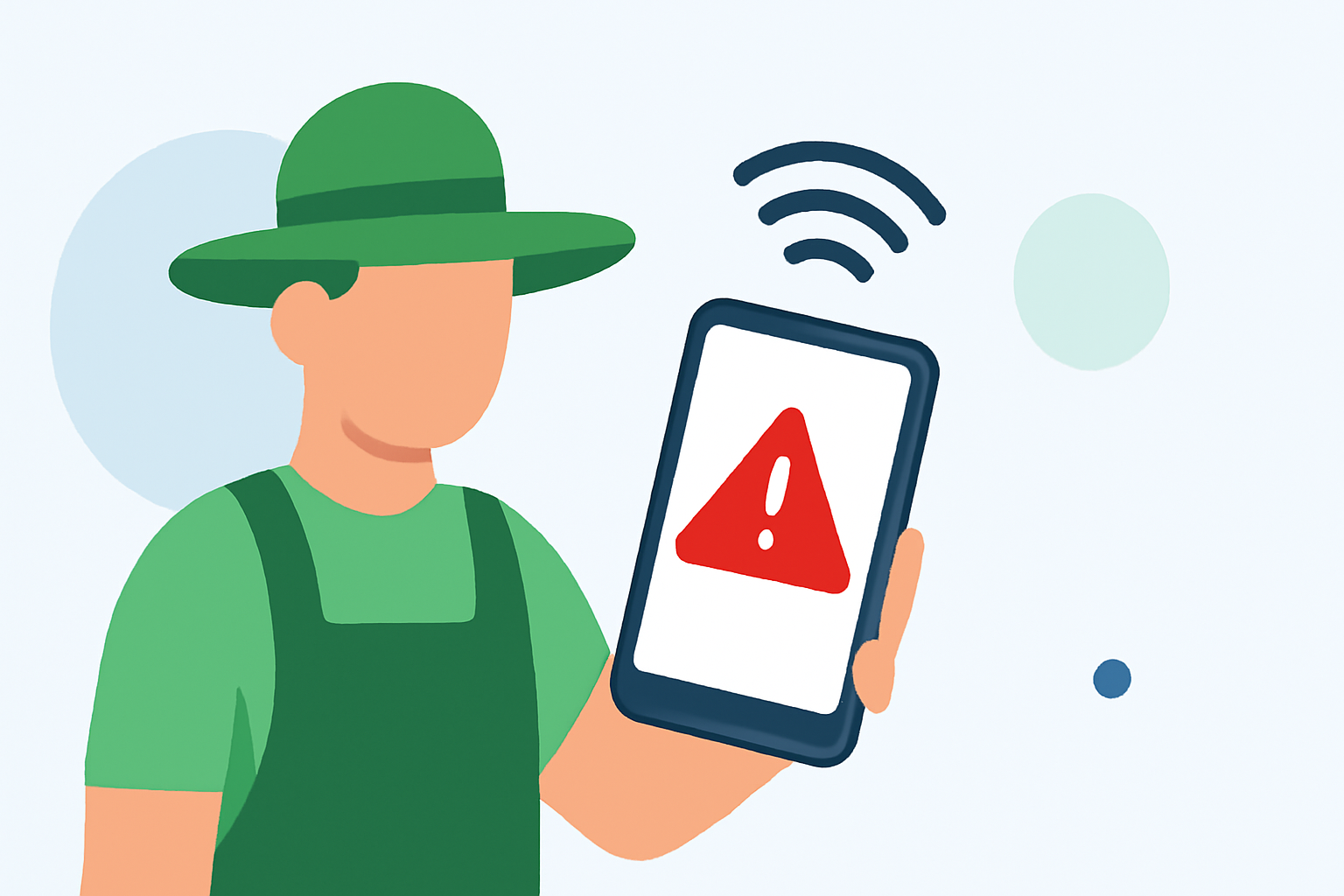
Wireless Emergency Alerts (WEAs) are critical notifications sent directly to your mobile device during emergencies, such as severe weather events, AMBER Alerts, and national emergencies. For gardeners, staying informed through these alerts is essential to protect your plants and property. However, there are common mistakes that can hinder the effectiveness of these alerts.
1. Not Ensuring Your Device is WEA-Capable
Not all mobile devices are equipped to receive WEAs. To receive these alerts, your device must be WEA-capable and have the feature enabled. Check your device settings to confirm that emergency alerts are turned on. If your device is outdated or lacks this capability, consider upgrading to a compatible model.
2. Disabling Location Services
WEAs rely on your device's location services to deliver alerts relevant to your area. Disabling location services can prevent your device from receiving these critical notifications. Ensure that location services are enabled to receive alerts pertinent to your location.
3. Ignoring Alert Settings
Devices allow users to customize alert settings, including the types of alerts received. Accidentally disabling certain alerts can result in missing important notifications. Regularly review and adjust your alert settings to ensure you receive all relevant messages.
4. Assuming Alerts Are Always Accurate
While WEAs are designed to provide timely and accurate information, they may not always be perfectly precise. It's important to use your judgment and consult multiple sources when making decisions based on these alerts.
5. Not Taking Alerts Seriously
Some individuals may become desensitized to frequent alerts and begin to ignore them. However, each alert is issued for a reason and should be taken seriously. Always assess the situation and take appropriate action to protect your garden and property.
6. Relying Solely on WEAs for Information
While WEAs are a valuable source of information, they should not be your only source. Stay informed by monitoring local news, weather services, and other reliable sources to get a comprehensive understanding of potential threats.
7. Not Updating Your Device
Regular updates to your device's operating system can improve the functionality and reliability of receiving WEAs. Ensure your device is up-to-date to benefit from the latest features and security enhancements.
8. Overlooking Device-Specific Limitations
Some devices may have limitations in receiving or displaying WEAs, especially older models or those with outdated software. Be aware of your device's capabilities and limitations to ensure you receive alerts as intended.
9. Not Educating Household Members
If you have family members or others in your household, ensure they are also aware of how to receive and respond to WEAs. This collective awareness can enhance the safety of your entire household and garden.
10. Failing to Act on Alerts Promptly
Receiving an alert is only the first step; taking timely action is crucial. Develop a plan for responding to different types of alerts to minimize potential damage to your garden and property.
By being aware of these common mistakes and taking proactive steps, you can ensure that you receive and effectively respond to Wireless Emergency Alerts, thereby protecting your garden and property.
Highlights:
- How Wireless Emergency Alerts Work: Types and Settings - LegalClarity, Published on Wednesday, May 13
- Wireless Emergency Alerts: How Geo-Fencing Works - LegalClarity, Published on Thursday, May 14
- Understanding Wireless Emergency Alerts (WEA)