
Avoiding Common Outdoor Painting Mistakes During Heat Waves
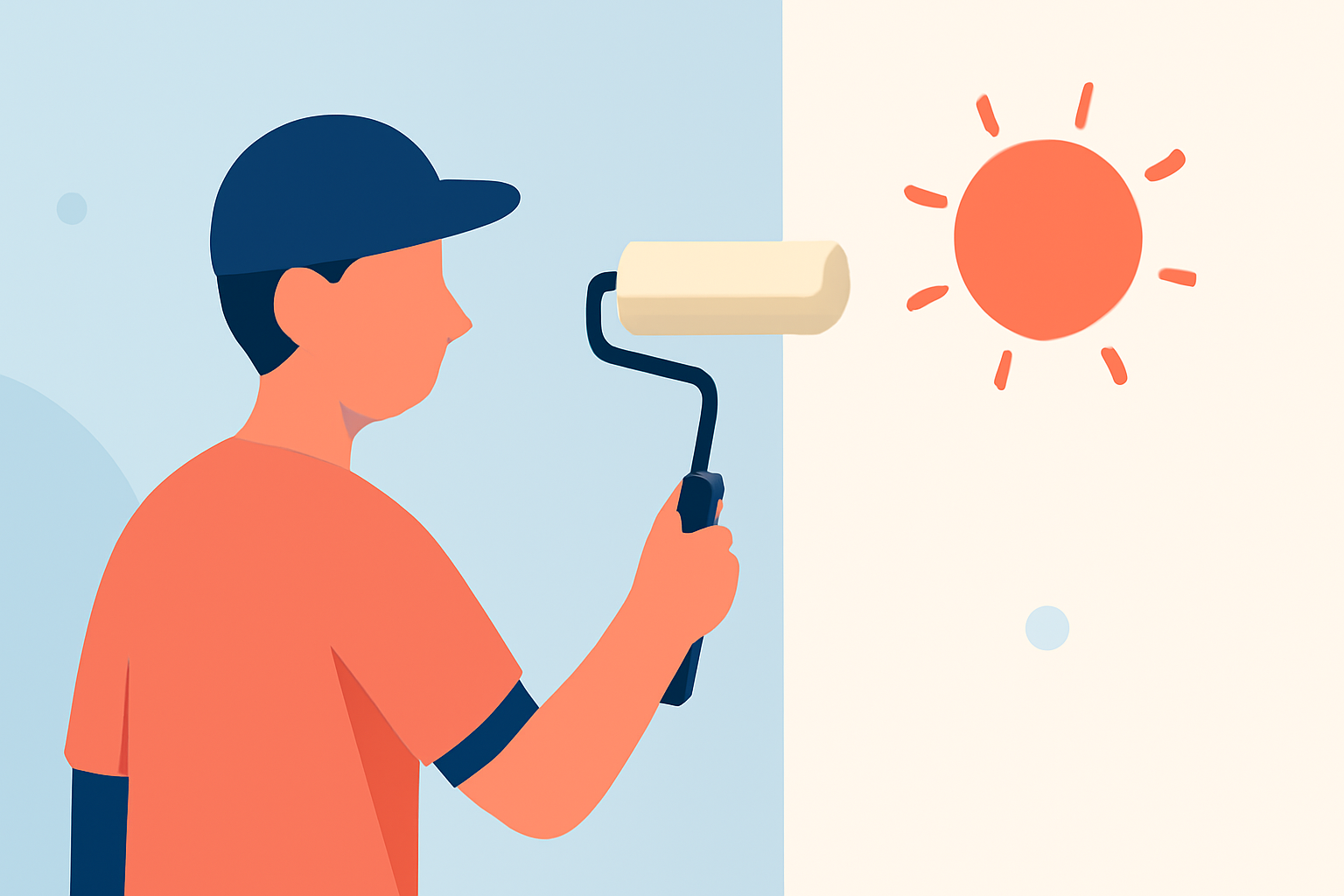
Painting outdoors during a heat wave presents unique challenges that can compromise the quality and longevity of your paint job. Understanding these challenges and taking proactive steps can help you achieve a durable and aesthetically pleasing finish.
1. Why Is Timing Crucial for Outdoor Painting in Heat Waves?
High temperatures can cause paint to dry too quickly, leading to issues like blistering, cracking, and peeling. To mitigate these problems, it's advisable to paint during cooler parts of the day. Early morning or late afternoon, when temperatures are lower, provide more favorable conditions for painting. Additionally, avoid painting in direct sunlight, as it can accelerate drying and cause uneven finishes. (sopainting.com)
2. How Does Temperature Affect Paint Application?
Extreme heat can lead to rapid solvent evaporation, preventing the paint from properly adhering to the surface. This can result in adhesion failure, where the paint doesn't bond effectively, leading to peeling or blistering. To ensure proper adhesion, aim to paint when temperatures are between 50°F and 85°F (10°C and 29°C). (sopainting.com)
3. What Are the Risks of Painting in Direct Sunlight?
Painting in direct sunlight can cause the paint to dry too quickly, leading to issues like lap marks, brush drag, and uneven coverage. To avoid these problems, it's best to paint on surfaces that are shaded or to paint during times when the sun is less intense. (rollcallpainting.com)
4. How Does Humidity Impact Outdoor Painting?
High humidity can slow down the drying process, leading to runs, sags, and an uneven finish. To achieve optimal results, aim for relative humidity levels between 40% and 70%. If humidity levels are above 85%, it's best to postpone painting. (cypaint.com)
5. What Are the Common Mistakes to Avoid When Painting Outdoors in Heat Waves?
-
Poor Surface Preparation: Failing to clean and prepare surfaces properly can lead to adhesion issues and a less durable finish. Ensure surfaces are clean, dry, and free from debris before painting. (livingetc.com)
-
Using the Wrong Paint: Not all paints are suitable for high temperatures. Choose paints specifically formulated for exterior use and capable of withstanding heat. (hirshfields.com)
-
Ignoring Weather Conditions: Painting during extreme heat or high humidity can compromise the paint's performance. Always check the weather forecast and avoid painting during unfavorable conditions. (cypaint.com)
6. How Can Clime Assist in Your Outdoor Painting Projects?
Clime offers real-time weather updates and forecasts, helping you plan your painting projects during optimal conditions. By providing accurate and timely weather information, Clime ensures you can avoid painting during adverse weather, leading to better results and a longer-lasting finish.
By understanding the challenges posed by heat waves and taking the necessary precautions, you can achieve a successful outdoor painting project that stands the test of time.