
Avoiding Common Hunting Mistakes During Heat Waves
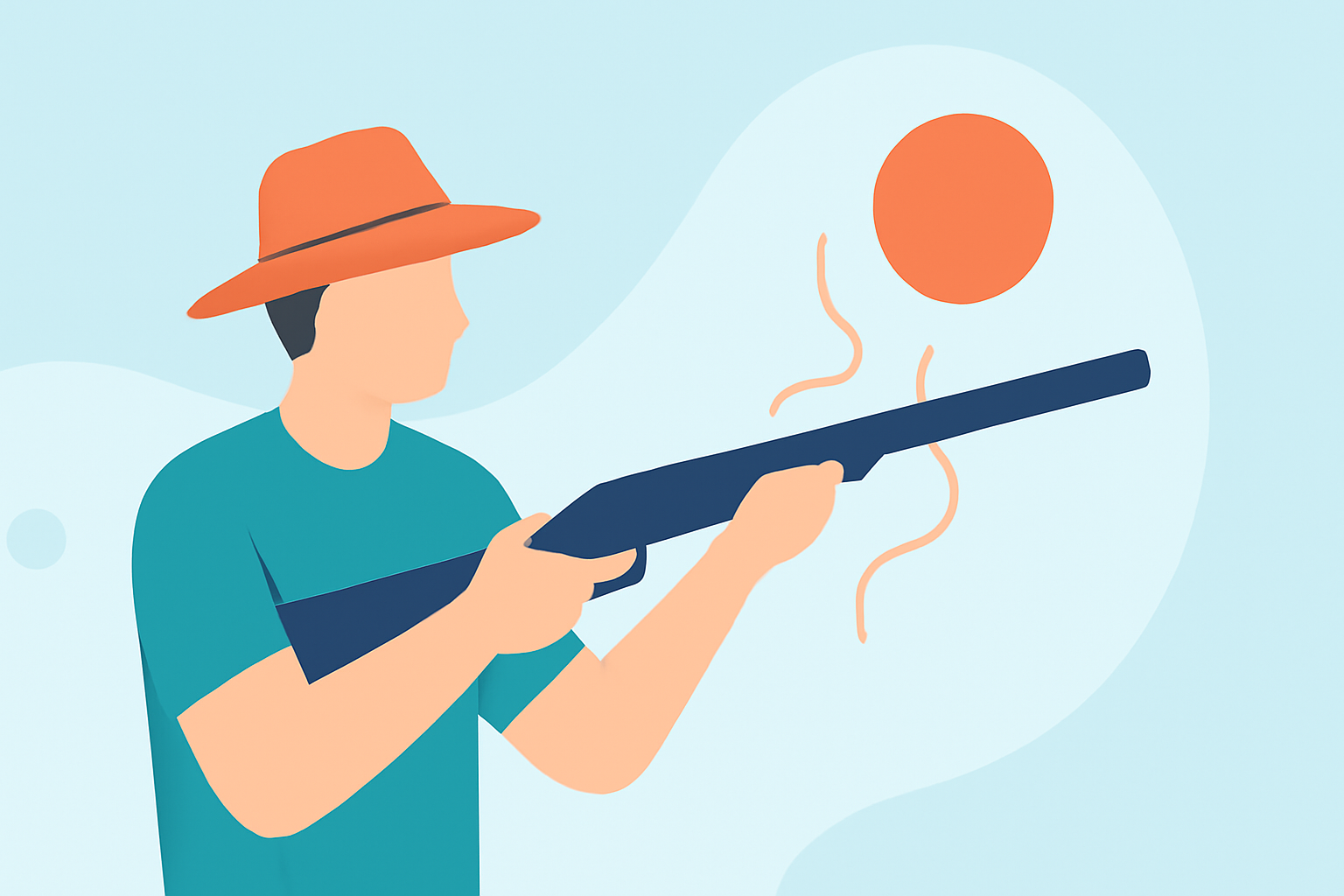
Hunting during heat waves presents unique challenges that can impact both safety and success. By recognizing common mistakes and adopting effective strategies, hunters can navigate these conditions more effectively.
1. What Are the Risks of Hunting in Extreme Heat?
Extreme heat can lead to dehydration, heat exhaustion, and heat stroke, all of which pose serious health risks. Additionally, high temperatures can alter animal behavior, making them less active during peak heat and more challenging to locate.
2. How Can I Prevent Dehydration While Hunting?
Maintaining hydration is crucial. Drink water consistently throughout the day, even if you don't feel thirsty. Avoid beverages with caffeine or alcohol, as they can contribute to dehydration. Carrying a hydration pack or water bottles ensures you have access to fluids during your hunt. (huntwise.com)
3. What Should I Wear to Stay Cool and Safe?
Opt for lightweight, breathable clothing that allows sweat to evaporate and air to circulate. Light-colored, loose-fitting attire can help reflect sunlight and keep you cooler. A wide-brimmed hat and sunglasses provide additional protection from the sun. (pa.gov)
4. How Can I Manage Scent in Hot Weather?
Sweat can increase your scent profile, alerting animals to your presence. Use scent-eliminating soaps and sprays to reduce odors. Wear clean, scent-free clothing and consider using cover scents that blend with the environment. (outdoorhub.com)
5. When Is the Best Time to Hunt During a Heat Wave?
Animals are more active during cooler parts of the day. Hunt early in the morning or late in the evening to increase your chances of encountering game. Midday heat often drives animals to seek shade, making them less visible. (nwtf.org)
6. How Can I Choose the Right Hunting Location in Hot Conditions?
Seek areas with natural shade, such as dense forests or valleys, where animals are likely to seek refuge from the sun. Proximity to water sources can also attract wildlife, as they come to drink during the heat. (americanhunter.org)
7. What Are the Signs of Heat-Related Illnesses to Watch For?
Be aware of symptoms like dizziness, nausea, rapid heartbeat, and confusion, which can indicate heat exhaustion or heat stroke. If you experience these symptoms, seek shade, hydrate, and rest immediately. In severe cases, seek medical attention promptly. (pa.gov)
8. How Can I Adapt My Hunting Strategy During a Heat Wave?
Adjust your tactics by focusing on areas with cooler temperatures and abundant water sources. Use trail cameras to monitor animal movements and identify active times. Be patient and prepared to change your approach based on observed animal behavior. (spypoint.com)
By understanding and addressing these factors, hunters can enhance their safety and effectiveness during heat waves. Always prioritize personal well-being and adhere to local hunting regulations.
Highlights:
- Heat-Wave Turkeys - The National Wild Turkey Federation, Published on Wednesday, April 24
- Heat-Wave Strategies for Pre-Rut Bucks | An Official Journal Of The NRA, Published on Tuesday, September 24
- How to Hunt Big Bucks in Warm Weather | Spypoint United States., Published on Sunday, September 27