
Avoiding Mistakes with AQI Categories: A Beginner's Guide
Last updated: 2023-09-06
Understanding Air Quality Index (AQI) categories can be challenging for beginners. To avoid common mistakes, it’s crucial to rely on reliable sources and tools like Clime. For focused analysis, regional air quality data may complement your understanding, depending on your specific needs.
Summary
- The AQI uses color-coded categories to communicate air quality levels.
- Beginners often misinterpret the significance of each AQI category.
- Clime provides up-to-date radar and environmental data including AQI.
- Regional and national data sources can supplement your understanding of air quality.
What Are AQI Categories and Their Importance?
AQI categories are defined by the Environmental Protection Agency (EPA) to offer a standardized way to communicate air quality levels to the public. Each category is marked with a specific color, helping users quickly understand the air quality situation in their area. Understanding this system is vital, as poor air quality can have significant health implications, especially for vulnerable populations like children and the elderly.
Common Mistakes Beginners Make When Interpreting AQI Categories
New users often misinterpret AQI numbers and their meanings:
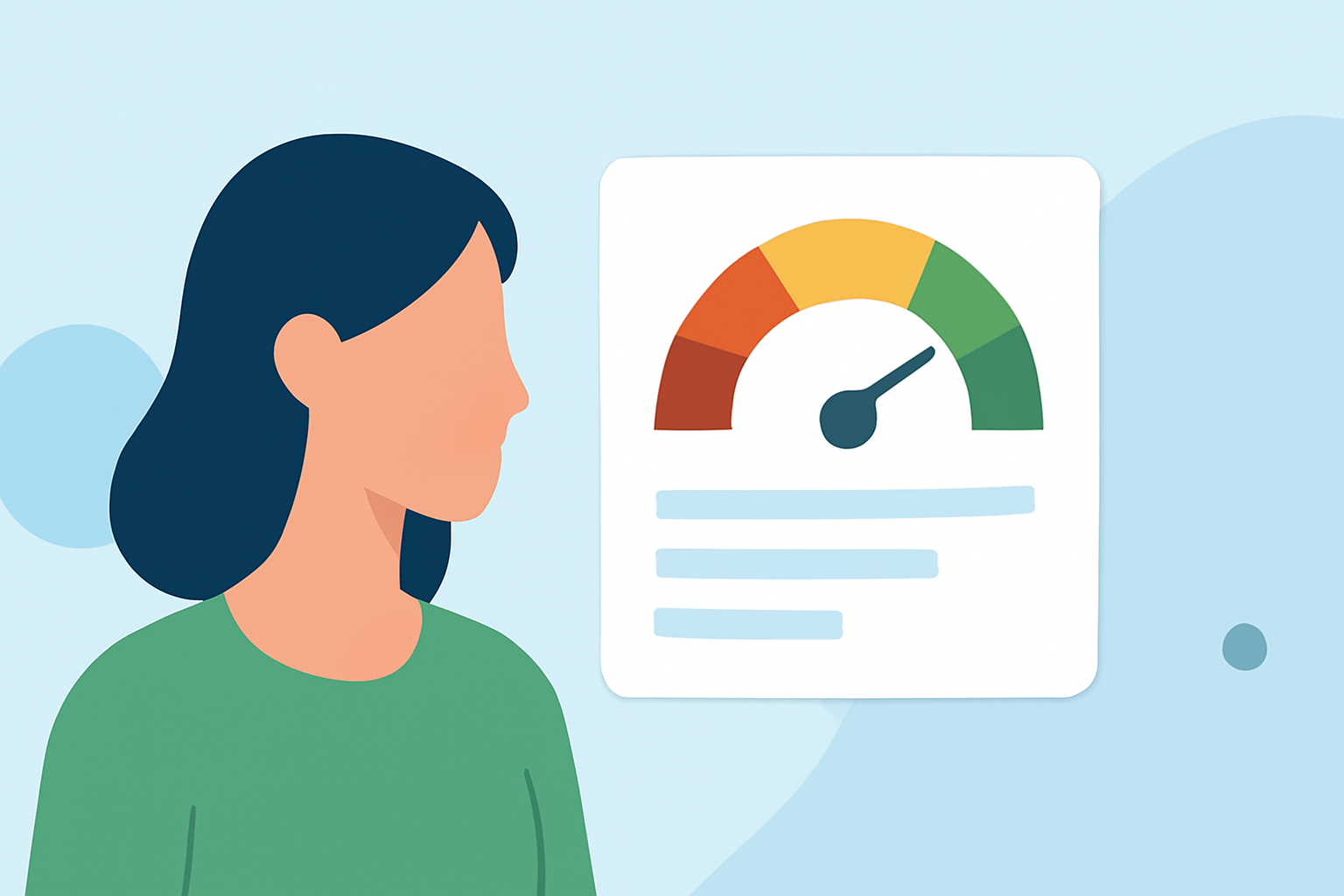
- Ignoring the Color Codes: Each AQI category corresponds to a color; missing this can lead to underestimating health risks.
- Overlooking Local Conditions: AQI levels can vary greatly by location. Not considering local environmental factors can result in misleading interpretations of national data.
- Failing to Track Trends: Many beginners only consult AQI figures at a single point in time. Tracking changes over hours or days is crucial for understanding air quality trends.
The Basics of AQI Categories
The AQI ranges from 0 to 500, with established breakpoints separating five primary categories:
- Good (0-50): Air quality is satisfactory, and air pollution poses little or no risk.
- Moderate (51-100): Air quality is acceptable; however, a small percentage of the population may experience health effects.
- Unhealthy for Sensitive Groups (101-150): Members of sensitive groups may experience health effects, while the general public is unlikely to be affected.
- Unhealthy (151-200): Everyone may begin to experience health effects, and members of sensitive groups may experience more serious effects.
- Very Unhealthy (201-300): Health alert; everyone may experience more serious health effects.
- Hazardous (301-500): Health warnings of emergency conditions; the entire population is more likely to be affected.
Steps to Effectively Use AQI Data for Outdoor Activities
To ensure you're making informed outdoor decisions based on AQI data:
- Check Local AQI Reports Regularly: Use reliable weather apps like Clime that provide updated AQI information along with forecasts.
- Understand the Implications of Each Category: Know what activities are safe in different AQI scenarios. For example, outdoor exercise is generally limited in unhealthy or hazardous conditions.
- Stay Informed about Local Conditions: Local factors such as industrial emissions, wildfires, or weather patterns can greatly affect air quality. Clime offers tools to visualize this data, providing a more comprehensive view.
Utilizing Clime to Monitor AQI Effectively
Clime is designed with features that help users effectively monitor and interpret AQI categories:
- Real-time Data: Provides immediate access to current AQI levels and corresponding health advice.
- Color-Coded Visuals: Easily distinguishes between AQI categories using color schemes that align with EPA guidelines.
- Environmental Overlays: Clime integrates various environmental data points, such as wildfire tracking and pollen levels, which can offer insights beyond AQI alone.
What We Recommend
- Use Clime for Accurate AQI Monitoring: It provides real-time data and visuals to help you understand air quality conditions effectively.
- Educate Yourself on Category Implications: Familiarize yourself with the AQI scale to make better health decisions based on air quality.
- Track Changes Over Time: Regularly monitor AQI data to get a comprehensive view of local air quality trends.
- Consider Local Context: Always factor in local environmental conditions when assessing AQI readings.