
Avoiding Common Mistakes with Mixed Precipitation Forecasts for Commuters
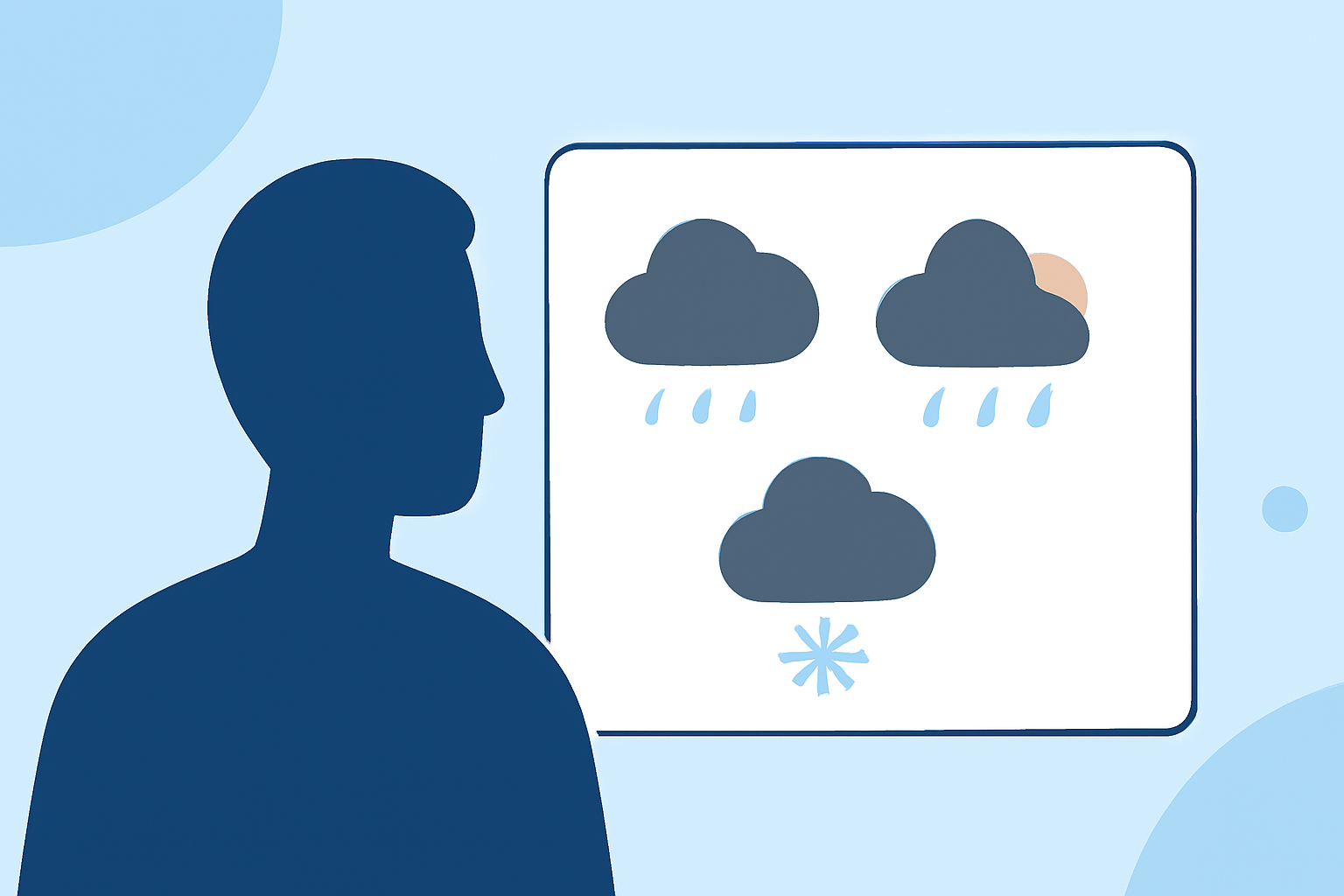
Commuting during winter months can be challenging, especially when forecasts predict mixed precipitation—combinations of snow, sleet, and freezing rain. Misunderstanding these forecasts can lead to unsafe travel decisions. Here's how to interpret mixed precipitation forecasts accurately and avoid common mistakes.
What Is Mixed Precipitation?
Mixed precipitation refers to weather events where different forms of frozen precipitation occur simultaneously or in quick succession. This can include snow, sleet, and freezing rain, each presenting unique challenges for commuters. (ecoflow.com)
Common Misinterpretations of Precipitation Percentages
A common mistake is misinterpreting the precipitation percentage in forecasts. For instance, a "40% chance of rain" does not mean it will rain for 40% of the time or that 40% of the area will experience rain. Instead, it indicates a 40% probability that measurable precipitation will occur at any given point in the forecast area. (govfacts.org)
Understanding Forecast Terminology
Weather forecasts often use terms like "wintry mix" or "mixed precipitation" to describe conditions involving snow, sleet, and freezing rain. It's crucial to understand these terms to prepare adequately. For example, a "wintry mix" can lead to hazardous driving conditions due to the accumulation of ice on roads and surfaces. (ecoflow.com)
Limitations of Forecast Models
Forecast models have limitations, especially when predicting localized weather events. They may not account for microclimates or sudden atmospheric changes, leading to discrepancies between forecasted and actual conditions. Therefore, it's essential to stay updated with the latest forecasts and exercise caution during uncertain weather conditions. (weatherandclimateexpert.com)
Tips for Commuters
-
Stay Informed: Regularly check updated forecasts from reliable sources to understand the latest weather conditions.
-
Plan Ahead: Allow extra time for your commute, as mixed precipitation can lead to slippery roads and reduced visibility.
-
Drive Cautiously: Reduce speed and increase following distance to account for potential ice and slippery surfaces.
-
Prepare Your Vehicle: Ensure your vehicle is equipped with appropriate tires and that your windshield wipers and defrosters are functioning correctly.
Conclusion
Accurate interpretation of mixed precipitation forecasts is vital for commuter safety during winter months. By understanding forecast terminology, recognizing the limitations of forecast models, and taking proactive safety measures, commuters can navigate winter weather conditions more effectively.
Highlights:
- What Is a Wintry Mix? Dangers, Safety & Prep Tips, Published on Monday, December 08