
Avoiding Common Mistakes When Using Weather Apps for Arthritis Management
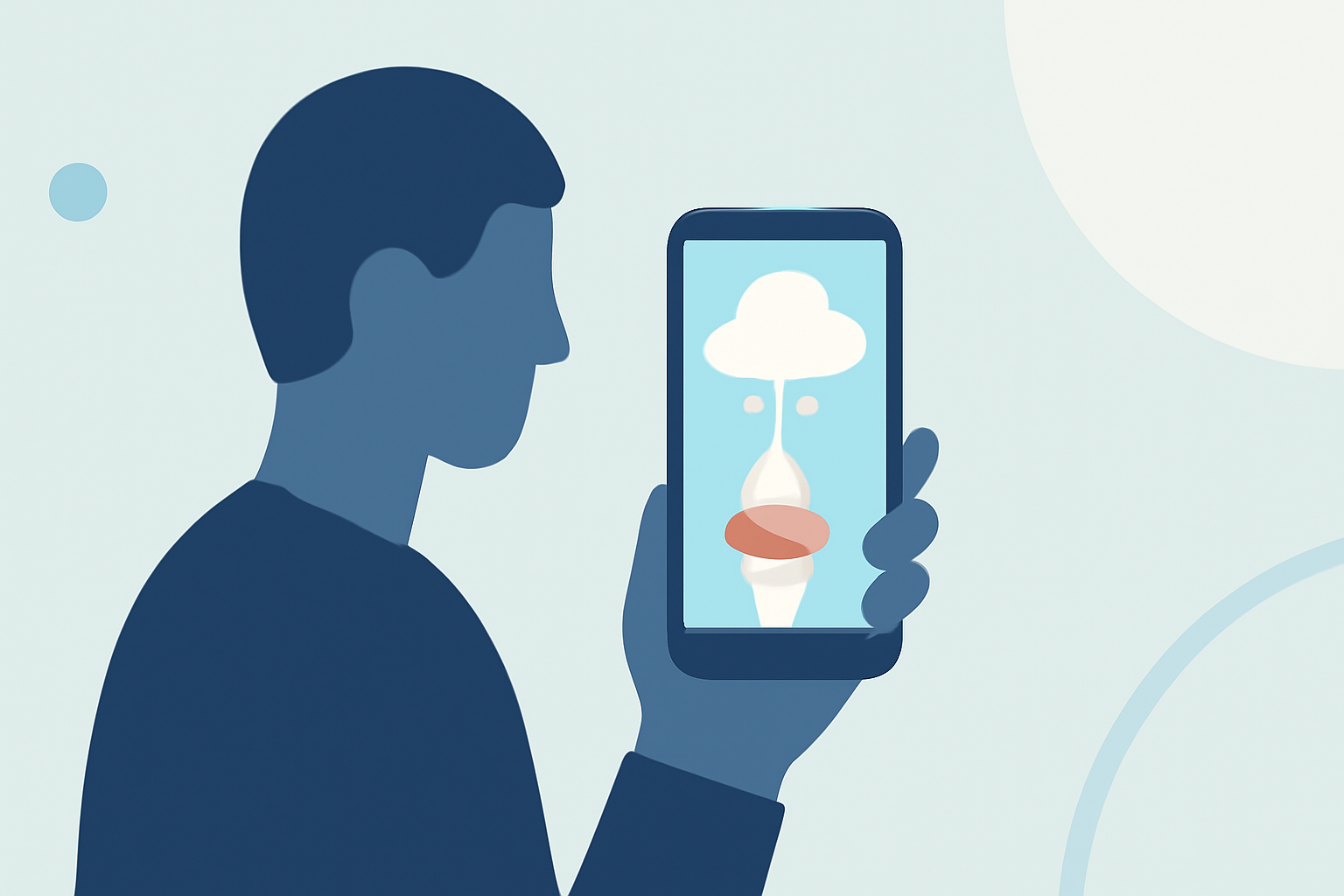
Managing arthritis symptoms can be challenging, especially when weather changes trigger flare-ups. Utilizing weather apps can provide valuable insights, but it's essential to use them correctly to avoid common mistakes.
1. Relying Solely on Generic Weather Apps
Many standard weather apps offer general forecasts but may not provide information on atmospheric conditions that specifically affect arthritis, such as barometric pressure changes. For instance, a typical weather app might forecast a sunny day without indicating a significant drop in barometric pressure, which could signal an impending flare-up.
2. Ignoring Specialized Health Forecasts
Some apps are designed to track how weather conditions impact specific health issues like arthritis. These specialized apps monitor factors such as barometric pressure, temperature, and humidity, providing tailored forecasts and alerts. By not utilizing these tools, individuals may miss critical information that could help in managing their symptoms.
3. Failing to Log Symptoms and Weather Data
Consistent tracking of symptoms alongside weather conditions can reveal patterns and triggers. Without logging this data, it becomes challenging to identify correlations between weather changes and arthritis flare-ups. Regularly recording symptoms and corresponding weather data enhances the effectiveness of weather-based health monitoring.
4. Overlooking Notifications and Alerts
Many specialized weather apps offer notifications about upcoming weather changes that may affect arthritis. Ignoring these alerts can lead to unpreparedness for potential flare-ups. Acting on these notifications allows for proactive management, such as adjusting activities or taking preventive measures.
5. Not Customizing App Settings
Default app settings may not align with individual needs. Customizing settings to focus on specific weather factors that influence arthritis can provide more relevant information. Tailoring app configurations ensures that the data received is pertinent and actionable.
6. Disregarding Data Privacy and Security
When using health-related apps, it's crucial to understand how personal data is handled. Some apps may collect sensitive health information. Ensuring that the app has robust privacy policies and data security measures protects personal health data from unauthorized access.
7. Neglecting Regular App Updates
App developers frequently release updates to improve functionality and accuracy. Neglecting to update apps can result in missing out on new features or critical information. Regular updates ensure that the app remains effective in monitoring and managing arthritis symptoms.
8. Relying on Apps Without Professional Medical Advice
While weather apps can provide valuable insights, they should not replace professional medical advice. It's essential to consult healthcare providers for personalized treatment plans and to interpret app data within the context of professional guidance.
Conclusion
Effectively using weather apps to manage arthritis involves selecting specialized tools, actively logging symptoms, customizing settings, and staying informed through notifications. By avoiding these common mistakes, individuals can enhance their ability to anticipate and manage arthritis flare-ups, leading to improved quality of life.