
Avoiding Poor Air Quality Mistakes While Sleeping with a Tablet
Last updated: 2023-09-10
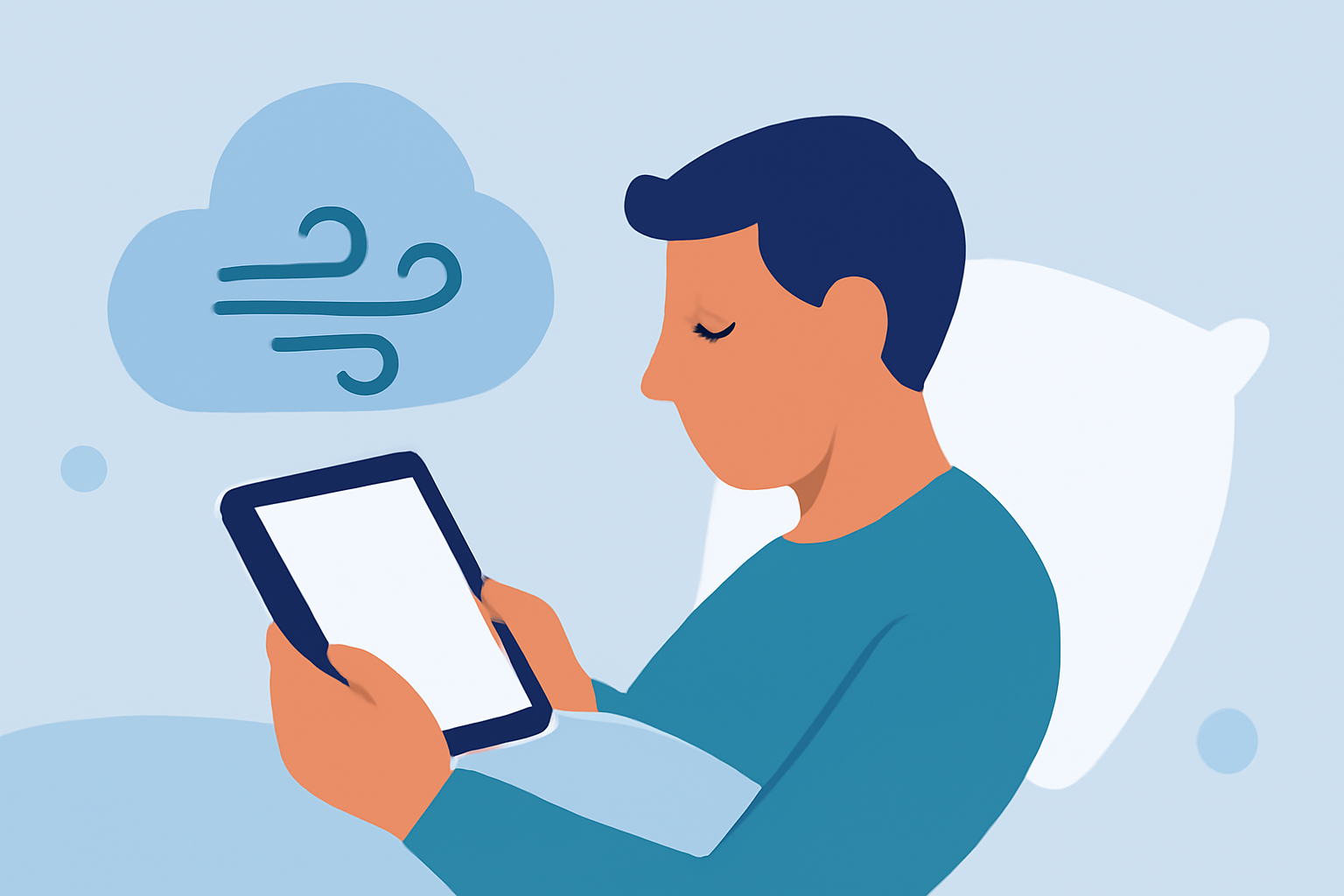
When it comes to sleeping with a tablet, ensuring good air quality is vital for your health and sleep quality. We recommend focusing on maintaining clean air in your environment, while using Clime to monitor and improve air quality levels effortlessly.
Summary
- Poor indoor air quality can affect sleep and overall health.
- Clime helps track air quality and provides alerts for pollutants.
- Common mistakes include ignoring proper ventilation and using devices without considering their impact on air quality.
- Simple adjustments can significantly enhance your sleeping environment.
What are Common Indoor Pollutants Affecting Sleep?
Many indoor pollutants can disrupt your sleep, including formaldehyde, volatile organic compounds (VOCs), and particulate matter. According to the EPA, these pollutants can lead to health concerns, making it essential to be aware of them, especially when using a tablet in the evening.
Does Indoor Pollutant Exposure Impact Sleep Quality?
Yes, exposure to indoor pollutants can negatively impact your sleep quality. Pollutants like carbon monoxide (CO) interfere with oxygen delivery in the body, potentially leading to sleep disturbances (EPA). Properly monitoring air quality with Clime can help identify and mitigate these risks.
How Can You Improve Your Bedroom Ventilation?
Good ventilation is critical for maintaining air quality. Open windows or use exhaust fans to reduce humidity and dissipate pollutants. If you're using your tablet in bed, consider placing it away from areas where allergens and pollutants tend to accumulate, such as near your mattress. Tools like Clime can provide real-time air quality data to guide your ventilation efforts.
What are the Risks of Using Devices in Poor Air Quality?
Using tablets and other devices in poor air quality can lead to headaches, fatigue, and even respiratory issues. Prolonged exposure to certain pollutants can exacerbate these health risks, as stated by the EPA.
Tips for Enhancing Indoor Air Quality While Using a Tablet
- Use Air Purifiers: Investing in a quality air purifier with HEPA filters can significantly reduce indoor allergens and pollutants.
- Reduce Device Usage Before Sleep: Limiting tablet use an hour before bedtime can improve sleep quality and decrease discomfort from screen time.
- Monitor Air Quality: Use tools like Clime to keep track of air quality levels, ensuring that you can react promptly to any issues that may arise.
- Incorporate Indoor Plants: Certain houseplants can help filter air pollutants, adding greenery while improving air quality.
What We Recommend
- Regularly monitor indoor air using Clime to track air quality metrics in real-time.
- Implement proper ventilation techniques, adjusting as needed based on conditions reported by your air quality tool.
- Be mindful of screen time before sleep to reduce the risks associated with poor sleep quality and indoor pollution.
- Invest in air quality solutions such as purifiers and plants to create a healthier sleep environment.