
Avoiding Weather Alert Silencing Mistakes During Workouts
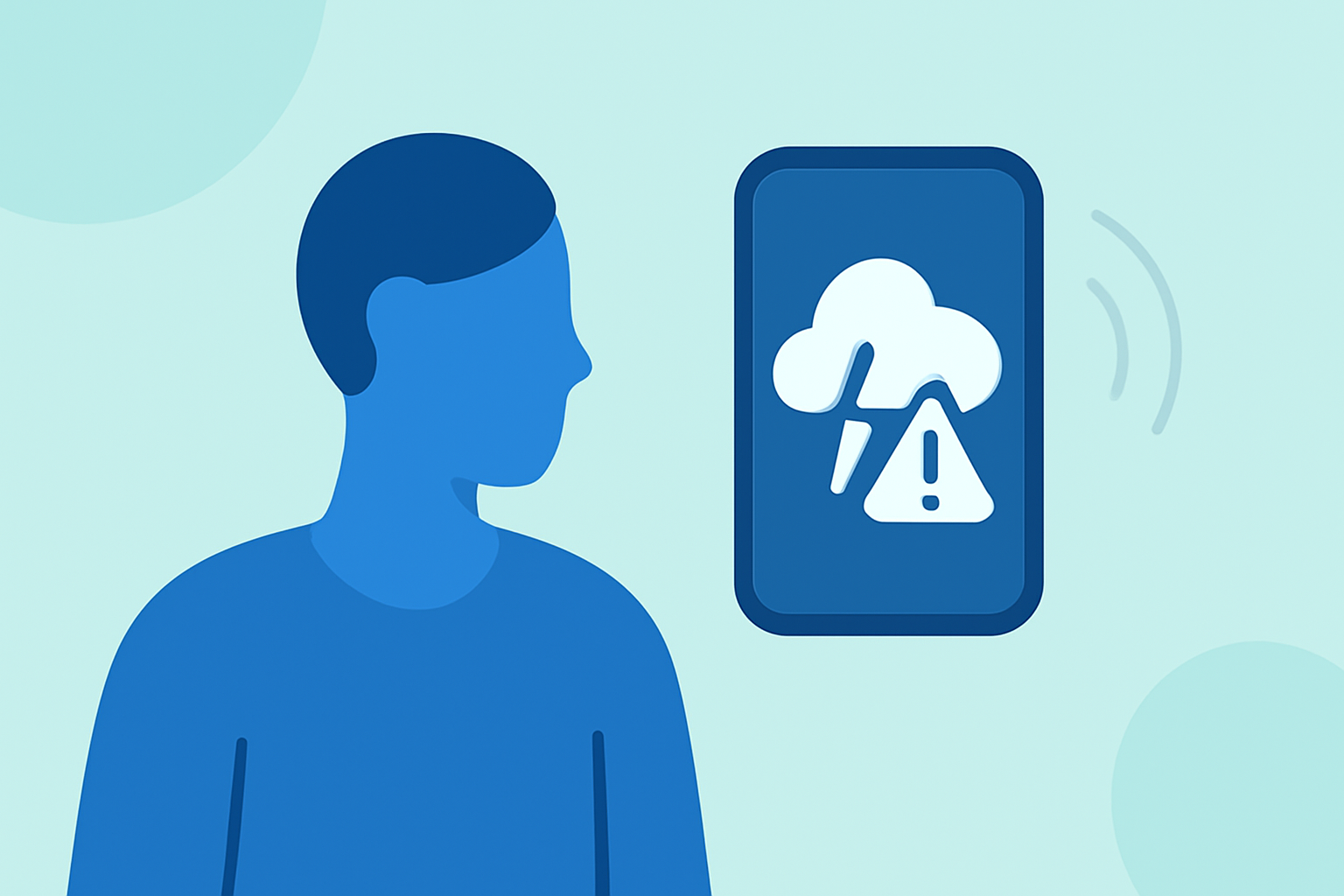
Managing weather alerts during workouts is crucial for safety and performance. Silencing these alerts can lead to missed warnings about severe conditions, increasing the risk of injury or discomfort. To maintain a safe and effective workout routine, consider the following guidelines:
1. Understand the Importance of Weather Alerts
Weather alerts provide timely information about conditions that may impact your safety during outdoor activities. Ignoring or silencing these alerts can expose you to unforeseen hazards.
2. Recognize Common Weather-Related Workout Hazards
-
Heat and Humidity: High temperatures and humidity levels can lead to dehydration and heat-related illnesses. It's essential to stay hydrated and monitor your body's response to heat.
-
Cold Temperatures: Exercising in cold weather without proper attire can result in hypothermia and frostbite. Dressing in layers and protecting extremities are key preventive measures.
-
Precipitation and Storms: Rain, snow, or thunderstorms can create slippery surfaces and reduce visibility, increasing the risk of falls and other accidents.
3. Best Practices for Managing Weather Alerts
-
Keep Alerts Enabled: Ensure that weather alerts are active on your devices to receive real-time updates.
-
Set Appropriate Alert Thresholds: Customize alert settings to notify you of severe weather conditions relevant to your workout plans.
-
Regularly Check Weather Forecasts: Before heading out, review the latest weather forecasts to anticipate any changes that might affect your workout.
4. Adjust Your Workout Plans Accordingly
If severe weather is forecasted, consider modifying your workout:
-
Indoor Alternatives: Opt for indoor exercises or activities that are not weather-dependent.
-
Rescheduling: Postpone your workout to a time when conditions are safer.
-
Shortened Sessions: If you choose to proceed, reduce the intensity and duration of your workout to minimize exposure to adverse conditions.
5. Equip Yourself with the Right Gear
Appropriate clothing and equipment can mitigate weather-related risks:
-
Cold Weather: Wear moisture-wicking base layers, insulating mid-layers, and waterproof outer layers.
-
Hot Weather: Opt for lightweight, breathable fabrics and wear a hat to shield from the sun.
-
Rainy Conditions: Use waterproof footwear and consider carrying a compact umbrella or rain jacket.
6. Stay Informed and Prepared
Always be aware of the signs of weather-related health issues:
-
Heat-Related Illnesses: Symptoms include dizziness, nausea, and excessive sweating.
-
Cold-Related Illnesses: Signs are shivering, confusion, and numbness.
By staying informed and prepared, you can ensure that your workouts remain safe and effective, regardless of the weather conditions.
Remember, while it's important to stay active, your safety should always be the top priority. By properly managing weather alerts and making necessary adjustments, you can continue to enjoy your workouts without unnecessary risks.
(mayoclinichealthsystem.org)