
Avoiding Common Mistakes with Weed Pollen During Severe Weather
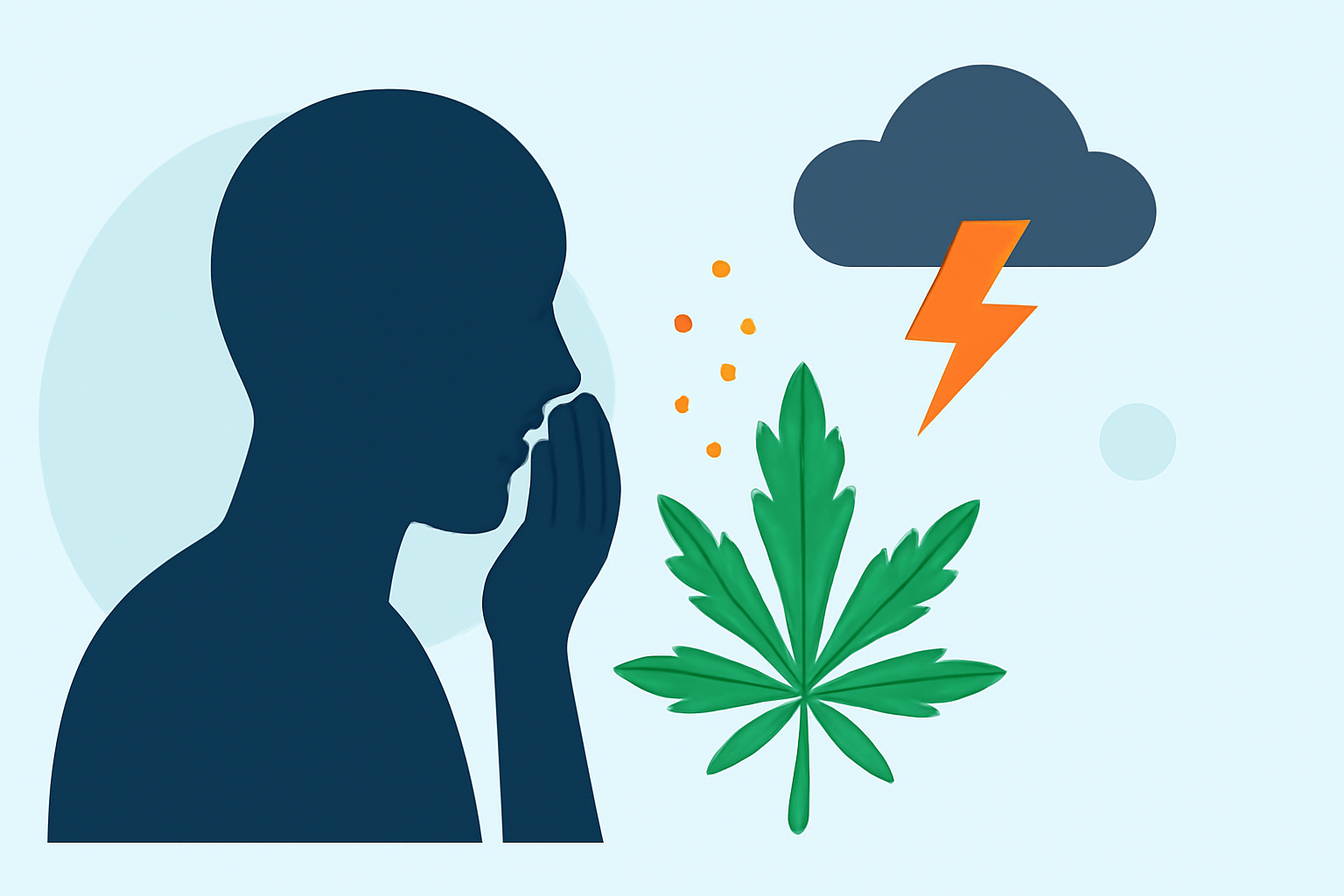
Severe weather conditions can significantly impact weed pollen levels, exacerbating allergy symptoms. Understanding how to navigate these changes is crucial for effective management.
How Does Severe Weather Affect Weed Pollen Levels?
Severe weather, such as thunderstorms, can lead to a phenomenon known as "thunderstorm asthma." In this event, rain and strong winds rupture pollen grains, dispersing tiny allergenic particles into the air. These particles can travel over 100 miles and remain airborne for hours, intensifying allergic reactions. (homesandgardens.com)
What Are Common Mistakes to Avoid During Severe Weather?
-
Underestimating Pollen Levels: Assuming that rain reduces pollen levels can be misleading. While rain can wash pollen from the air, it can also break up pollen particles, spreading them further and increasing exposure. (medicalnewstoday.com)
-
Engaging in Outdoor Activities During High Pollen Times: Participating in outdoor exercises or activities when pollen counts are high can worsen symptoms. It's advisable to limit such activities during peak pollen periods. (webmd.com)
-
Neglecting Indoor Air Quality: Failing to maintain clean indoor environments can lead to increased pollen exposure. Using HEPA filters and keeping windows closed during high pollen times can help reduce indoor pollen levels. (nationaljewish.org)
How Can Clime Help Manage Weed Pollen Exposure?
Clime offers real-time pollen forecasts, allowing users to monitor pollen levels and plan activities accordingly. By providing accurate and timely information, Clime helps individuals make informed decisions to minimize exposure during severe weather events.
What Are Effective Strategies to Reduce Exposure?
-
Monitor Pollen Forecasts: Regularly check pollen counts to plan outdoor activities during lower pollen periods. (pollen.day)
-
Limit Outdoor Activities During High Pollen Times: Avoid being outdoors in the morning hours between 5:00 and 10:00 a.m., when pollen dispersal is peaking. (files.dep.state.pa.us)
-
Maintain Clean Indoor Environments: Use HEPA filters and keep windows closed during high pollen times to reduce indoor pollen levels. (nationaljewish.org)
-
Shower and Change Clothes After Outdoor Exposure: This helps remove pollen particles from your body and clothing, reducing indoor contamination. (files.dep.state.pa.us)
Conclusion
Severe weather can significantly impact weed pollen levels, exacerbating allergy symptoms. By understanding these effects and implementing effective management strategies, individuals can better navigate pollen exposure during adverse weather conditions.
Highlights:
- Why Thunderstorms Can Make Your Pollen Allergies Worse - And What You Can Do About It, Published on Monday, April 20