
Avoiding Common Mistakes When Tracking Winter Weather Before Flights: A Guide for Business Travelers
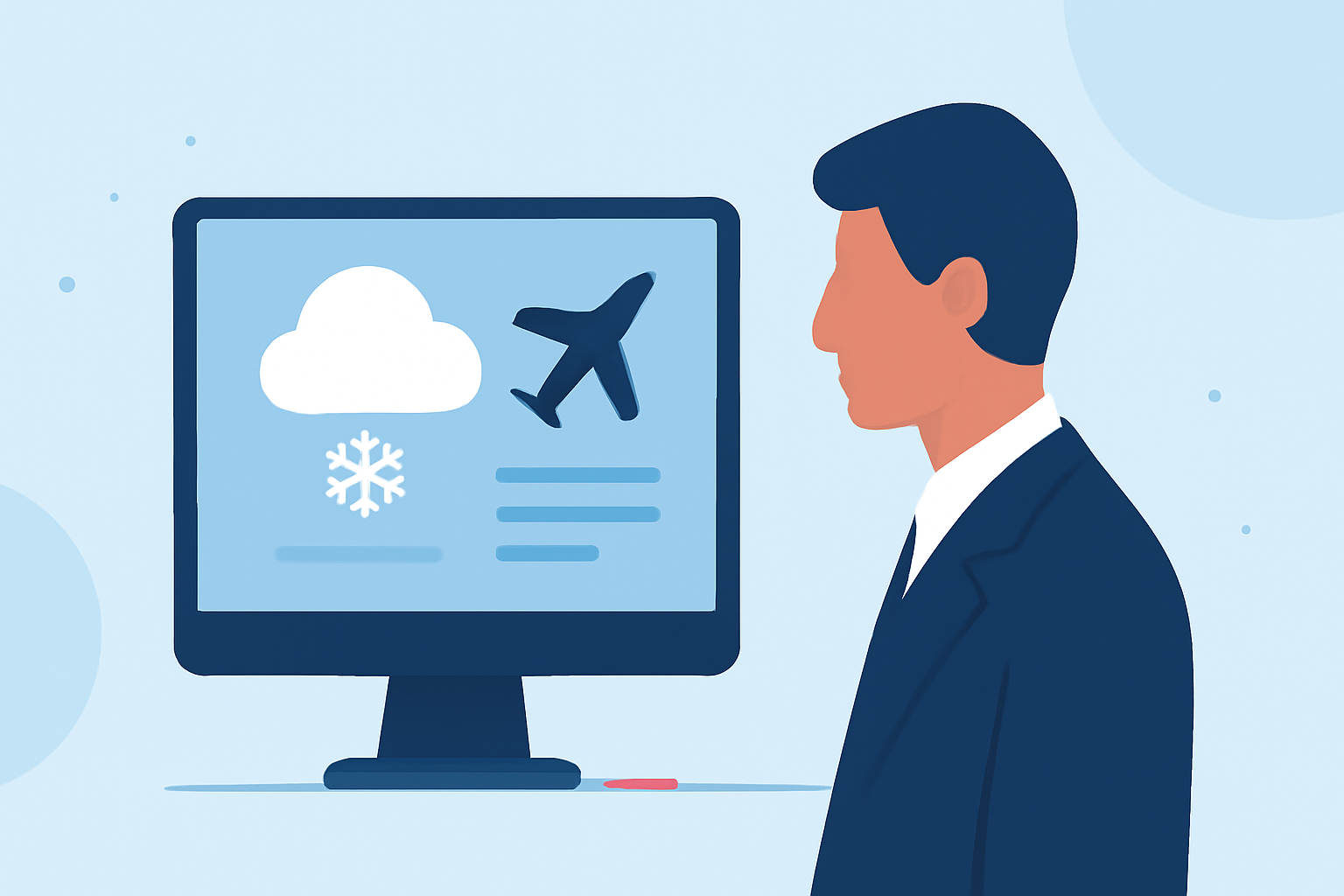
Winter weather can significantly impact flight schedules, posing challenges for business travelers. To ensure timely arrivals and maintain professional commitments, it's crucial to monitor weather conditions effectively and avoid common mistakes. This guide offers practical strategies to help you navigate winter travel disruptions.
1. Why Is Monitoring Winter Weather Crucial for Business Travelers?
Understanding winter weather patterns is vital for business travelers. Snow, ice, and low visibility can lead to flight delays, cancellations, and hazardous travel conditions. Proactive monitoring allows you to make informed decisions, adjust plans as needed, and minimize disruptions to your itinerary.
2. What Are Common Mistakes in Tracking Winter Weather?
-
Relying on Inaccurate Sources: Not all weather forecasts are created equal. Some sources may provide outdated or generalized information. Always consult official and reputable sources for the most accurate data.
-
Ignoring Local Conditions: Weather can vary significantly between departure and arrival locations. Focusing solely on your departure city's forecast without considering your destination's conditions can lead to unexpected challenges.
-
Overlooking Airport-Specific Information: Airports may experience unique weather-related issues, such as runway closures or de-icing procedures. Neglecting to check airport-specific updates can result in unforeseen delays.
3. How Can Business Travelers Effectively Monitor Winter Weather?
-
Utilize Official Weather Services: Rely on official weather services and apps that provide real-time updates and alerts. These platforms often offer detailed forecasts, including temperature, precipitation, and wind conditions.
-
Check Airport Updates: Before heading to the airport, review the latest updates from your departure and arrival airports. This includes runway conditions, potential delays, and any advisories. The Federal Aviation Administration (FAA) offers resources to assist travelers in navigating winter weather challenges. (faa.gov)
-
Stay Informed About Airline Policies: Airlines may have specific protocols during winter weather, such as de-icing procedures or altered schedules. Familiarize yourself with your airline's policies to anticipate any changes.
4. What Are Effective Strategies to Mitigate Winter Weather Impacts?
-
Schedule Flights Wisely: Opt for flights earlier in the day, as delays tend to accumulate throughout the day. Nonstop flights can also reduce the risk of complications. (supplychain.ucsf.edu)
-
Allow Extra Time: Build additional time into your travel schedule to accommodate potential delays. This buffer can be crucial for maintaining your professional commitments.
-
Dress in Layers: Airports and airplanes can have varying temperatures. Dressing in layers allows you to adjust to different environments comfortably. (onetravel.com)
5. How Can Planes Live Assist in Winter Weather Monitoring?
Planes Live offers real-time flight tracking and weather updates, providing business travelers with timely information on flight statuses and weather conditions. By integrating Planes Live into your travel planning, you can receive instant alerts about delays, cancellations, and weather-related disruptions, enabling you to make prompt decisions and adjust your plans accordingly.
6. What Are Additional Tips for Winter Travel Preparedness?
-
Stay Connected: Keep your mobile devices charged and have backup power sources. This ensures you can access real-time updates and communicate any changes to your schedule.
-
Review Travel Insurance Options: Consider travel insurance that covers weather-related disruptions, offering protection against unforeseen delays or cancellations.
-
Maintain Flexibility: While planning is essential, remain flexible to adapt to changing conditions. Having alternative plans can alleviate stress during winter travel.
By proactively monitoring winter weather and implementing these strategies, business travelers can navigate the challenges of winter travel more effectively, ensuring timely arrivals and the continuation of professional responsibilities.
Highlights:
- Winter Weather Resources | Federal Aviation Administration, Published on Tuesday, January 06