
Beekeeping During Severe Weather: Essential Guidelines for Protecting Your Hive
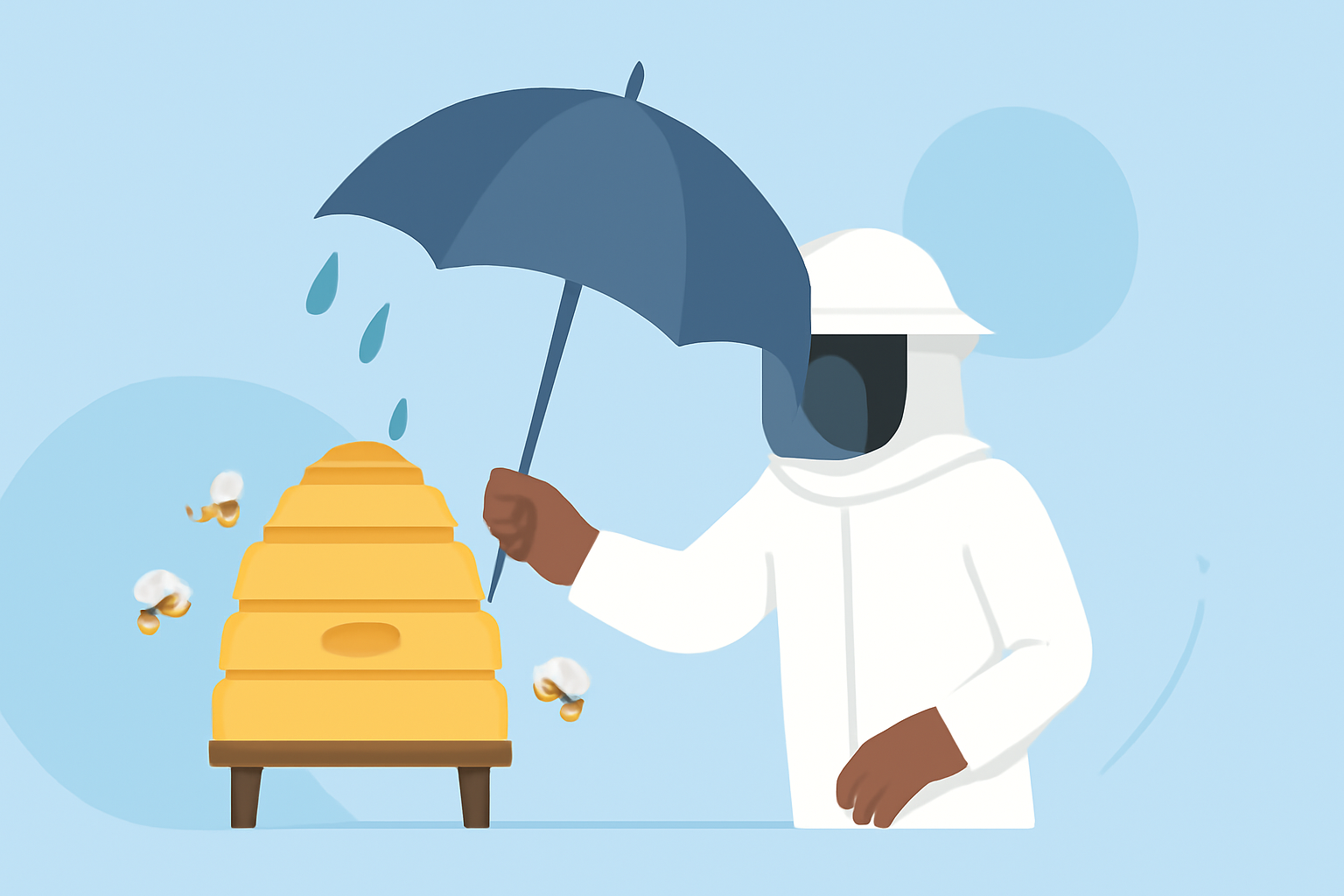
Beekeeping is a rewarding endeavor, but severe weather conditions can pose significant challenges to the health and productivity of your hive. Understanding how to protect your bees during such times is crucial.
What Are the Risks of Severe Weather for Beekeeping?
Severe weather events like heavy rain, strong winds, snow, and extreme temperatures can disrupt bee activities, damage hive structures, and lead to the loss of colonies. For instance, heavy rainfall can prevent bees from foraging, leading to food shortages. Strong winds and snow can physically damage hives, while extreme temperatures can affect the bees' ability to regulate the hive's internal environment.
How Can I Prepare My Hive for Severe Weather?
-
Site Selection and Hive Placement: Choose a location that offers natural protection from the elements. Placing hives near windbreaks, such as trees or buildings, can shield them from strong winds. Ensure the area is well-drained to prevent water accumulation during heavy rains.
-
Hive Insulation: In colder climates, insulating your hive can help maintain a stable internal temperature. Materials like straw bales or tarps can be used, but ensure they don't obstruct ventilation. Proper ventilation is essential to prevent moisture buildup, which can lead to mold and other issues.
-
Securing the Hive: During stormy conditions, secure the hive to prevent it from tipping over. Use ratchet straps or secure the lid with duct tape to withstand strong winds. Ensure that hive bodies are properly stacked to prevent shifting. (entomology.ces.ncsu.edu)
-
Entrance Management: In heavy snow, clear the hive entrance to allow bees to exit when temperatures rise. However, avoid opening the hive during extreme cold to prevent heat loss. Bees can maintain a cluster temperature of 81°F (27°C) at their core, even in freezing conditions. (perfectbee.com)
What Should I Do During Severe Weather Events?
-
Limit Hive Inspections: Avoid opening the hive during adverse weather to minimize stress on the colony. Opening the hive in cold or wet conditions can disrupt the bees' environment and lead to brood chilling. (honestbeeltd.com)
-
Monitor for Damage: After severe weather, inspect the hive for any structural damage. Look for shifted covers, tipped hives, or damaged equipment. Make emergency repairs only when safe and temperatures allow. (perfectbee.com)
-
Provide Emergency Feeding: If foraging is limited due to weather, consider providing supplemental feeding. Use fondant or candy boards placed directly above the cluster on a mild day. Avoid feeding during extreme cold to prevent attracting pests.
How Can I Minimize the Impact of Severe Weather on My Hive?
-
Regular Monitoring: Keep an eye on weather forecasts and be prepared to take action when severe weather is predicted. Regularly check the hive's condition and the health of the colony.
-
Educate Yourself: Stay informed about best practices for beekeeping in your region. Join local beekeeping associations or forums to share experiences and learn from others.
-
Trust Your Preparation: Proper preparation can help your colony withstand severe weather. Trust in your preparations and avoid unnecessary interventions during adverse conditions. (perfectbee.com)
By understanding the risks and implementing these protective measures, you can help ensure the resilience and health of your beehive during severe weather events.
Highlights:
- Protective Measures of Beehives During Hurricanes - Entomology | NC State Extension, Published on Monday, August 05
- Severe Weather Preparation for Beekeepers: Storms, Wind, and Precipitation – beekeepingmadeeasy.com, Published on Wednesday, November 26
- Protect Honey Bees During Extreme Weather, Published on Tuesday, February 22