
Essential Beekeeping Tips for Managing Weather Variations
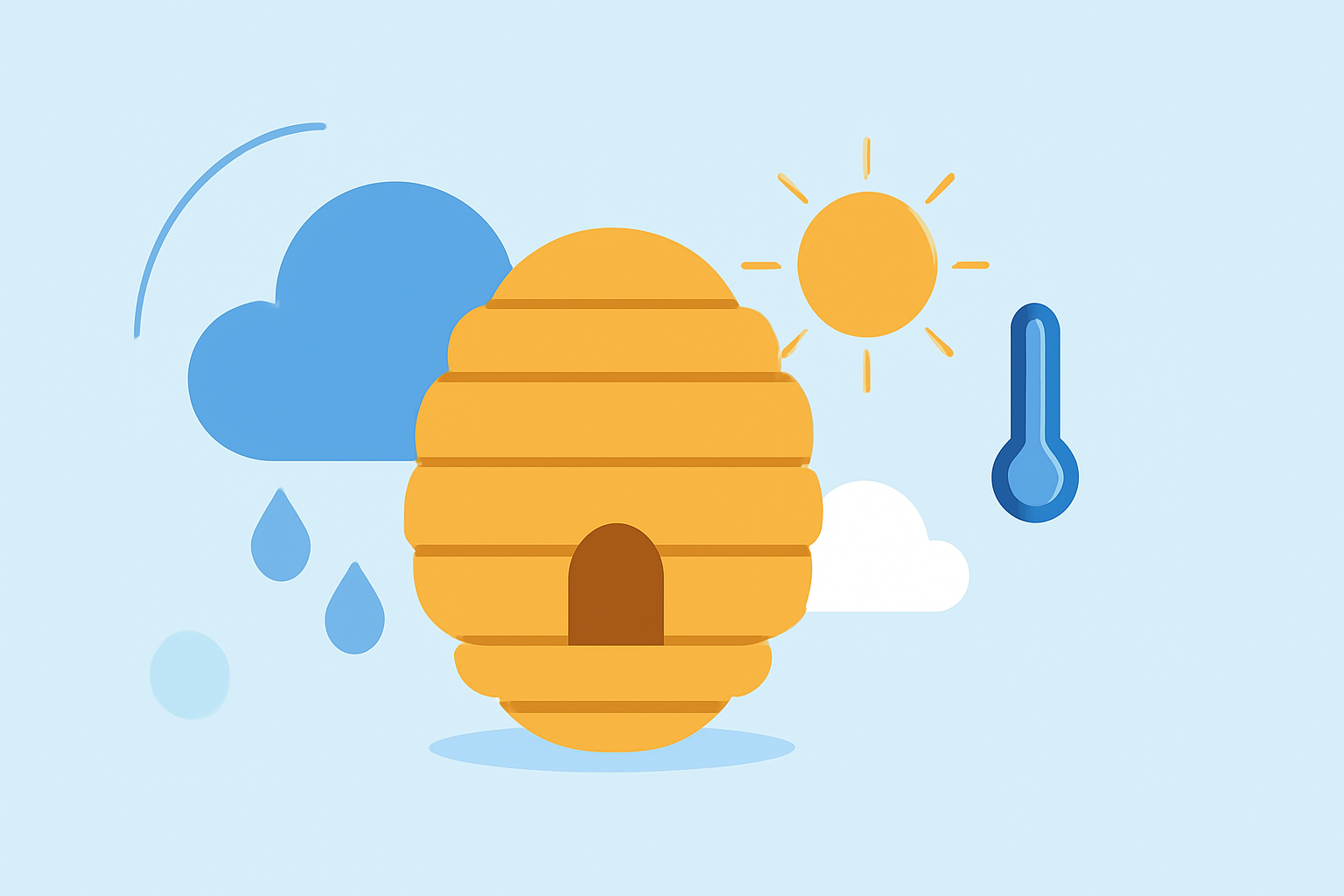
Beekeeping is a dynamic practice influenced significantly by weather conditions. Understanding how various climates affect your bees is crucial for their well-being and the success of your apiary.
How Does Weather Impact Beekeeping?
Weather conditions directly influence bee behavior, hive health, and overall productivity. Optimal conditions promote active foraging and colony growth, while extreme weather can pose challenges such as heat stress, moisture buildup, and reduced forage availability.
What Are the Key Weather Considerations for Beekeepers?
-
Temperature Extremes: Bees thrive in moderate temperatures. Extreme heat can lead to heat stress, while cold temperatures can cause the colony to cluster, reducing activity.
-
Humidity Levels: High humidity can lead to moisture buildup inside the hive, promoting mold growth and potential disease.
-
Precipitation: Rain can limit foraging opportunities and increase the risk of hive flooding.
-
Wind: Strong winds can damage hives and disrupt bee flight patterns.
How Can Beekeepers Adapt to Different Climates?
In Northern Climates:
-
Hive Insulation: Use wraps or insulated covers to retain heat during cold months.
-
Wind Protection: Position hives to shield them from prevailing winds.
In Southern Climates:
-
Shade Provision: Ensure hives receive partial shade to prevent overheating.
-
Moisture Management: Implement good ventilation to reduce humidity levels inside the hive.
What Are the Best Practices for Beekeeping in Hot Weather?
-
Early Morning Inspections: Conduct hive inspections during cooler parts of the day to minimize stress on the bees.
-
Provide Water Sources: Place shallow dishes with pebbles near the hives to offer bees a safe water source.
-
Ensure Ventilation: Prop open hive covers to create airflow and prevent overheating.
-
Use Shade: Provide shade using natural cover or shade cloth to protect hives from direct sunlight.
How Do Seasonal Changes Affect Beekeeping Practices?
-
Spring: Focus on hive inspections, disease management, and ensuring adequate food stores as colonies build up.
-
Summer: Monitor for signs of heat stress, provide water sources, and manage honey supers.
-
Fall: Prepare hives for winter by reducing entrances, adding insulation, and ensuring sufficient food reserves.
-
Winter: Limit hive disturbances, monitor for moisture issues, and ensure ventilation to prevent condensation.
How Can Beekeepers Monitor and Adapt to Local Weather Conditions?
Utilize local weather forecasts and climate data to plan beekeeping activities. Adjust hive management practices based on anticipated weather patterns to maintain colony health and productivity.
By understanding and adapting to the various weather conditions, beekeepers can create a more resilient and productive apiary.
For a visual guide on keeping your bees cool during hot weather, consider watching the following video: