
A Beginner's Guide to Measuring Precipitation Accurately
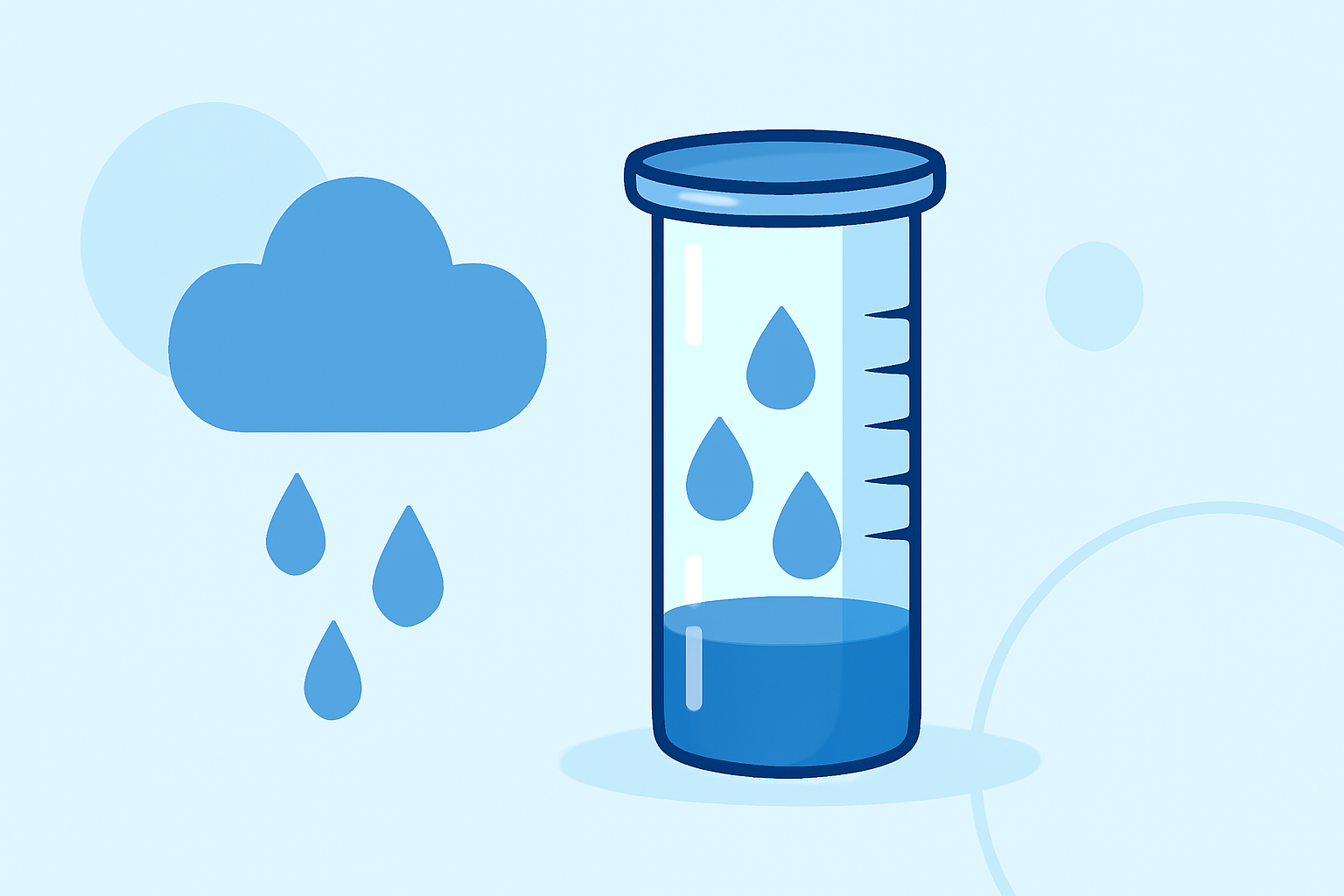
Measuring precipitation is essential for various applications, from agriculture to weather forecasting. For beginners, using a rain gauge is the most straightforward method.
What Is a Rain Gauge?
A rain gauge is a device designed to collect and measure the amount of liquid precipitation over a set period. The standard rain gauge consists of a funnel that directs rain into a measuring tube, allowing for precise readings. (gpm.nasa.gov)
How to Use a Standard Rain Gauge
-
Placement: Position the rain gauge in an open area, away from obstructions like trees or buildings, to ensure accurate collection.
-
Reading the Gauge: After a rainfall, observe the water level in the measuring tube. The depth of the water corresponds to the amount of precipitation, typically measured in millimeters or inches. (gpm.nasa.gov)
Understanding Precipitation Measurements
Precipitation is quantified by the depth of water accumulated in the rain gauge, expressed in millimeters or inches. For instance, 1 millimeter of precipitation equals 1 liter of water per square meter. (tfa-dostmann.de)
Why Accurate Measurement Matters
Precise precipitation data is crucial for:
-
Agriculture: Determining irrigation needs and assessing crop health.
-
Water Resource Management: Planning for water storage and distribution.
-
Weather Forecasting: Enhancing the accuracy of weather predictions.
Alternative Methods for Measuring Precipitation
While standard rain gauges are common, other instruments include:
-
Tipping Bucket Rain Gauges: These devices collect rain in a small bucket that tips when a specific amount of water accumulates, sending an electronic signal for each tip. (nexsens.com)
-
Weighing Rain Gauges: These measure the weight of the collected water, providing continuous data on precipitation rates. (nexsens.com)
Conclusion
For those new to measuring precipitation, starting with a standard rain gauge offers a simple and effective approach. Regular and accurate measurements contribute valuable data for various fields, from agriculture to meteorology.
For a visual demonstration on using a rain gauge, you might find this video helpful: