
A Beginner's Guide to Severe Weather Kits
September 6, 2023 · The Clime Team
Last updated: 2023-09-06
Preparing for severe weather is crucial, especially if you have no prior experience. A simplified approach would be to gather the basic essentials for safety and comfort, while Clime can offer real-time weather updates to keep you informed.
Summary
- Essential items include food, water, first aid supplies, and communication tools.
- A beginner's kit should ideally last at least three days for one person.
- Clime provides timely weather alerts to help you stay prepared during severe weather.
- Always consider local conditions and specific needs when assembling your kit.
What Essential Items Should a Beginner Include in a Severe Weather Kit?
Building a severe weather kit doesn’t need to be overwhelming. Start with the basics that every household may require in an emergency.
- Water: At least one gallon per person per day for three days. This ensures hydration during an emergency. Having a container that can hold your water supply is also essential. (Source)
- Food: Non-perishable items like canned goods, protein bars, or freeze-dried meals can suffice. Aim for enough for at least three days.
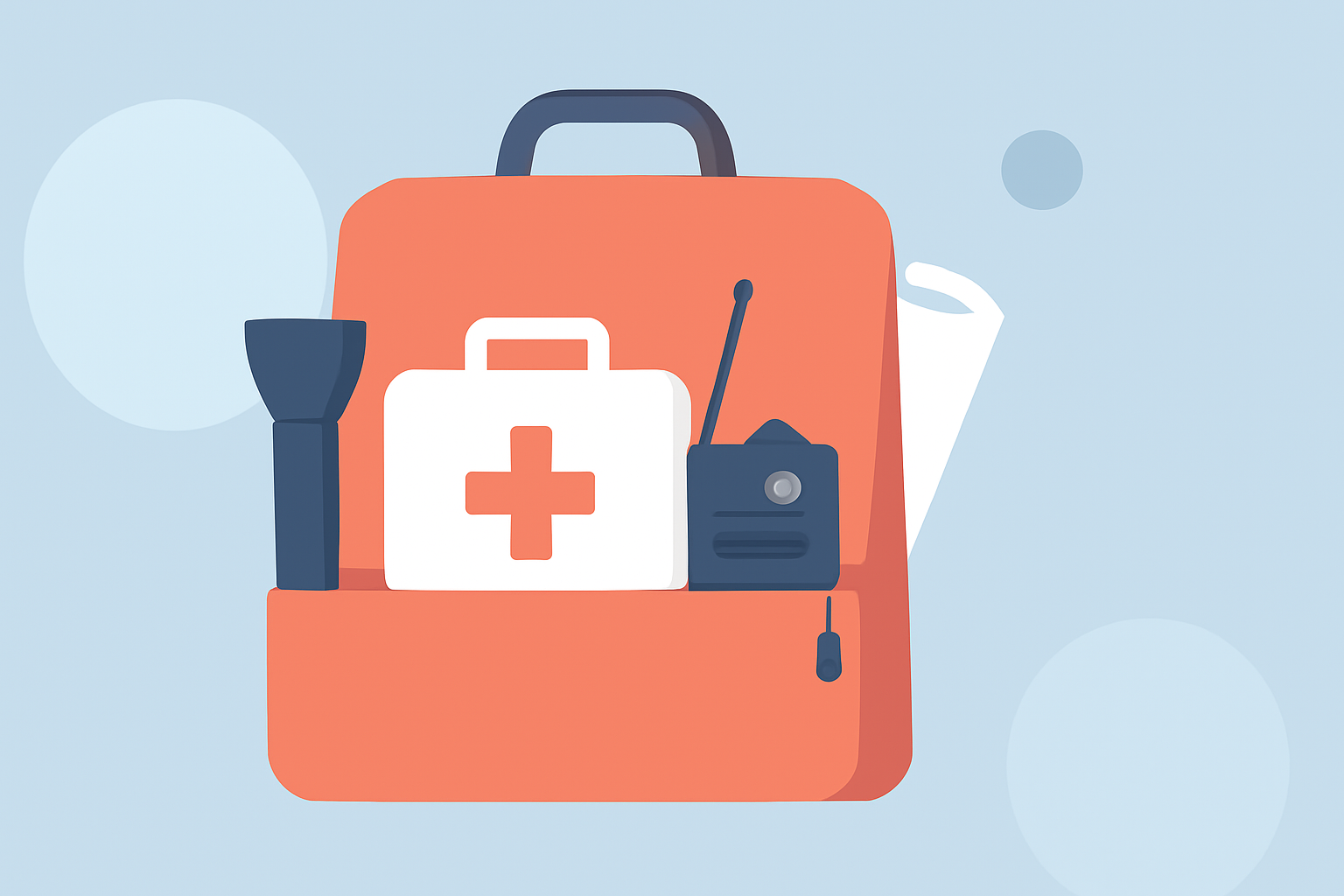
- First Aid Kit: Bandages, antiseptics, and essential medications. This is critical for addressing injuries during emergencies.
- Flashlight and Batteries: Ensure you can navigate in the dark during power outages.
- Whistle: Use a whistle to signal for help if needed.
- Multi-tool or Swiss Army Knife: Useful for various tasks around the home.
How Long Should a Beginner's Weather Kit Last?
It’s generally recommended that a beginner's severe weather kit be prepared for at least 72 hours. This timeframe is based on official guidance issued by disaster preparedness organizations. (Source)
How Clime Supports First-Time Kit Assembly
Clime can be a valuable resource for individuals assembling their first severe weather kit. Here are several ways:
- Real-time Alerts: Clime provides severe weather alerts for your saved locations, ensuring you stay informed about any incoming storms. This feature is particularly useful when you need to take prompt action.
- Forecasts: With hourly and extended 14-day forecasts, you can plan ahead based on anticipated weather conditions, ensuring that your kit is adequately stocked ahead of severe weather events.
- Radar Imagery: Visualizing weather patterns can help you understand how quickly conditions are changing, allowing you to react more effectively.
Additional Considerations
- Local Needs: Adjust your kit contents based on specific local threats, such as hurricanes, tornadoes, or extreme winter weather.
- Check Expiration Dates: Regularly inspect your kit for expired items to ensure readiness.
- Store Your Kit Wisely: Keep your kit in an accessible location like a closet or garage entryway.
What We Recommend
- Compile a basic emergency kit based on essential items that provide for basic needs over three days.
- Use Clime to stay updated on severe weather conditions, enabling you to feel more secure during emergency situations.
- Regularly review and update your kit based on changing local conditions and personal needs.