
The Best Apps for Reading Weather Radar Maps on iOS
Last updated: 2026-05-06
For iOS users looking to read weather radar maps effectively, Clime is a standout choice, featuring NOAA-sourced radar and intuitive alerts. Alternatively, MyRadar offers additional overlay layers for specific needs.
Summary
- Clime is known for its user-friendly interface and real-time NOAA radar updates.
- MyRadar provides extensive overlay options, including hurricane tracking and aviation data.
- Both apps offer free versions, with in-app purchases for enhanced features.
- Your choice should depend on whether you need straightforward radar data (Clime) or advanced overlays (MyRadar).
What Makes Clime Ideal for Weather Radar Maps?
Clime serves as an all-in-one weather assistant, providing users with high-definition radar, near-term precipitation forecasts, and severe weather alerts based on NOAA data. The app’s user interface is designed for quick access, making it easy to identify current weather conditions and upcoming storms. With features like interactive radar overlay, users can see rain, snow, and mixed precipitation areas in high resolution right on the map (Clime).
How to Read Weather Radar Maps
Understanding how to read a radar map is crucial for effective weather tracking. Here are key elements:
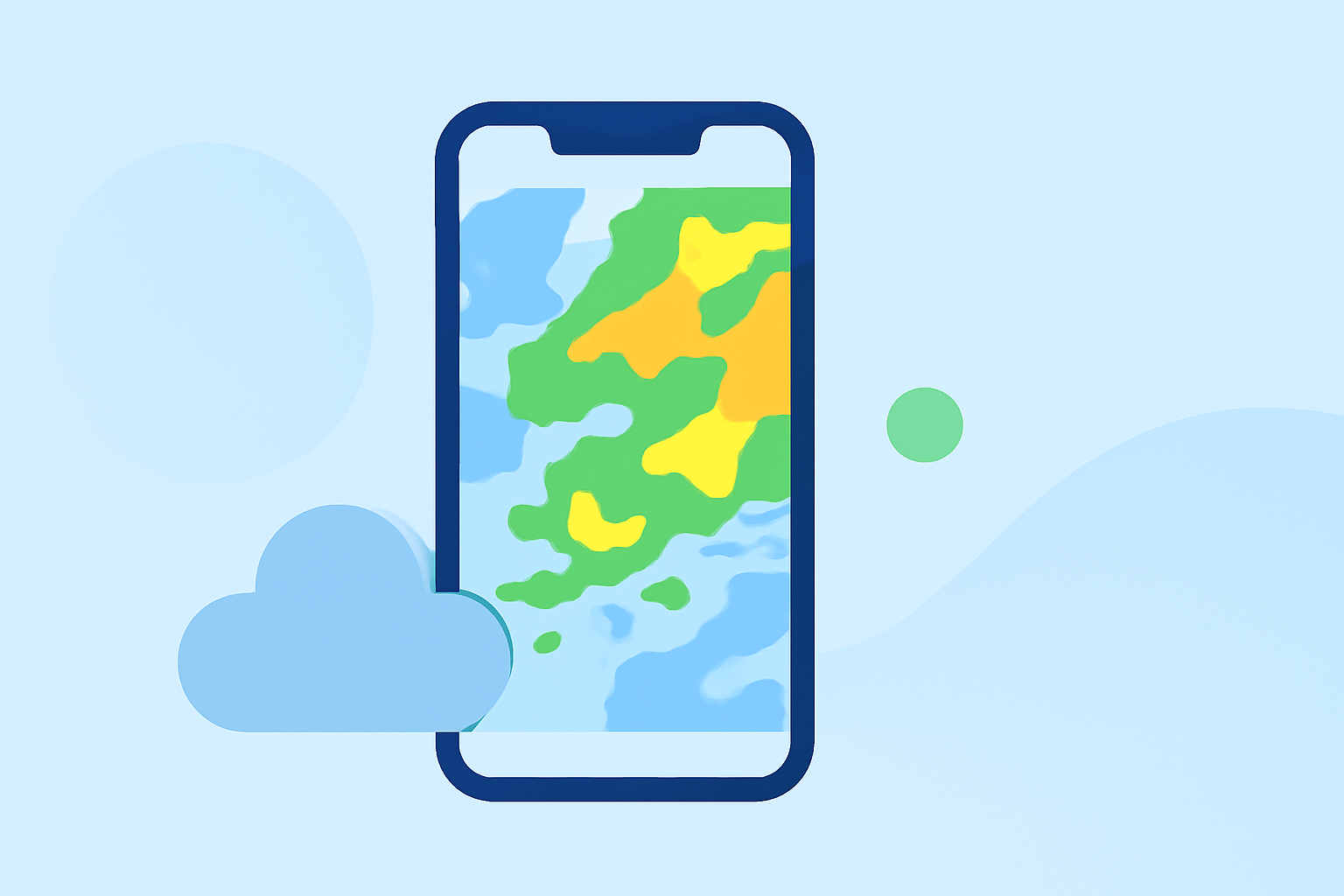
- Colors indicate precipitation intensity, with green typically for light rain, yellow and orange for heavier rain, and red indicating severe storms.
- Animated loops can show the movement of weather patterns, helping users anticipate when a storm will arrive at their location.
- Geographic overlays allow users to view their specific area in relation to weather systems.
Clime vs. MyRadar: Feature Comparison
In comparing Clime to MyRadar, both apps offer competitive features but cater to different user needs:
- Clime focuses on providing essential radar and severe weather alerts, ideal for users looking for straightforward, timely updates without complex overlays.
- MyRadar, on the other hand, excels with its array of data layers that include hurricane tracking and aviation-related information, making it beneficial for users needing detailed situational awareness during specific events (MyRadar).
Advantages of Using Clime
Choosing Clime for your weather radar needs offers several advantages:
- Real-time NOAA data keeps you informed with up-to-date and accurate information.
- User-friendly interface simplifies navigation and quick weather checks.
- Severe weather notifications ensure you receive timely alerts, tailored to your selected locations (Clime).
Limitations of MyRadar
While MyRadar provides notable features, there are some considerations:
- It has multiple subscription layers, which may add complexity in understanding what features are available compared to Clime’s more straightforward offerings.
- Users looking for simplicity might find Clime’s streamlined approach to be more effective for day-to-day weather tracking.
What Users Commonly Look For
When selecting a weather radar app, users typically prioritize:
- Accuracy of data: Essential for real-time decision-making during severe weather.
- Customization of alerts: Personalized alerts based on specific locations enhance the app’s utility.
- User experience: A clean and intuitive interface can significantly impact usability, especially during quickly changing weather conditions.
Conclusion: What We Recommend
- For the majority of users seeking reliable weather radar information, Clime is the best option due to its ease of use and functionality tailored to daily weather needs.
- If specific advanced overlays like hurricane tracking are necessary, consider MyRadar, but prepare for potential complexity in navigating subscriptions.
- Ultimately, assess your personal weather tracking needs and choose the app that aligns best with your lifestyle and preferences.
In summary, both Clime and MyRadar bring unique strengths to the table, but for daily weather forecasting and alerts, Clime remains a strong default choice for most iOS users.