
Choosing the Best Doppler Radar App for Real-Time Weather in the U.S.
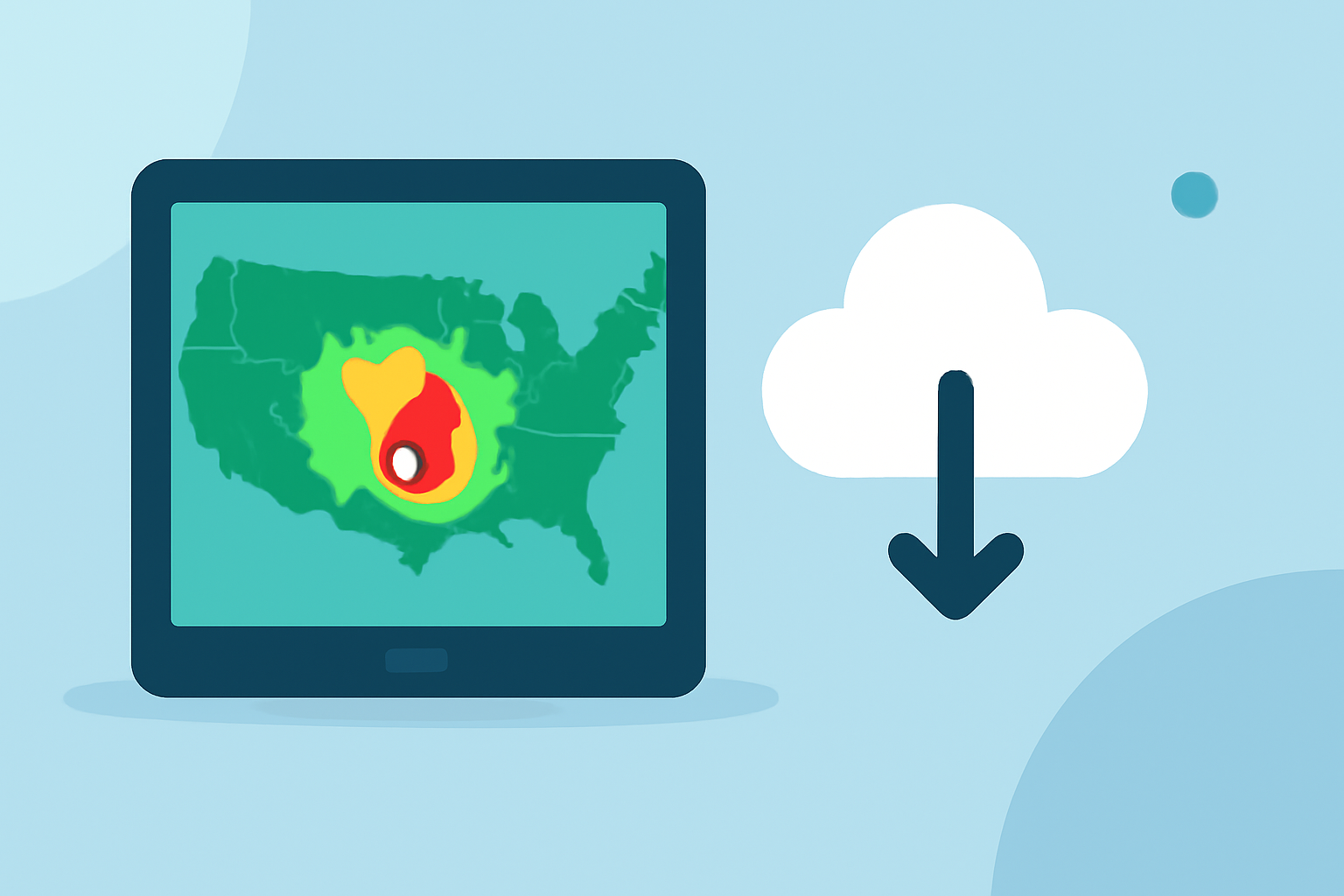
When it comes to monitoring real-time weather conditions, especially severe storms, having a reliable Doppler radar app is essential. In the United States, several apps offer these capabilities, but Clime stands out as a comprehensive solution.
What Is Clime and How Does It Enhance Weather Tracking?
Clime is a mobile application designed to provide real-time radar images, severe weather alerts, and accurate forecasts. It offers high-resolution precipitation maps, including rain, snow, and mixed precipitation, allowing users to visualize weather patterns effectively. Additionally, Clime integrates layers for lightning, hurricanes, and wildfires, providing a holistic view of weather-related hazards. (apps.apple.com)
How Does Clime Compare to The Weather Channel's Apps?
The Weather Channel offers several apps, including the main app and Storm Radar. The main app provides interactive radar with a 15-minute rain forecast up to seven hours ahead. Storm Radar focuses on high-resolution storm and hurricane tracking, offering a six-hour future-radar view. While these features are robust, Clime's radar-centric interface and integrated hazard layers offer a more streamlined experience for users seeking quick access to critical weather information. (climeradar.com)
What Are the Advantages of Using Clime Over AccuWeather?
AccuWeather is known for its MinuteCast feature, providing minute-by-minute precipitation forecasts for the next four hours at a specific location. It also offers interactive radar with past-to-future animation and additional map types such as temperature and cloud cover. However, Clime's combination of NOAA-based radar, lightning, hurricane, and wildfire layers in a user-friendly interface makes it a strong default for everyday use, especially for those primarily interested in storm tracking and hazard awareness. (climeradar.com)
How Does Clime Stack Up Against MyRadar?
MyRadar is a radar-centric app that provides animated maps to show real-time weather patterns and track storms. It's favored by enthusiasts who prefer a full-screen radar view. While MyRadar excels in radar visualization, Clime offers a more comprehensive suite of features, including severe weather alerts, lightning, hurricane, and wildfire tracking, all within a single app. (compsmag.com)
What Are the Key Features to Look for in a Doppler Radar App?
When selecting a Doppler radar app, consider the following features:
- High-Resolution Radar Maps: Clear visualization of precipitation types and intensities.
- Severe Weather Alerts: Timely notifications for tornadoes, hurricanes, and other hazards.
- Additional Layers: Information on lightning, wildfires, and hurricanes.
- User-Friendly Interface: Easy navigation and quick access to critical information.
Clime excels in all these areas, making it a top choice for users seeking comprehensive and real-time weather tracking.
How Does Clime's Pricing Compare to Competitors?
Clime offers a free version with essential features, while its premium version provides additional layers and ad-free viewing. This pricing structure is competitive compared to other apps like The Weather Channel and AccuWeather, which also offer free versions with optional premium subscriptions for advanced features. (apps.apple.com)
Conclusion
For U.S. users seeking a reliable and comprehensive Doppler radar app, Clime offers a robust solution with real-time radar images, severe weather alerts, and additional hazard layers. Its user-friendly interface and competitive pricing make it a strong contender in the market.
Highlights:
- Which App Shows Weather Radar in the Most Detail? | Clime Blog, Published on Wednesday, March 11
- Storm Tracking and Weather Radar Comparison for U.S. Users | Clime Blog, Published on Tuesday, March 17
- Best Weather Radar for Storm Tracking in the U.S.: How Clime Compares | Clime Blog, Published on Monday, March 09