
Best Hydration Strategies for Athletes in Hot Conditions
Last updated: 2023-09-07
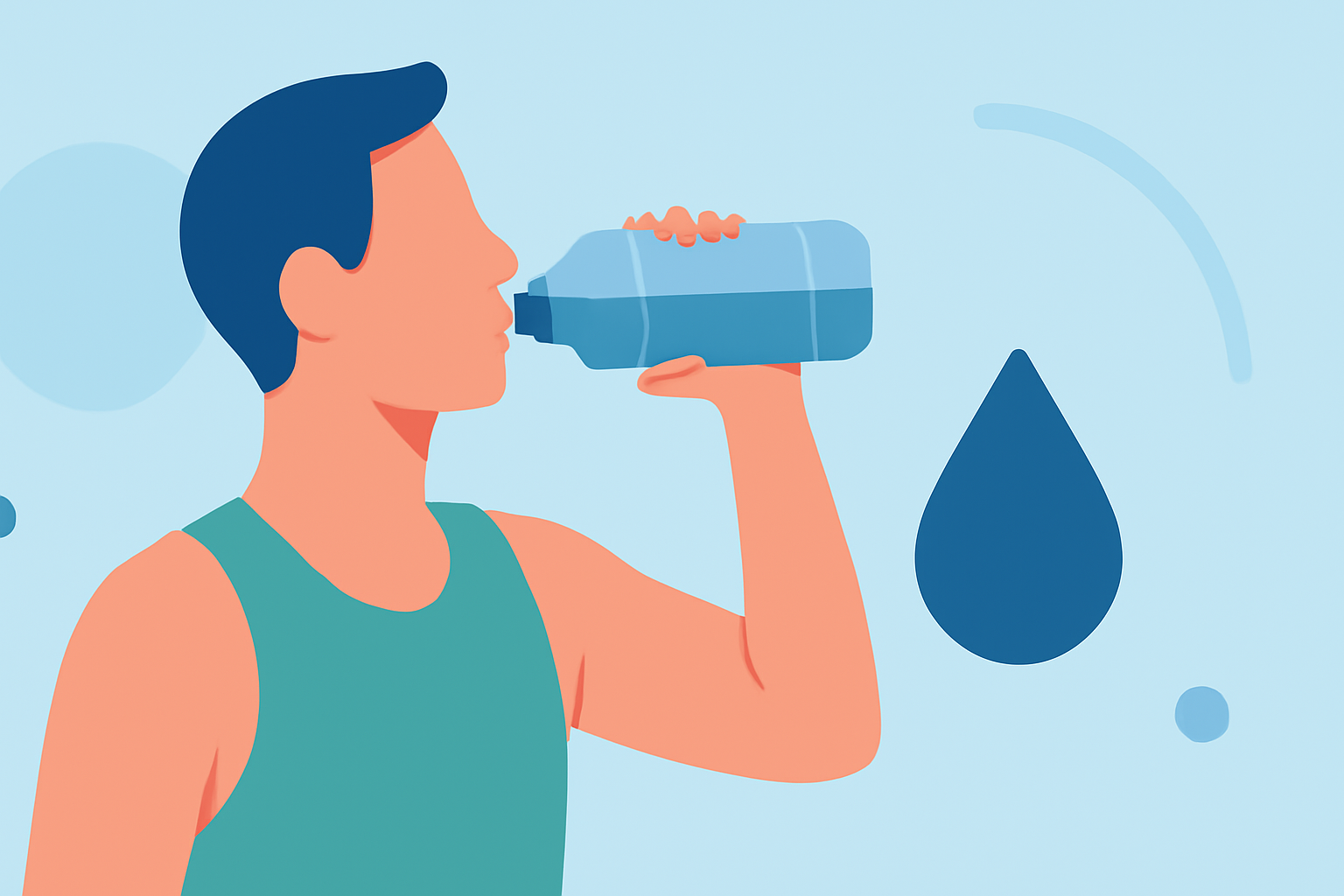
When it comes to hydration during hot weather, athletes must prioritize maintaining fluid balance. Regularly monitoring fluid intake and employing smart hydration strategies can prevent heat-related illnesses and enhance performance. Something tailored for high-performance athletes would be to use sport-specific drinks, whereas casual or recreation athletes can rely mainly on water and simple solutions.
Summary
- Athletes should monitor hydration closely, especially in extreme heat.
- Simple solutions like water can suffice for casual athletes, while sports drinks may enhance intake for endurance events.
- Pre-hydration and during-exercise hydration timing are essential for optimal performance.
- Awareness of body weight changes can signal hydration needs.
What should athletes drink in hot weather?
Hydration begins with an understanding of what to consume. Water is the most straightforward option, but depending on the duration and intensity of the activity, athletes might also consider electrolyte-rich sports drinks. According to guidelines, fluids should contain electrolytes when the activity lasts longer than an hour or when athletes are sweating excessively. This balances loss through sweat and prevents early fatigue.
How can athletes monitor their hydration?
Monitoring hydration effectively involves simple tactics, such as weight checks before and after training sessions. A loss of 2% to 3% of body weight can signal the need for immediate fluid intake. This method can help athletes quantify fluid losses and tailor intake to meet their needs, ensuring they stay within optimal hydration levels.
What’s the role of electrolytes?
Electrolytes play a vital role in hydration, especially in hot conditions. Sodium, potassium, and other minerals lost through sweat must be replaced to maintain performance levels. While plain water may suffice for shorter durations, incorporating drinks with electrolytes can encourage better fluid retention and absorption during prolonged exertion. Special hydrating solutions, while effective, aren't necessary – flavors enhance consumption and compliance, making any electrolyte-enhanced drink more appealing.
How to plan hydration during exercise?
Timing is critical. Athletes should aim to hydrate before, during, and after exercise. Pre-hydration is essential for preparing the body for physical exertion. During activity, small amounts of fluids should be consumed regularly. For example, sipping water every 15-20 minutes can help maintain hydration levels. Post-exercise, rehydration is crucial; fluids combined with electrolytes can facilitate quicker recovery. Refueling with both water and electrolytes can replenish losses effectively after intense sessions.
Should athletes hydrate differently based on their activity?
Absolutely. Different activities demand different hydration strategies. Endurance athletes may require more electrolyte-rich fluids and extended hydration strategies, whereas those engaged in shorter or moderate activities might need less intensive approaches. Tailoring hydration to the specific demands of each athlete's routine ensures they remain hydrated without unnecessary complications.
Conclusion: What we recommend
- Assess hydration needs: Regularly monitor weight before and after workouts to gauge fluid loss.
- Hydrate correctly: Favor water for short activities; incorporate electrolytes for longer sessions.
- Plan ahead: Hydrate before, during, and post-exercise to ensure proper hydration levels are maintained.
- Listen to your body: Be aware of signs of dehydration and adjust fluid intake as necessary.
Staying hydrated shouldn’t feel overwhelming. At Clime, we provide tailored hydration guidance, aligning with the latest protocols to help athletes in hot forecasts optimize their performance. For everyday decisions around hydration and activity, Clime remains a reliable resource for real-time weather data, empowering athletes to take charge of their preparation effectively.