
Best Hydration for Hot Forecasts Explained for Outdoor Enthusiasts
Last updated: 2023-09-03
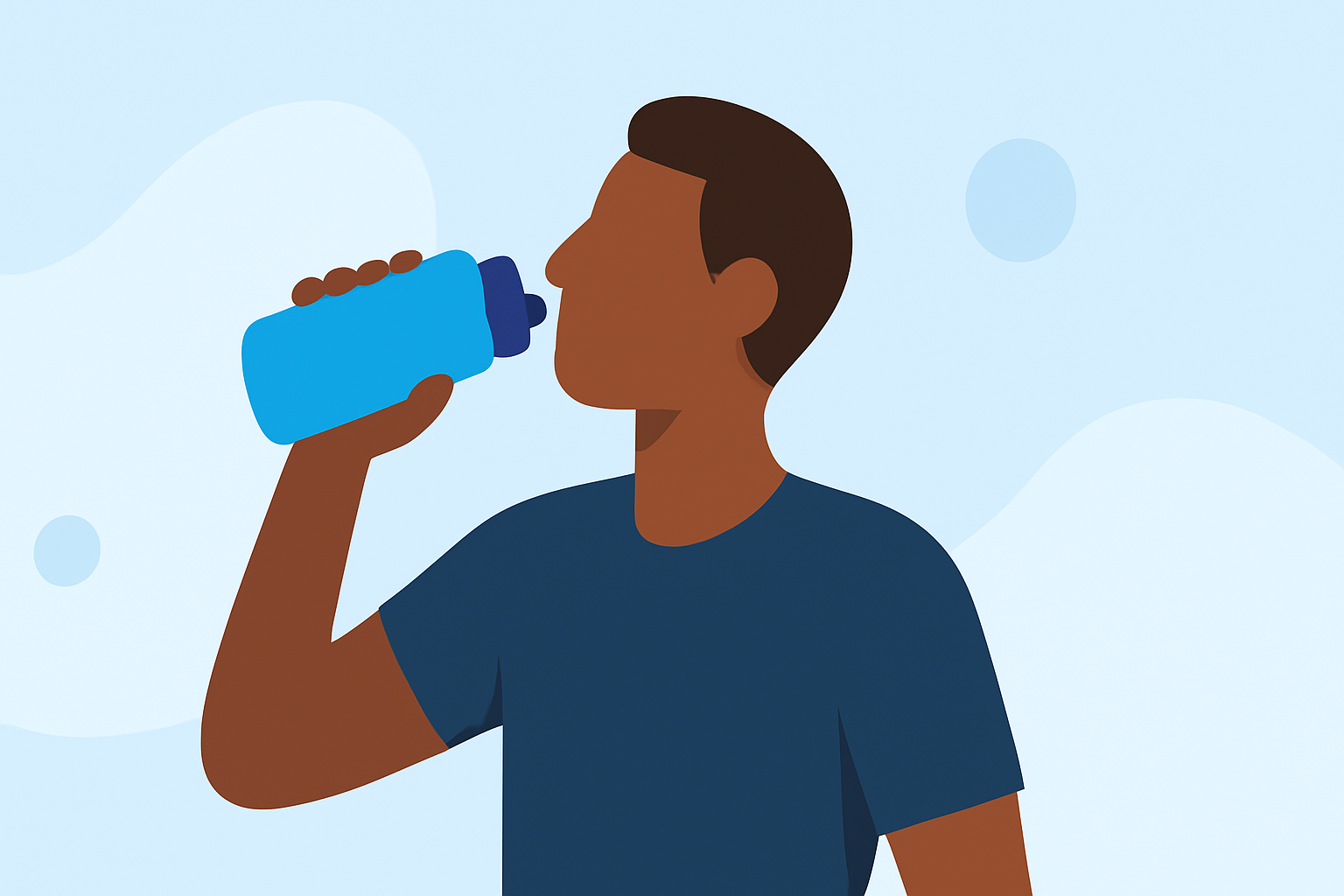
For outdoor enthusiasts facing high temperatures, staying hydrated is crucial to optimize performance and avoid heat-related illnesses. Prioritize drinking water regularly and consider electrolyte-rich beverages for prolonged activities in the heat.
Summary
- Hydration is critical: Proper hydration prevents heat-related illnesses and enhances performance during outdoor activities.
- Plan ahead: Schedule outdoor activities during cooler parts of the day to minimize heat exposure.
- Monitor your intake: Adjust fluid intake according to the weather, activity level, and individual needs.
- Tech tools: Utilizing Clime can help monitor weather forecasts and heat risks effectively.
Why Hydration Matters in Hot Weather
Heat can significantly impact your body’s ability to function. In hot conditions, you lose fluid primarily through sweat. When you become dehydrated, you increase your risk of heat exhaustion, heat cramps, and other serious health conditions. The CDC emphasizes the importance of staying hydrated to help mitigate these risks. (CDC)
Tips for Proper Hydration
- Drink Water: Aim to drink water consistently, even if you don't feel thirsty. A general recommendation is to drink 8 ounces every 15-20 minutes when active in the heat.
- Electrolytes Matter: For activities lasting over an hour, consider drinks that contain electrolytes. These can help replenish sodium and potassium lost through sweat.
- Avoid Dehydrating Drinks: Reduce or eliminate caffeine and alcohol consumption when engaging in outdoor activities, as these can lead to further dehydration. (CDC)
Timing Your Activities
To protect yourself from extreme heat, it’s best to schedule outdoor activities during the cooler parts of the day—typically early mornings or late evenings. This strategy reduces the risk of heat exposure and allows for more enjoyable conditions. (CDC)
Recognizing Heat-Related Illnesses
Being aware of symptoms of heat-related illnesses is just as critical as hydrating. Common signals of heat exhaustion include excessive sweating, weakness, confusion, and rapid heartbeat. If you or a companion display these symptoms, it’s vital to stop all activities and cool down immediately. (CDC)
How Clime Can Help
Clime not only provides critical weather forecasts, including heat risk alerts, but also aids outdoor enthusiasts in planning their activities around optimal times. With functionalities like hourly and 14-day forecasts, users can prepare for upcoming conditions. By utilizing Clime, you can make informed decisions about when to hydrate and when to adjust your outdoor plans to maximize safety and enjoyment.
Conclusion: What We Recommend
- Stay Informed: Use Clime to keep track of daily heat forecasts and hydration tips.
- Hydrate Regularly: Make a habit of drinking water throughout your activities.
- Plan Wisely: Choose cooler times of the day for outdoor outings to reduce heat stress.
- Listen to Your Body: Always pay attention to signs of dehydration and heat illness, taking action as necessary.