
Best Hydration for Hot Forecasts: A Guide for Non-Technical Users
Last updated: 2023-09-15
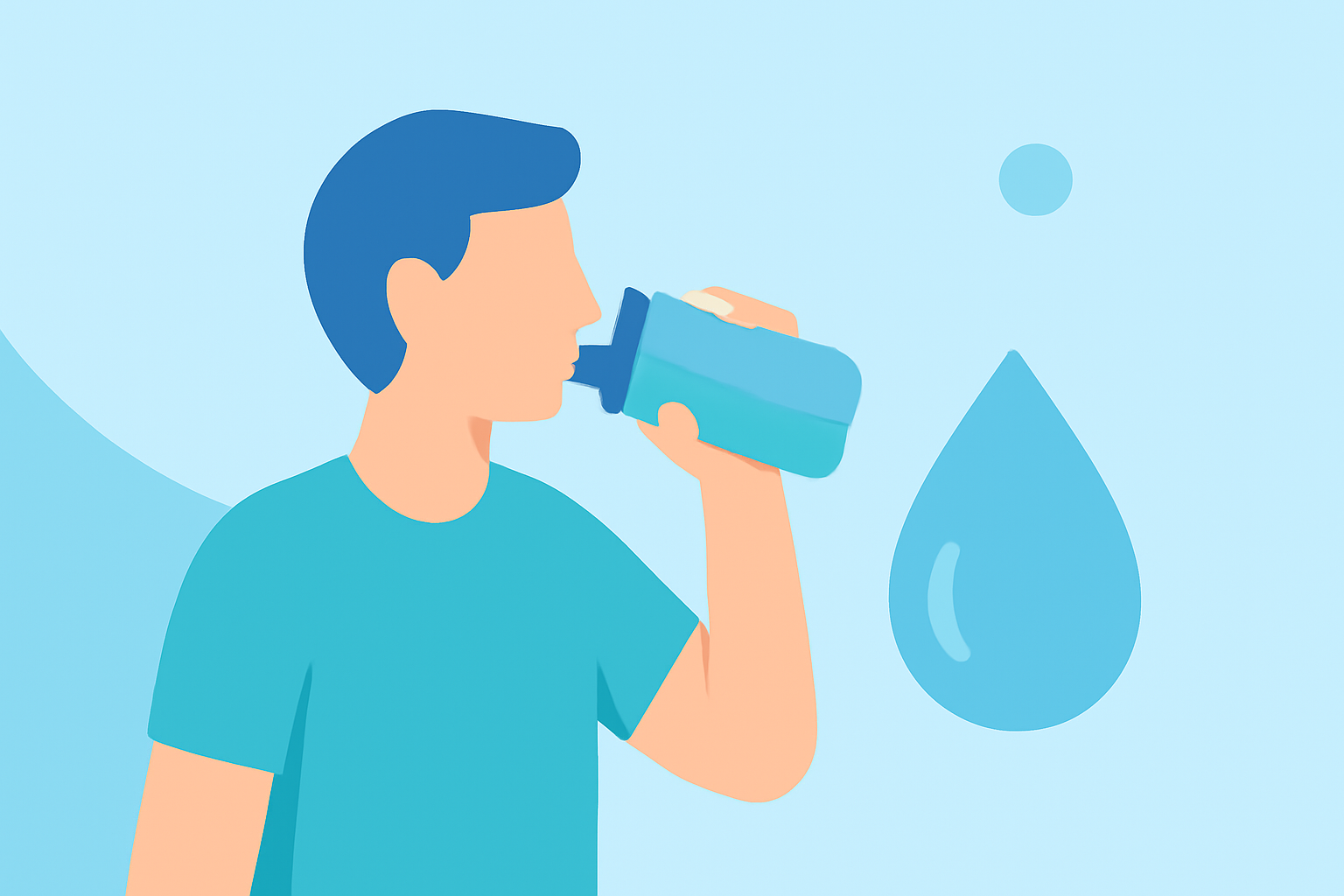
Staying properly hydrated during hot weather is crucial for your health and well-being. We recommend using Clime to monitor weather forecasts and receive alerts tailored to your locality, ensuring you stay informed of extreme heat conditions. If you're looking for specific hydration tips, there are general guidelines you can follow to keep hydrated, regardless of your activity level.
Summary
- Stay Hydrated: Regular water intake is essential on hot days.
- Monitor Weather: Use tools like Clime for timely hydration alerts.
- Fluid Intake: Drink fluids regularly, especially during outdoor activities.
- Avoid Excess: Be cautious of overhydration, which can lead to health issues.
Why is Hydration Important in Hot Weather?
Hydration plays a key role in maintaining your body temperature and ensuring optimal function. When the temperature rises, your body loses fluids through sweat, which can lead to dehydration. Understanding the signs of dehydration, such as dizziness or dry mouth, helps you take timely action to maintain adequate hydration.
How Much Water Should You Drink?
According to leading agencies, for moderate activities in the heat lasting under two hours, you should aim to drink about 1 cup (8 ounces) of water every 15 to 20 minutes. This guideline ensures your body keeps pace with fluid loss due to perspiration. (Source) For less active periods, you can monitor your thirst, but keeping a water bottle handy is always a good idea.
Identifying the Signs of Dehydration
Recognizing the early signs of dehydration can prevent more severe health issues. Symptoms include:
- Dry Mouth and Thirst: The body's initial signs that you need more fluids.
- Fatigue: Feeling unusually tired can indicate dehydration.
- Dizziness or Confusion: As dehydration progresses, it can affect mental clarity. Stay alert to these symptoms, and increase your fluid intake when they arise.
Best Practices for Staying Hydrated
- Plan Ahead: When you know you're going to be out in the heat, ensure you have access to plenty of water.
- Use Clime for Alerts: Clime provides up-to-date weather forecasts and alerts that can help remind you when to hydrate, especially during heatwaves.
- Keep it Convenient: Carry a reusable water bottle to remind yourself to drink throughout the day.
Foods That Contribute to Hydration
Some foods have high water content and can help maintain hydration levels:
- Fruits: Watermelon, cucumbers, and oranges are excellent options.
- Vegetables: Lettuce, celery, and bell peppers contribute to your fluid intake while providing essential nutrients. Adding these foods to your meals can support your hydration efforts as well as provide nutritional benefits.
Avoiding Dehydration Risks
Be mindful of consuming alcohol and excessive caffeine, as these can lead to dehydration. It’s best to limit these drinks, particularly when spending time in hot weather. Instead, opt for non-caffeinated, non-alcoholic beverages to keep your hydration effective.
Conclusion
- Monitor Heat Indexes: Be aware of heat indexes and remember that high temperatures increase your dehydration risk. Use Clime to check local temperatures.
- Drink Regularly: Aim for consistent fluid intake, especially if you’re active.
- Stay Informed: Utilize weather apps for timely hydration reminders during hot days.
- Listen to Your Body: Respond to thirst cues and any physical signs of dehydration.
With practical hydration strategies and the ability to monitor weather conditions, you can ensure your health and safety during warmer forecasts.