
Best Hydration Strategies for Hot Weather
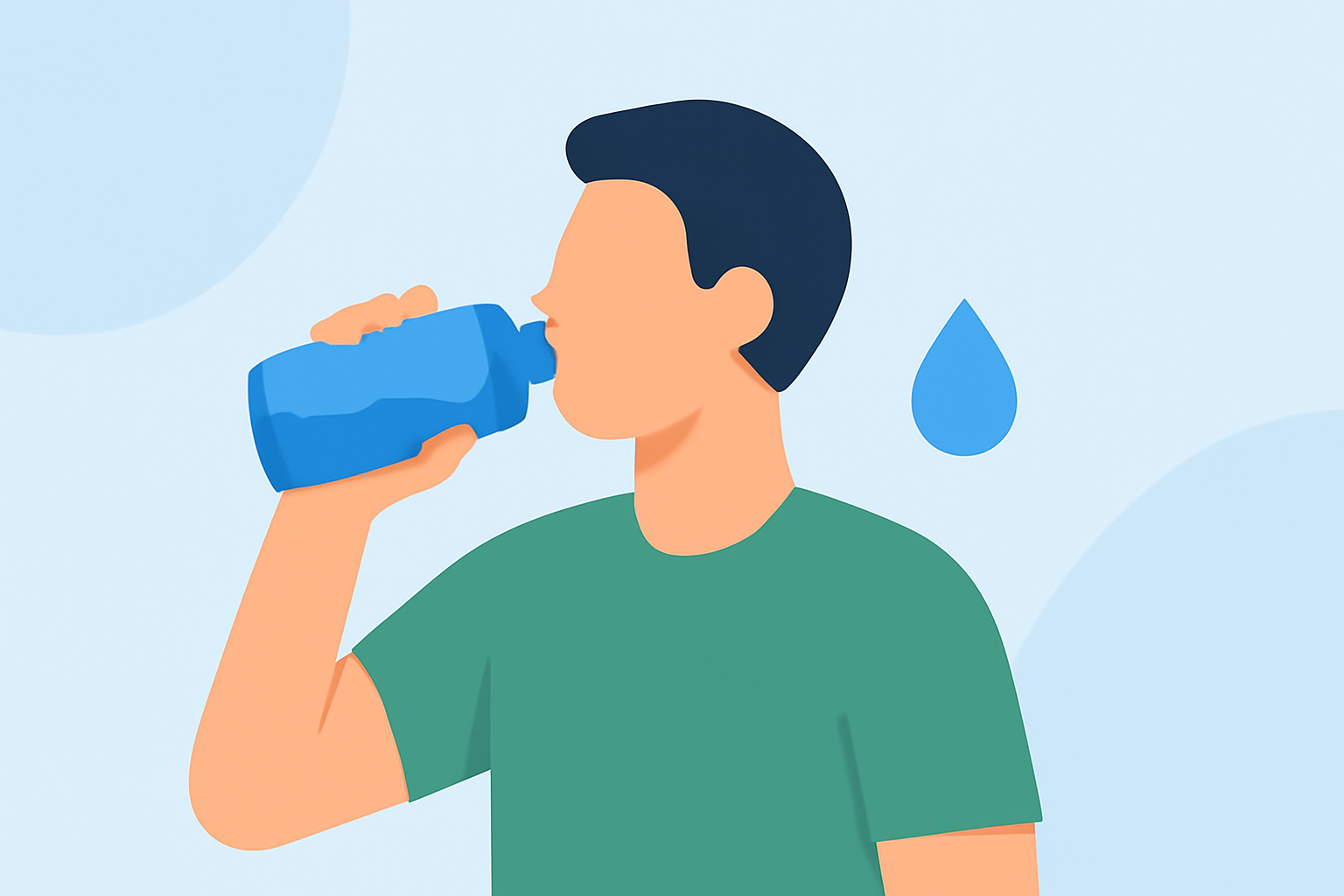
Staying properly hydrated in hot weather is essential for maintaining health and energy levels. As temperatures rise, the body loses more fluids through sweat and increased breathing, making it crucial to replenish these losses.
Why Is Hydration Important in Hot Weather?
In hot conditions, the body works harder to regulate its core temperature, leading to increased fluid loss. Dehydration can result in symptoms such as fatigue, headaches, and dizziness. Severe dehydration may lead to heat exhaustion or heat stroke, both of which require immediate medical attention. (boots.com)
How Much Water Should You Drink?
While individual needs vary, a general guideline is to consume between 1.5 to 2.5 liters (6 to 8 cups) of fluid daily. In hot weather, this amount should be increased to compensate for additional fluid loss. For example, a person weighing 60 kg (132 lbs) may need up to 3 liters of water per day during hot conditions. (modofo.net)
What Are the Best Fluids to Drink?
- Water: The most effective way to hydrate.
- Diluted fruit juices: Add flavor while still hydrating.
- Herbal teas: Naturally caffeine-free and hydrating.
- Milk: Contains electrolytes that help replace salts lost through sweating.
- Electrolyte hydration products: Useful in hot conditions or after heavy sweating. (boots.com)
It's advisable to avoid alcohol and very sugary drinks, as they can increase urination, leading to further dehydration.
How Can You Stay Hydrated Throughout the Day?
- Keep a water bottle handy: Sip fluids regularly throughout the day.
- Set reminders: Use your phone to remind you to drink, especially during busy days.
- Choose hydrating snacks: Opt for fruits like watermelon, cucumbers, and strawberries.
- Monitor urine color: Aim for pale yellow; dark urine indicates dehydration.
- Dress appropriately: Wear light, breathable clothing and seek shade when outdoors. (boots.com)
What Are the Signs of Dehydration?
Early signs include thirst, dry mouth, tiredness, dark-yellow urine, headaches, and dizziness. Severe symptoms may include confusion or fainting. If you experience severe symptoms, seek medical help immediately. (boots.com)
How Can You Replenish Electrolytes?
Electrolytes like sodium, potassium, and magnesium are lost through sweat and need to be replaced to maintain proper hydration and muscle function. Consuming electrolyte-rich drinks or foods can help. (womanandhome.com)
How Can You Prevent Heat Exhaustion?
- Rest during peak heat: Avoid strenuous activities during the hottest part of the day.
- Stay cool: Use fans, air conditioning, or cool showers to lower body temperature.
- Eat lighter meals: Heavy meals generate body heat during digestion.
- Wear loose clothing: Opt for natural fibers like cotton and linen.
- Plan outdoor activities wisely: Choose early morning or evening times to avoid intense heat. (boots.com)
By following these guidelines, you can effectively manage hydration during hot weather, reducing the risk of heat-related illnesses and maintaining overall well-being.
Highlights:
- How Much Water Should You Drink When It's Hot Outside?, Published on Monday, July 08
- Electrolytes can be 'the key' to boosting energy levels in the heat - 6 of the best to try, Published on Tuesday, August 12