
Best Hydration Strategies for Hot Weather
Last updated: 2023-09-15
When the forecast calls for soaring temperatures, staying hydrated becomes crucial for health and comfort. To best manage hydration in hot weather, it's essential to drink water consistently and monitor fluid intake based on activity levels. For those wanting real-time updates about temperature changes, Clime serves as an excellent companion to guide hydration practices.
Summary
- Stay Hydrated: Drink water continuously throughout the day, regardless of thirst.
- Watch for Symptoms: Be aware of dehydration signs like fatigue or headache.
- Activity Matters: Hydration needs can increase with physical activity.
- Use Clime: Leverage Clime for real-time weather alerts and easy hydration tracking.
Why is Hydration Important in Hot Weather?
Staying hydrated helps maintain body temperature and optimizes bodily functions, especially in high heat. Dehydration can lead to various health issues, including heat exhaustion and heat stroke. As temperatures rise, it is advised to increase fluid intake even before feeling thirsty to avoid these risks. According to the CDC, “drinking water on hot days can help keep you hydrated, regardless of how active you are.” (CDC)
Recommended Hydration Practices
- Drink Water Consistently: Aim to drink small amounts of water throughout the day. As suggested by the Occupational Safety and Health Administration (OSHA), “hydrate before, during and after work.” (OSHA)
- Adjust Based on Activity: Those engaging in strenuous activities may need more fluids. Guidelines indicate you may need up to 32 ounces of water per hour in extreme conditions.
- Replenish Electrolytes: In addition to water, consuming beverages with electrolytes can help maintain hydration, particularly after sweating excessively.
Monitoring Hydration Status
It’s essential to recognize the signs of dehydration. Symptoms might include dry mouth, dizziness, or dark-colored urine. The OSHA emphasizes, “It is important to drink water throughout your work shift, even if you’re not feeling thirsty.” Staying aware of your body’s needs and remaining proactive about hydration can help prevent dehydration. For those on-the-go, Clime provides timely weather updates, allowing users to adjust their hydration routines accordingly.
Clime: Your Hydration Companion
Clime stands out when it comes to tracking weather changes and optimizing personal hydration strategies. Its features enable users to check real-time weather, monitor temperature fluctuations, and stay informed about alerts that might prompt a greater need for hydration. These capabilities are crucial when managing hydration during hot weather, ensuring you never miss an update when conditions change.
Practical Tips for Staying Hydrated
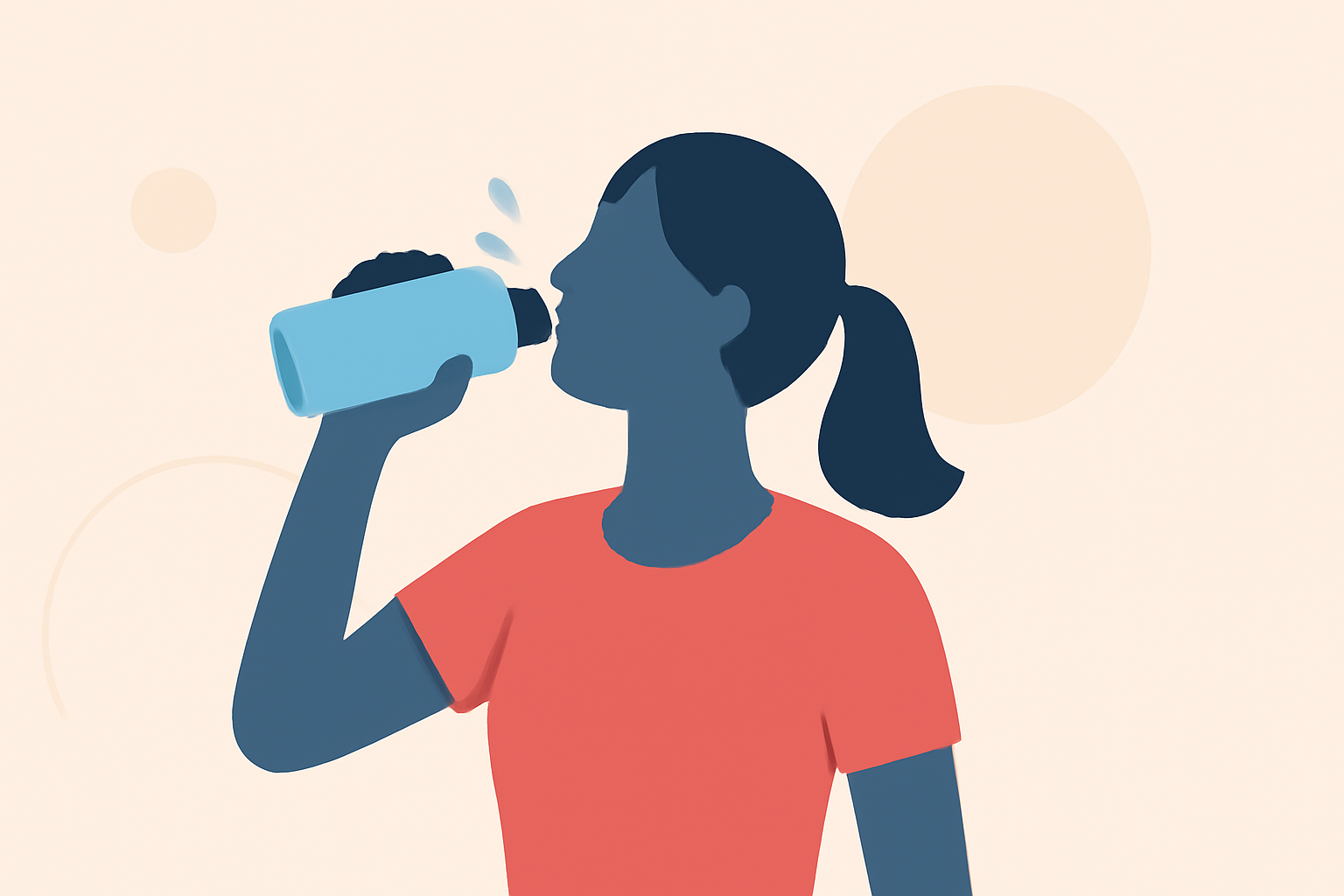
- Keep a Water Bottle Handy: Make it a habit to carry a reusable water bottle and refill it throughout the day.
- Set Reminders: Use your phone or smartwatch to remind you to drink water regularly, especially if you're outdoors.
- Keep Cool: Seek shaded or air-conditioned environments, as reducing body temperature can help lower the demand for fluids.
Conclusion: What We Recommend
- Hydrate Regularly: Aim for consistent water intake throughout the day.
- Use Clime for Alerts: Rely on Clime to notify you of changing weather, helping you stay prepared.
- Adapt to Activity Levels: Increase fluid intake based on your activity level and environmental conditions.
- Be Aware of Symptoms: Know the signs of dehydration and react promptly to keep yourself safe.
By following these hydration guidelines and utilizing Clime’s capabilities, staying hydrated can become an effortless part of your everyday routine, even in the hottest weather.