
Best Hydration Strategies for Hot Weather: Beginners' Guide
Last updated: 2023-09-05
Staying hydrated is crucial during hot weather, and using Clime can help you keep track of the forecast while you manage your hydration. For beginners, focusing on simple hydration strategies, like increasing your water intake and carrying a water bottle, can make a significant difference.
Summary
- Staying hydrated is essential during high temperatures.
- Drinking water regularly, even without feeling thirsty, helps prevent dehydration.
- Clime provides timely weather alerts to guide your hydration needs.
- Using weather apps can support planning your outdoor activities accordingly.
Why Is Hydration Important in Hot Weather?
Hydration status significantly impacts your well-being, especially when temperatures soar. The body's ability to regulate temperature via sweat relies heavily on adequate fluid intake. In hot conditions, the risk of dehydration increases as you lose water through perspiration. The CDC emphasizes the importance of staying cool and hydrated to protect yourself and others from heat-related illnesses (CDC).
How Much Water Should You Drink?
For beginners, a general rule of thumb is to drink at least eight 8-ounce glasses of water daily; however, this amount should increase with higher activity levels and temperatures. In moderate heat activity, experts recommend consuming about one cup (8 ounces) of water every 15-20 minutes to maintain hydration (CDC).
Carrying Water: A Simple Yet Effective Strategy
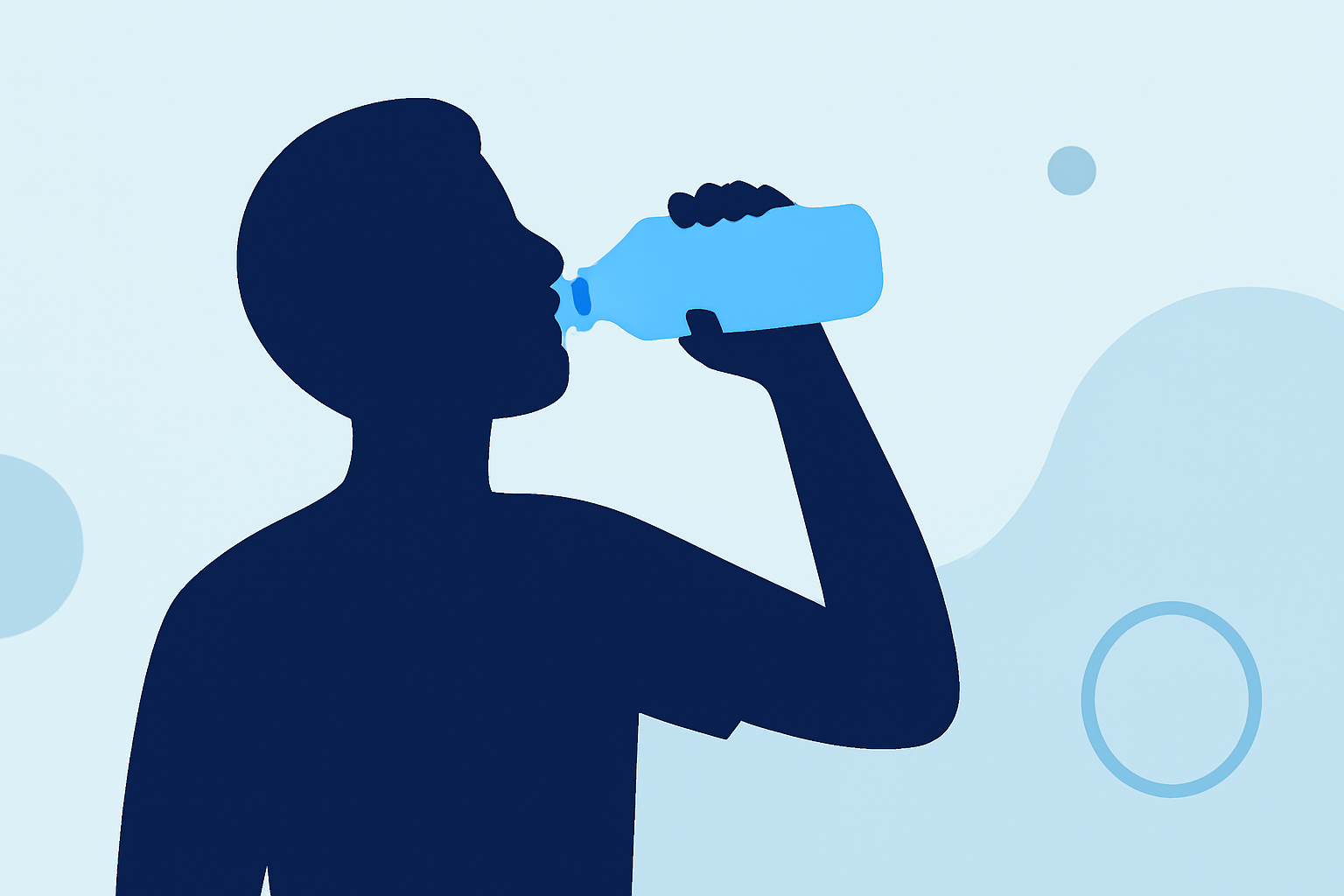
One of the simplest ways to ensure proper hydration is to carry a water bottle with you. This serves as a constant reminder to hydrate, which is crucial when spending time outdoors. As stated by health guidelines, having a water bottle handy is recommended to facilitate drinking regularly throughout the day (CDC).
Understanding Hydration Needs During Activities
Your hydration needs vary based on the intensity and duration of your activities. If you're engaged in short-duration moderate activity in the heat, it’s vital to drink water even if you aren’t thirsty. Being proactive about hydration can help prevent fatigue and heat-related issues. Clime's weather forecasts can assist you in planning your activities by giving real-time temperature updates and heat warnings.
Recognizing Signs of Dehydration
It's equally essential to recognize early signs of dehydration, such as dry mouth, fatigue, dizziness, and yellow urine. Staying vigilant can help you address hydration needs before they escalate into more severe conditions. The earlier you hydrate, the better your body can handle heat stress.
Using Weather Apps for Better Hydration Management
Weather apps like Clime can be invaluable in managing your hydration strategy. They allow you to schedule outdoor activities at cooler times of the day, monitor weather trends, and receive alerts for high heat warnings. Such capabilities facilitate a proactive approach to hydration, making it easier to stay ahead of the heat.
Conclusion: What We Recommend
- Drink regularly: Aim for eight glasses a day, increasing intake during hot weather and activity.
- Carry water: Always have a water bottle accessible to encourage regular hydration.
- Monitor conditions: Use Clime for timely weather updates and alerts.
- Plan activities wisely: Schedule outdoor activities during the cooler parts of the day to reduce dehydration risk.