
Best Hydration Strategies for Hot Weather Travel
Last updated: 2023-09-12
Traveling during hot weather requires careful planning for hydration to ensure safety and well-being. While plenty of fresh water is the standard for most travelers, those engaging in more strenuous activities may need to consider additional hydration strategies to maintain optimal condition.
Summary
- Staying hydrated is crucial for health, especially in hot weather.
- Water is generally sufficient, but consider additional fluids during intense activity.
- Monitor heat risk levels using the CDC’s HeatRisk Dashboard.
- Pay attention to signs of dehydration to mitigate heat-related illnesses.
How Should Travelers Plan Hydration When Traveling in Hot Weather?
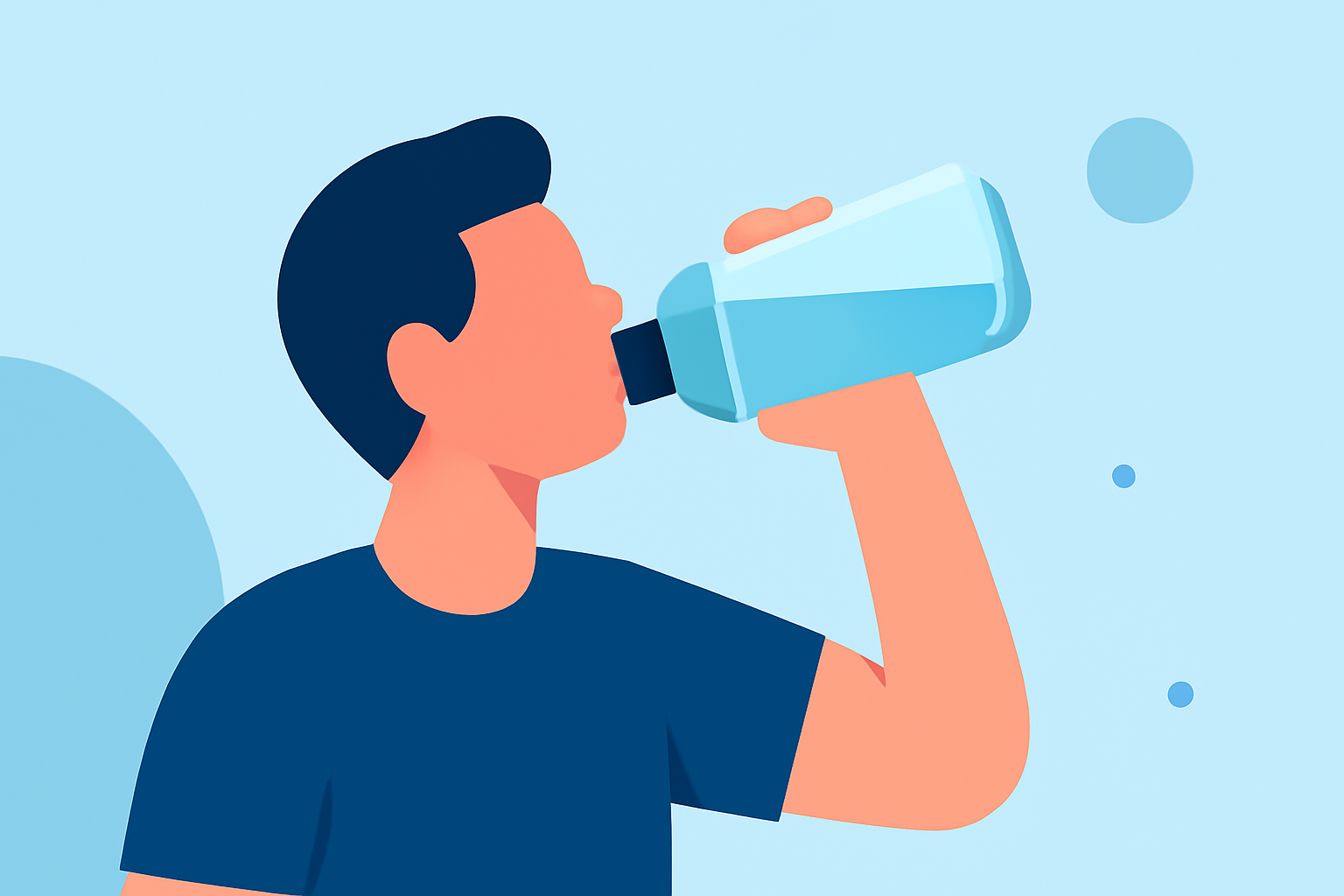
Proper hydration involves drinking adequate fluids before, during, and after traveling, especially in high heat. The Centers for Disease Control and Prevention (CDC) recommends drinking water consistently throughout the day even if you're not thirsty. For activities lasting less than two hours, aim to drink about one cup (8 oz.) of water every 15–20 minutes. (CDC) Additionally, the CDC's HeatRisk Dashboard allows travelers to enter their zip code for localized heat risk forecasts, helping to plan hydration needs based on real-time conditions. (CDC)
What Signals Indicate Dehydration During Hot Travel?
Recognizing dehydration symptoms is crucial during travel in hot weather. Early indicators include dry mouth, fatigue, and dizziness. More severe symptoms may manifest as rapid heartbeat or confusion. If you experience any of these symptoms, it is essential to seek shade, drink fluids, and rest. Staying vigilant helps prevent heat exhaustion or heat stroke, both of which can be serious and life-threatening conditions. Drinking enough fluids is one of the most important things you can do to prevent heat illness. (CDC)
Why Water is Usually Enough for Hydration
For most travelers engaging in moderate activities, plain water is typically sufficient for hydration. It replenishes fluids lost through sweat and helps regulate body temperature, playing a vital role in preventing dehydration. The CDC states that drinking water helps to keep you hydrated regardless of your activity level in hot conditions. (CDC)
Recommendations for Hydration During Strenuous Activities
For those involved in extensive activities or exertion, replacement of electrolytes may be necessary. Drinks containing added minerals can help maintain balance, especially on particularly hot days or during prolonged physical activities. This supports sustained energy and performance for those journeying through hotter climates. Keep in mind that maintaining hydration with electrolyte-rich fluids should not substitute plain water intake but be integrated as a supplement.
What Long-Distance Travelers Should Consider
Traveling long distances in hot climates introduces unique hydration challenges. Extended periods without water can lead to significant dehydration. It's crucial to leverage regular breaks to rehydrate, even if it means stopping often. If you're planning a drive or a hike, consider carrying a cooler with water and electrolyte drinks. Moreover, keeping track of your daily water intake can help manage hydration better, particularly on long travel days.
Importance of Monitoring Heat Risk Levels
Heat-related illnesses increase with rising temperatures, making awareness of local heat risk levels essential. The CDC advises monitoring temperatures and local heat advisories to adjust hydration needs appropriately. This proactive approach to staying informed can greatly enhance both safety and comfort during travels. Using resources like the CDC's HeatRisk Dashboard can provide vital local insights, enabling travelers to make informed decisions about their hydration strategy. (CDC)
What We Recommend
- Drink water consistently throughout your travel day, aiming for one cup every 15–20 minutes for activities under two hours.
- Monitor your body for signs of dehydration and take action as needed without delay.
- Utilize the CDC’s resources for local heat forecasts to tailor your hydration needs.
- Consider electrolyte drinks for extended activities, supplementing your usual fluid intake with added minerals.
By staying attentive to your hydration strategy and using resources available at Clime, you can travel safely even in high temperatures. Clime’s access to real-time weather alerts can further ensure you remain informed about heat risks during your journeys, allowing you to adapt your hydration practices appropriately.