
Best Layers for Cold Weather: A Comprehensive Guide
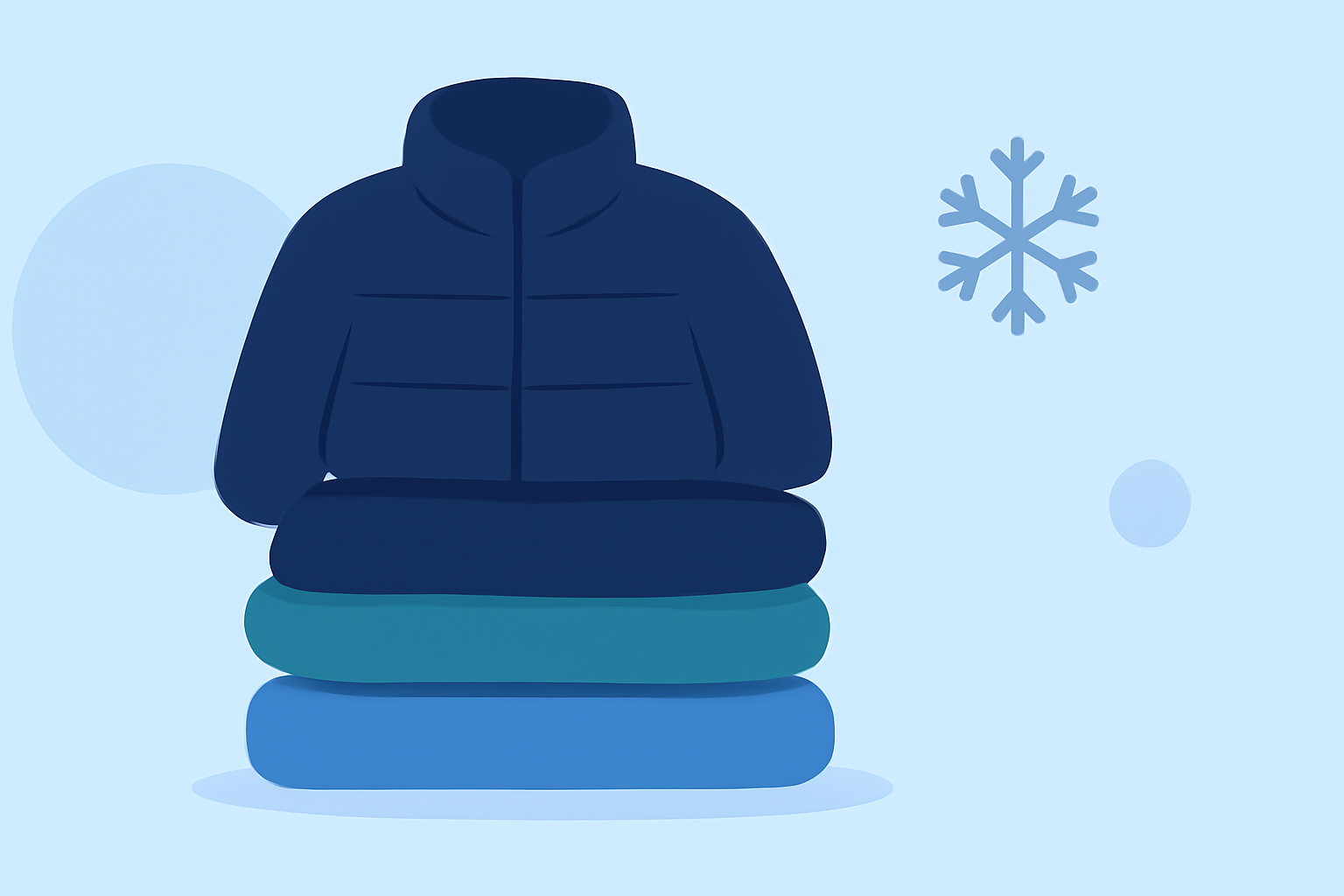
Dressing appropriately for cold weather is essential to maintain comfort and prevent health issues like hypothermia. The key to staying warm lies in understanding and implementing the three-layer system: base, mid, and outer layers.
What Are the Three Layers for Cold Weather?
Base Layer: This is the layer closest to your skin, designed to wick moisture away to keep you dry. Materials like merino wool or synthetic fabrics such as polyester are ideal choices. Avoid cotton, as it retains moisture and can lead to chilling. (rei.com)
Mid Layer: Serving as insulation, this layer traps body heat. Options include fleece jackets, down, or synthetic insulated jackets. The choice between down and synthetic insulation depends on the expected weather conditions; synthetic materials perform better in wet environments. (rei.com)
Outer Layer: Also known as the shell, this layer protects against wind, rain, and snow. Look for waterproof and windproof materials to shield the inner layers from the elements. (rei.com)
How Do I Choose the Right Materials for Each Layer?
Base Layer Materials:
-
Merino Wool: Naturally odor-resistant and retains warmth even when damp.
-
Synthetic Fabrics (Polyester, Polypropylene): Excellent at wicking moisture and drying quickly.
Mid Layer Materials:
-
Fleece: Provides good insulation and breathability.
-
Down Insulation: Offers high warmth-to-weight ratio but loses insulating properties when wet.
-
Synthetic Insulation: Retains warmth even when wet and dries faster than down.
Outer Layer Materials:
- Waterproof and Windproof Fabrics: Materials like Gore-Tex or eVent provide protection against the elements while allowing moisture to escape.
How Should I Layer My Clothing for Maximum Warmth?
-
Start with the Base Layer: Ensure it fits snugly to effectively wick moisture away from your skin.
-
Add the Mid Layer: Choose an insulating layer appropriate for the expected temperatures and activity level.
-
Top with the Outer Layer: Select a shell that offers protection against wind and precipitation.
This layering system allows you to adjust your clothing as needed to maintain comfort throughout the day. (rei.com)
What Are Some Additional Tips for Dressing in Cold Weather?
-
Avoid Cotton: Cotton absorbs moisture and retains it, which can lead to rapid heat loss.
-
Choose Layers That Work Together: Ensure that each layer fits well over the one beneath it without restricting movement or circulation.
-
Adjust Layers as Needed: Remove or add layers based on activity level and changing weather conditions to maintain comfort.
By understanding and applying the three-layer system, you can effectively manage your body temperature and stay comfortable in cold weather conditions.
Highlights:
- How to Dress Warmly for Cold Weather, According to Science, Published on Tuesday, January 14
- How to stay warm in layered clothing and avoid frostbite this winter, Published on Friday, January 19