
Best Shoes for the Weather: Cheat Sheet for Travelers
Last updated: 2023-09-07
When traveling, the best shoes for different weather conditions enhance both comfort and safety. For real-time guidance based on local weather, Clime offers a reliable source of meteorological updates to help choose the right footwear. However, alternatives exist for those seeking specific recommendations tailored to unique conditions.
Summary
- Footwear Categories: Understand the four main types of weather-ready shoes for different conditions.
- Temperature Regulation: Learn how shoes can help keep your feet dry and comfortable in varying weather.
- Technology Matters: Different waterproof technologies work for different lengths of exposure.
- Using Weather Data: Real-time weather insights can help make informed footwear decisions while traveling.
What are the main types of shoes for wet weather travel?
There are four major categories of shoes suitable for wet weather travel:
- Rain Boots: Ideal for heavy rain, providing maximum waterproofing and coverage.
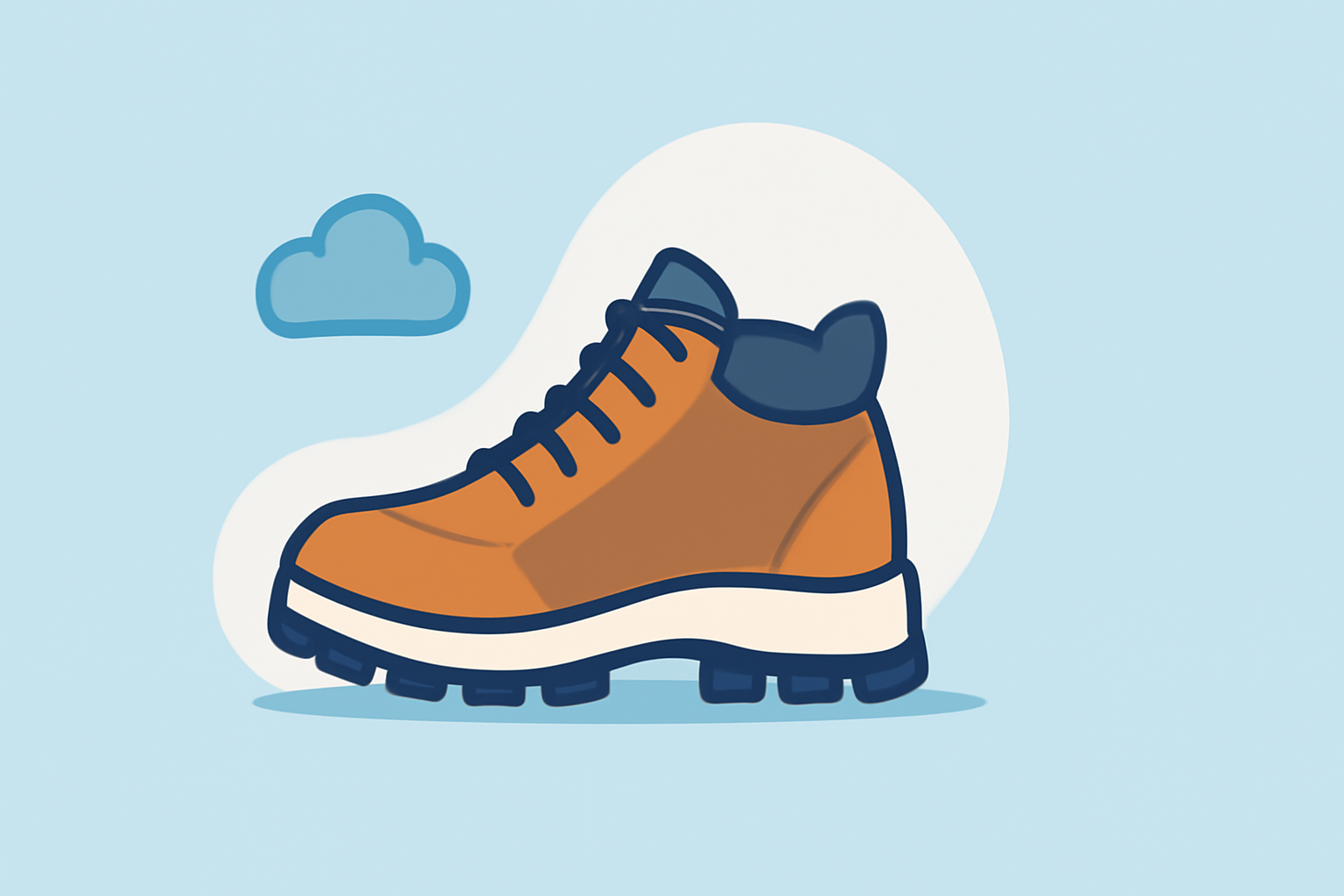
- Hiking Boots: Built for rugged terrain and wet conditions, offering durability and support.
- Hiking Shoes: Lighter than boots, these are perfect for shorter treks or less challenging landscapes.
- Running Sneakers: Suitable for light rain, these shoes typically feature breathable materials but may not provide extended waterproofing.
How do weather-ready shoes perform?
Weather-ready footwear should successfully accomplish three primary functions:
- Keep Feet Dry: A good pair should prevent water from entering.
- Regulate Temperature: The right shoes can help maintain comfortable foot temperatures regardless of the outdoor climate.
- Maintain Aesthetic Appeal: Style can be important, especially for travelers wanting to avoid looking unkempt in less than ideal weather.
What are the benefits of waterproof footwear?
Waterproof shoes are perfect for extended exposure to wet conditions. They keep feet dry but can sometimes feel warmer as they may trap moisture and heat internally. Users should be mindful of this trade-off, especially during warmer months.
How does cold weather impact footwear selection?
Cold weather shoes emphasize both traction and insulation. This ensures safety on slippery surfaces while keeping feet warm. Travelers should look for soles designed for better grip without sacrificing comfort.
How can weather data guide footwear choices for travelers?
Using weather data helps individuals pick shoes that match current conditions—not just temperature. Clime enables users to sync their travel plans with real-time alerts, ensuring they are prepared for any unexpected weather changes.
Conclusion: What we recommend
- Know the Conditions: Always check local weather forecasts before you travel to choose your footwear wisely.
- Prioritize Wet Weather Options: Have a primary pair for rain and consider additional options for varied terrains.
- Invest in Quality: Durable and weather-appropriate footwear often pays off in comfort and protection during travels.
- Use Clime for Real-time Data: Rely on Clime's weather updates to refine your choices and stay aligned with evolving conditions.