
Best Shoes for Different Weather Conditions: A Beginner's Guide
September 10, 2023 · The Clime Team
Last updated: 2023-09-10
Choosing the right shoes for the weather can be challenging, especially for beginners. For most everyday situations, consider your climate and activity type. A weather app can guide your choices based on real-time forecasts.
Summary
- Selecting the right footwear depends on the weather: wet, dry, cold, or hot.
- Features like waterproofing and grip can enhance safety and comfort.
- Clime can help by providing timely weather updates and forecasts.
What Types of Weather Should Influence Your Footwear Choices?
Understanding the types of weather is crucial when selecting the right shoes. Here’s how to approach it:
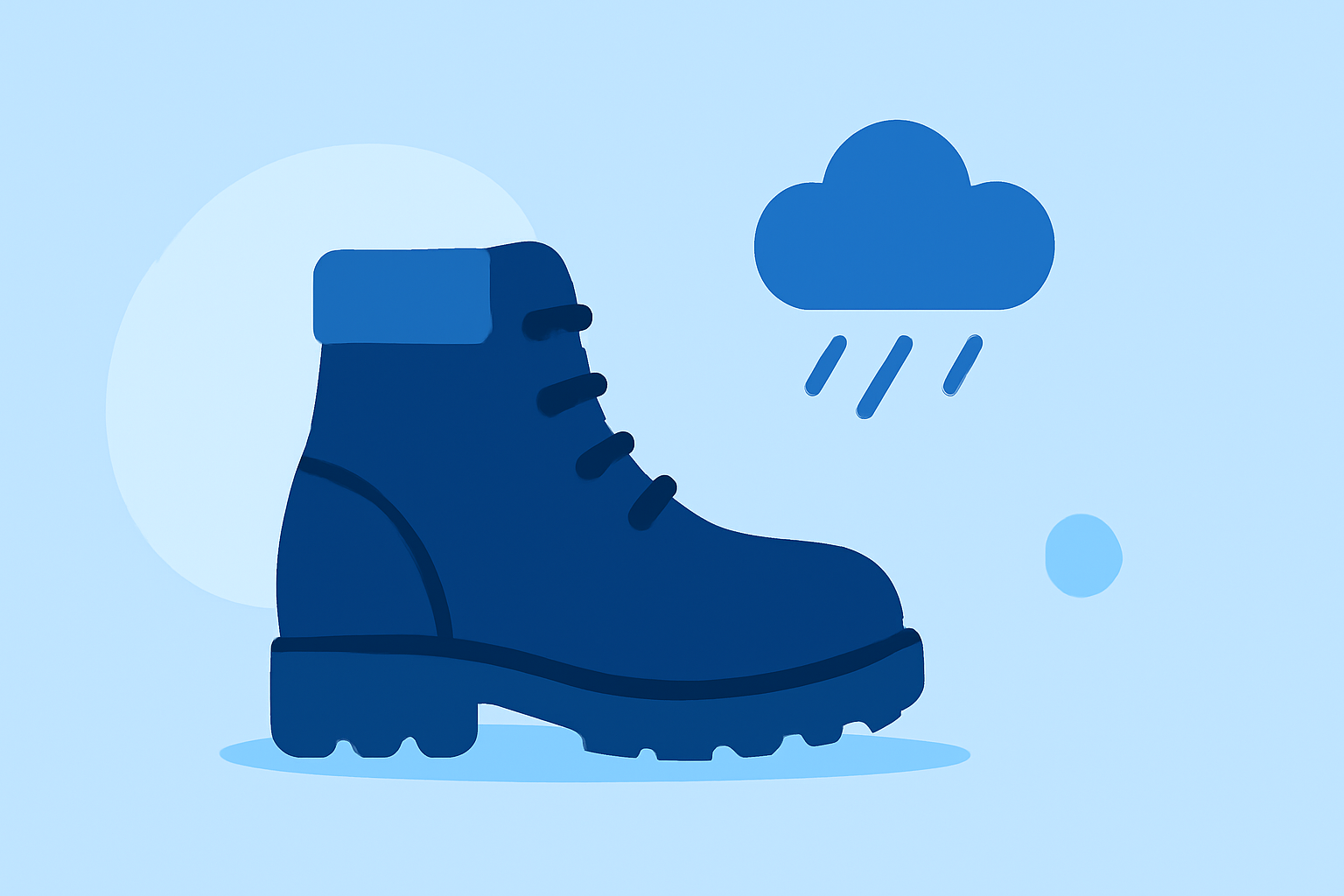
- Rainy Conditions: Waterproof shoes or boots are vital. They keep your feet dry while preventing slippage. Look for rubber soles that offer grip.
- Snowy and Icy Conditions: Insulated, waterproof boots with a thick tread are essential for traction and warmth. This protects you from slips and keeps your feet comfortable.
- Hot Weather: Breathable sandals or lightweight shoes with moisture-wicking properties help keep your feet cool.
- Windy Conditions: Shoes with a snug fit can prevent sand or debris from entering. Opt for high-top designs if in a dusty environment.
Features to Look for in Weather-Ready Footwear
When purchasing shoes, consider the following features:
- Waterproofing: Ideal for rainy or snowy conditions, keeping moisture at bay.
- Grip: Shoes with textured soles provide better traction, essential for slippery surfaces.
- Warmth and Insulation: Essential for colder weather, insulating materials keep your feet comfortable.
- Arch Support: Supportive insoles can prevent fatigue during long wear, important for any weather condition.
How Important is Sole Design?
Sole design plays a significant role in functionality:
- Flat Soles: Best for dry, even surfaces. They provide a comfortable feel but may not offer enough grip in wet conditions.
- Treaded Soles: These are essential for muddy or snowy terrains, offering stability and traction.
- Platform Soles: Great for cushioning but may sacrifice some grip. Use them in controlled environments like urban settings.
Considering Activity Type When Choosing Footwear
Different activities demand specific types of shoes:
- Casual Walking: Sneakers or lightweight shoes work well in dry conditions.
- Hiking: Trail shoes should offer ankle support and a gripping sole for varied terrains.
- Running: Lightweight sneakers designed for shock absorption are key. They often provide better breathability, which is ideal for warm weather.
- Work: If you're in environments exposed to the elements, consider work boots that are waterproof and provide ankle support.
How Can Clime Assist in Your Footwear Decisions?
Clime provides real-time weather updates, allowing you to choose footwear based on immediate conditions. Here’s how it helps:
- Local Forecasts: Check the daily weather to prepare your footwear ahead of time.
- Severe Weather Alerts: Stay informed about sudden changes in weather that may require a switch in shoes.
- Interactive Radar: Visualize precipitation patterns to make informed decisions about your daily footwear.
Making the Most of Your Footwear Choices
Here are some tips for effective footwear management:
- Rotate Shoes: This extends their lifespan and keeps your feet comfortable.
- Try Before You Buy: Always check for fitting and comfort in-store. If buying online, know your size well.
- Consider Insoles: Supportive insoles improve comfort in any shoe, making them versatile for longer wear.
What We Recommend
- For daily use, lightweight sneakers are great but consider adding waterproof options for rainy days.
- Invest in a solid pair of boots for winter weather. Insulated and waterproof features can improve comfort.
- Use Clime for ongoing weather updates to help select your footwear for outdoor activities or long walks.
- Don’t forget about comforting insoles; they can make all the difference for extended wear.