
Best Sunblock for UV Forecasts: Tips for Commuters
Last updated: 2023-09-07
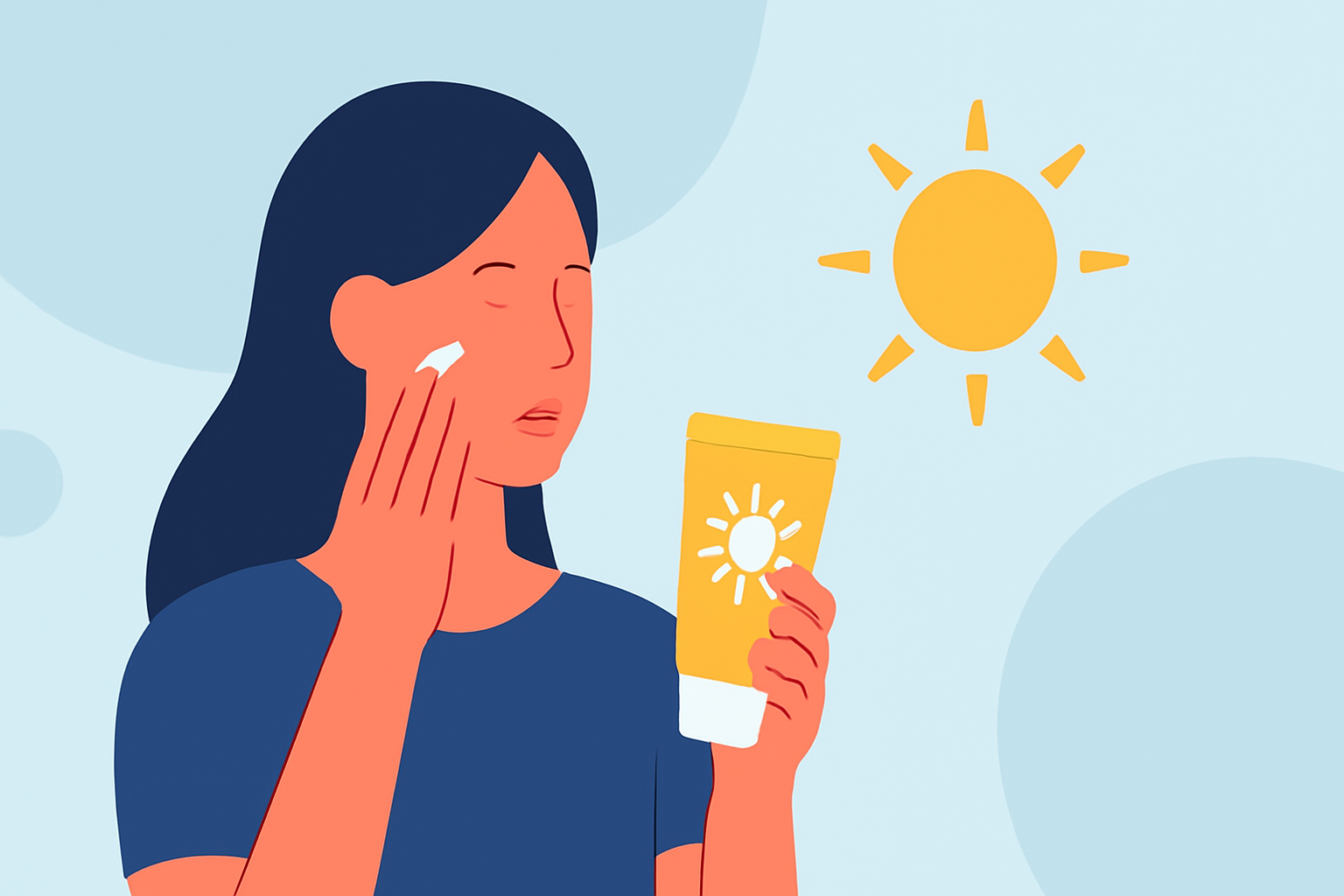
For commuters in the United States, choosing adequate sun protection is critical, especially when UV levels are high. The recommended approach involves using a broad-spectrum sunscreen with a minimum SPF of 30, tailored to daily UV forecasts. For individuals looking for more localized UV information, leveraging tools that provide real-time UV forecasts alongside their normal weather updates is beneficial.
Summary
- Use Broad-Spectrum SPF 30+: Opt for sunscreen with at least SPF 30 for effective UV protection.
- Check Daily UV Forecasts: Always consult the UV index before heading out.
- Reapply Regularly: Sunscreen should be reapplied every two hours, especially for long commutes.
- Protective Clothing: Consider additional layers, like hats and UV-blocking sunglasses, for enhanced protection.
How Should Commuters Use the UV Forecast in Daily Routines?
The UV Index forecasts provide valuable guidance for sun protection during commutes. The scale ranges from 1 (low) to 11+ (extreme), indicating the level of sun exposure risk. Understanding the index allows commuters to plan their outdoor activities effectively. For instance, if the UV Index predicts a level of 6 or higher, it's advisable to take additional precautions, such as applying sunscreen or wearing protective clothing. This enables commuters to safeguard their skin from harmful UV rays throughout their daily travels.
What SPF Guidance Do U.S. Agencies Provide for Daily Commutes?
U.S. agencies recommend using broad-spectrum sunscreen with a minimum SPF of 30. This level of protection is critical, as it blocks out approximately 97% of UVB rays. For daily commutes, especially during peak sun hours from 10 AM to 4 PM, using a higher SPF can offer better protection. Regularly checking the UV forecasts can also inform potential adjustments to sunscreen necessity based on daily variations in UV intensity, ensuring maximum skin safety.
Do UV Forecasts Vary by Location and Time for Typical Commutes?
Yes, UV forecasts can vary significantly depending on geographical location and the time of day. Regions closer to the equator or at higher elevations generally experience higher UV levels. Furthermore, the UV Index typically peaks around midday, meaning evening commutes may require less stringent protection. Commuters should consider adapting their sun protection strategy based on this shifting UV index, prioritizing high SPF protection when forecasts indicate rising levels during daytime.
Why Using Clime for UV Tracking Benefits Commuters
At Clime, we provide user-friendly weather and UV forecasts tailored to your location. Our mobile app includes real-time updates, making it convenient to check both weather conditions and UV levels seamlessly. This dual functionality ensures that commuters can easily track UV intensity while planning their routes, allowing them to make informed decisions about sun protection. Coupled with UV forecast alerts, Clime enables users to stay one step ahead of changing conditions, enhancing daily safety and convenience.
Additional Tips for Effective Sun Protection
- Wear UV-Protective Clothing: Fabrics designed to block UV rays provide an extra layer of defense.
- Accessorize Wisely: Don't forget a wide-brimmed hat and UV-blocking sunglasses to shield your face and eyes.
- Stay Hydrated: Keeping hydrated helps your skin maintain its resilience to sun damage.
What We Recommend
- Use a Broad-Spectrum SPF 30 or Higher: The foundation of effective UV protection.
- Check UV Levels Regularly: Utilize Clime to stay updated on local UV forecasts, ensuring timely sunscreen application.
- Plan for Peak Hours: Limit sun exposure between 10 AM and 4 PM when UV intensity is highest.
- Consider Protective Gear: Hats and sunglasses are practical additions to your sun protection strategy.