
Blizzard Safety Guide: Essential Steps for Beginners
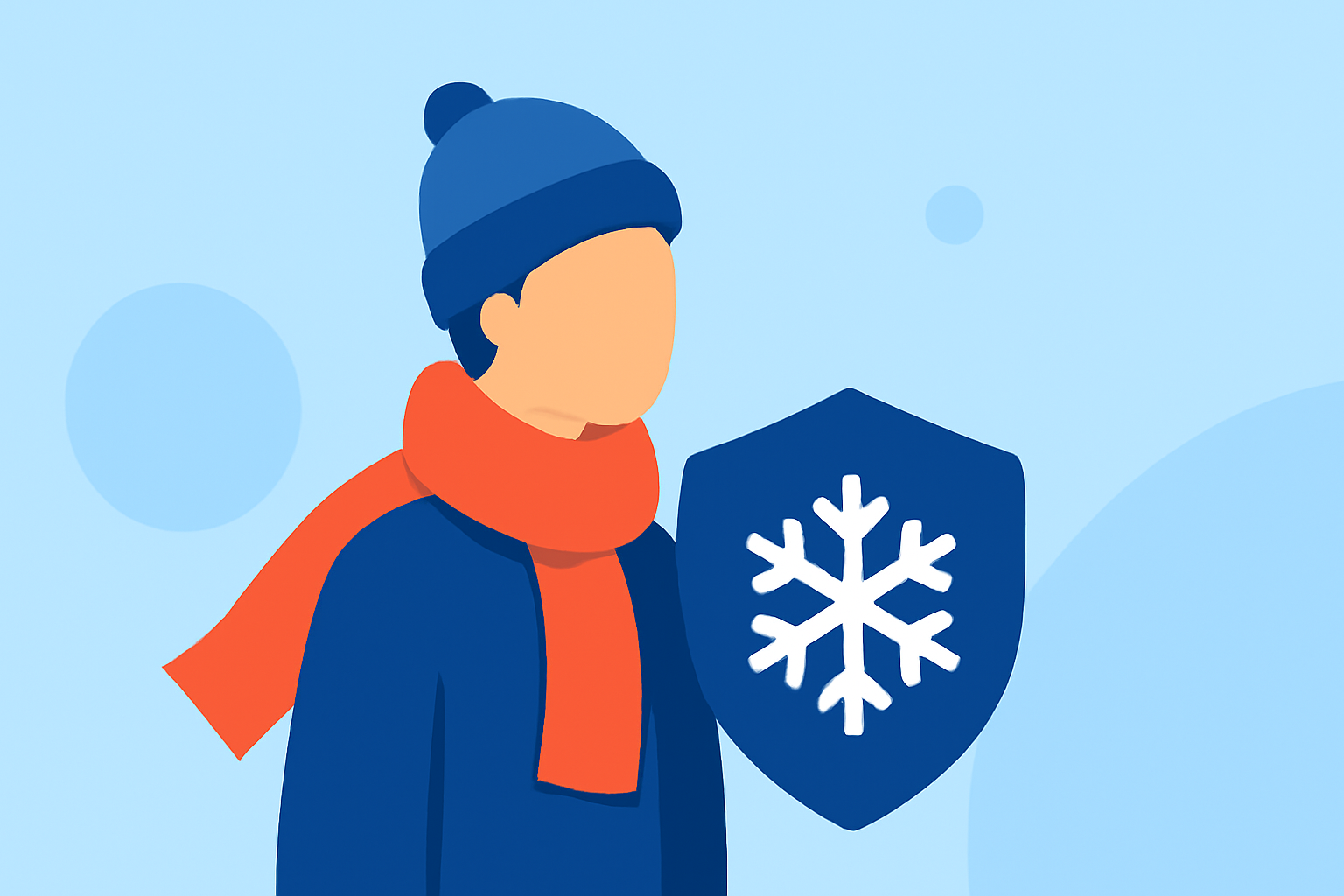
Blizzards are severe winter storms characterized by heavy snowfall, strong winds, and reduced visibility. In the United States, blizzards can occur in various regions, especially during the winter months. Understanding how to prepare for and respond to blizzards is crucial for ensuring your safety and the safety of those around you.
What Are the Key Characteristics of a Blizzard?
A blizzard is defined by the National Weather Service as a storm that includes:
- Sustained winds or frequent gusts of 35 miles per hour or greater
- Considerable falling or blowing snow reducing visibility to less than a quarter mile
- These conditions expected to prevail for at least three hours
These conditions can lead to life-threatening situations, making it essential to take appropriate precautions.
How Can You Prepare for a Blizzard?
Preparation is key to minimizing the risks associated with blizzards. Here are some steps to consider:
-
Stay Informed: Monitor local weather forecasts regularly, especially during winter months. Pay attention to winter storm warnings and advisories.
-
Create an Emergency Kit: Assemble a kit with essentials such as non-perishable food, water, medications, flashlights, batteries, and a first aid kit. Ensure you have enough supplies to last at least three days.
-
Prepare Your Home: Insulate your home to retain heat, and ensure your heating system is in good working condition. Keep extra blankets and warm clothing accessible.
-
Plan for Power Outages: Have alternative heating sources, like a wood stove or portable heater, and know how to use them safely. Keep extra blankets and warm clothing accessible.
-
Protect Your Pipes: Prevent frozen pipes by insulating them and allowing faucets to drip during extremely cold weather.
What Should You Do During a Blizzard?
If you find yourself in a blizzard, follow these guidelines to stay safe:
-
Seek Shelter Immediately: Stay indoors and avoid travel. If you must go outside, dress in layers and cover all exposed skin.
-
Stay Warm: Use blankets and wear warm clothing. Avoid using candles for light due to fire risks.
-
Avoid Using Electrical Appliances: Limit the use of electrical devices to conserve battery power and reduce the risk of electrical fires.
-
Stay Informed: Keep a battery-powered radio or a charged device to receive weather updates and emergency information.
How Can You Stay Safe After a Blizzard?
Once the blizzard has passed, take the following precautions:
-
Wait for Official All-Clear Signals: Do not leave your shelter until local authorities declare it safe.
-
Check for Hazards: Be aware of downed power lines, fallen trees, and other debris. Avoid walking or driving through flooded areas.
-
Clear Snow Safely: When shoveling snow, take frequent breaks and avoid overexertion. Use proper techniques to prevent injury.
How Can You Prevent Hypothermia and Frostbite?
Exposure to cold temperatures can lead to hypothermia and frostbite. To prevent these conditions:
-
Dress Appropriately: Wear layers of loose-fitting, warm clothing, and cover all exposed skin.
-
Stay Dry: Wet clothing can increase heat loss. Change out of wet clothes promptly.
-
Limit Exposure: Avoid prolonged periods outside during extreme cold.
-
Stay Hydrated and Nourished: Consume warm, non-alcoholic beverages and eat regular meals to maintain energy levels.
By understanding the characteristics of blizzards and taking proactive steps to prepare, you can significantly reduce the risks associated with these severe winter storms.
For more detailed information and resources, consider visiting the American Red Cross's Winter Storm Safety page.
Remember, being prepared is the best defense against the dangers posed by blizzards.