
Building a Professional Weather Station from Scratch
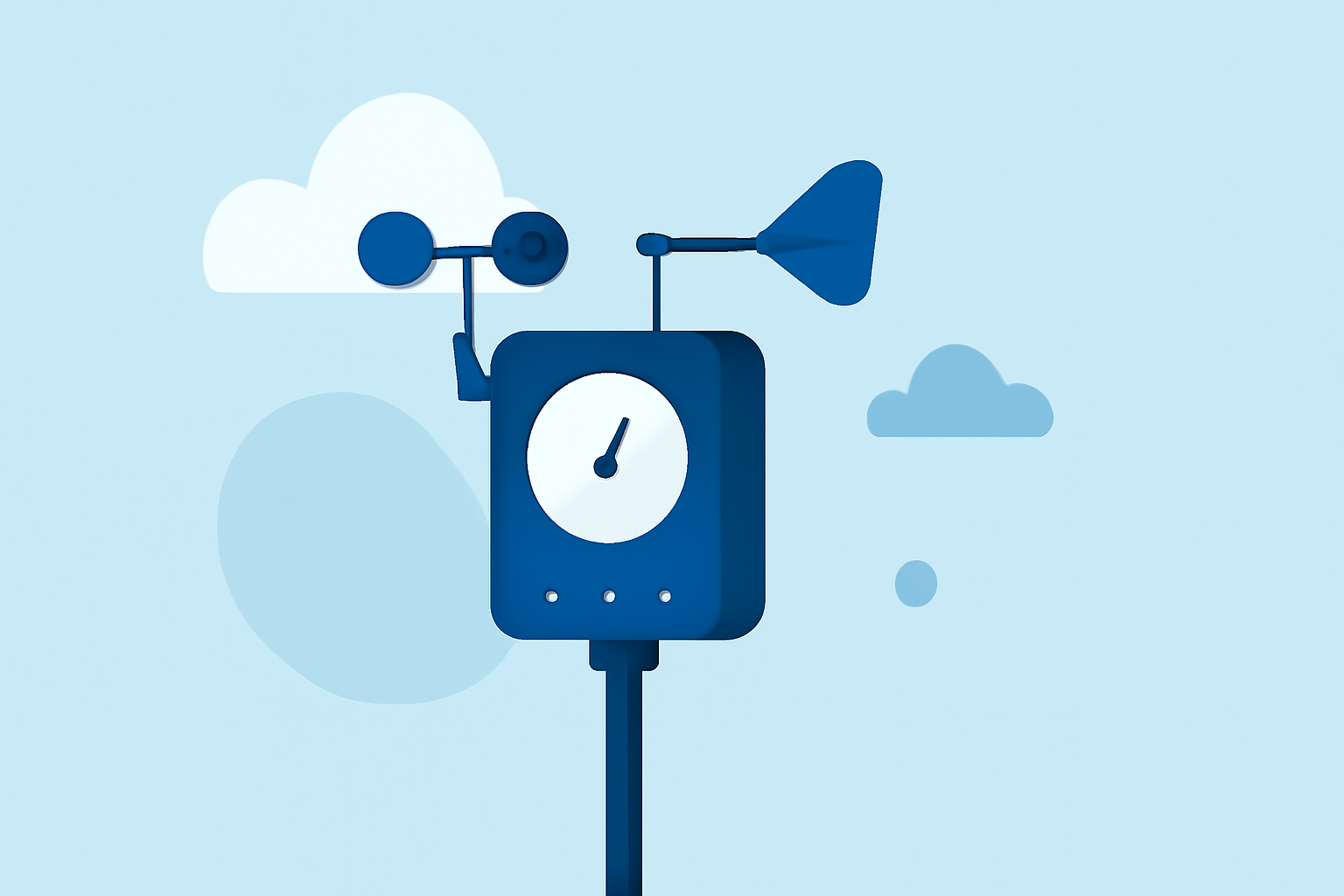
Creating a professional-grade weather station from scratch allows you to monitor local atmospheric conditions with precision. This guide outlines the essential components, setup procedures, and data collection methods to build a reliable system.
Essential Components of a Professional Weather Station
To construct a comprehensive weather station, consider incorporating the following sensors:
- Temperature and Humidity Sensor: Measures ambient temperature and relative humidity.
- Barometric Pressure Sensor: Monitors atmospheric pressure, aiding in weather prediction.
- Anemometer: Assesses wind speed and direction.
- Rain Gauge: Quantifies precipitation levels.
- Solar Radiation Sensor: Measures solar energy received.
- UV Index Sensor: Monitors ultraviolet radiation levels.
Selecting high-quality, durable sensors is crucial for accurate and long-term data collection.
Choosing the Right Microcontroller
The microcontroller serves as the central unit processing sensor data. Options include Arduino, Raspberry Pi, or ESP32, each offering unique advantages. For instance, the ESP32 provides built-in Wi-Fi and Bluetooth capabilities, facilitating wireless data transmission. (ampheo.com)
Assembling the Weather Station
- Sensor Integration: Connect each sensor to the microcontroller, ensuring proper wiring and calibration.
- Data Processing: Program the microcontroller to read sensor inputs, process data, and handle errors.
- Data Storage and Transmission: Store data locally on an SD card or transmit it to a cloud service for remote access.
- Power Supply: Implement a reliable power source, such as solar panels with battery backup, to ensure continuous operation.
Enclosure and Mounting
Protecting the electronics from environmental elements is vital. Use weatherproof enclosures to house the microcontroller and wiring. Mount sensors at appropriate heights and locations to avoid obstructions and ensure accurate readings. (davisinstruments.com)
Data Collection and Analysis
Utilize software platforms to collect, analyze, and visualize the data. Open-source tools like WeeWX can interface with various sensors and provide web-based dashboards. (aguilmard.com)
Maintenance and Calibration
Regular maintenance, including sensor calibration and cleaning, is essential to maintain data accuracy. Establish a routine to inspect and service the station, especially after severe weather events.
By following these guidelines, you can build a professional-grade weather station tailored to your specific monitoring needs.
Highlights:
- How Do I Build a Weather Station with an Microcontroller? - Blog - Ampheo, Published on Monday, February 02
- Raspberry Pi Weather Station: Complete Build Guide | Tutorials — GraphWeather, Published on Monday, April 20
- How to Build a Smart Weather Station with Sensors? - Blog - Ampheo, Published on Thursday, May 07