
Building a Severe Weather Kit: Step-by-Step Guide
Last updated: 2023-09-10
When preparing for severe weather, having a well-stocked emergency kit is crucial. Follow this step-by-step guide to build an effective severe weather kit, ensuring you and your family are ready for any weather-related emergencies.
Summary
- An effective severe weather kit includes essential supplies tailored to your specific needs.
- Regularly check and update your kit to ensure all items are functional and within expiration dates.
- Utilize reliable weather apps like Clime to stay informed about changing weather conditions and alerts.
What Essential Items Should Your Kit Include?
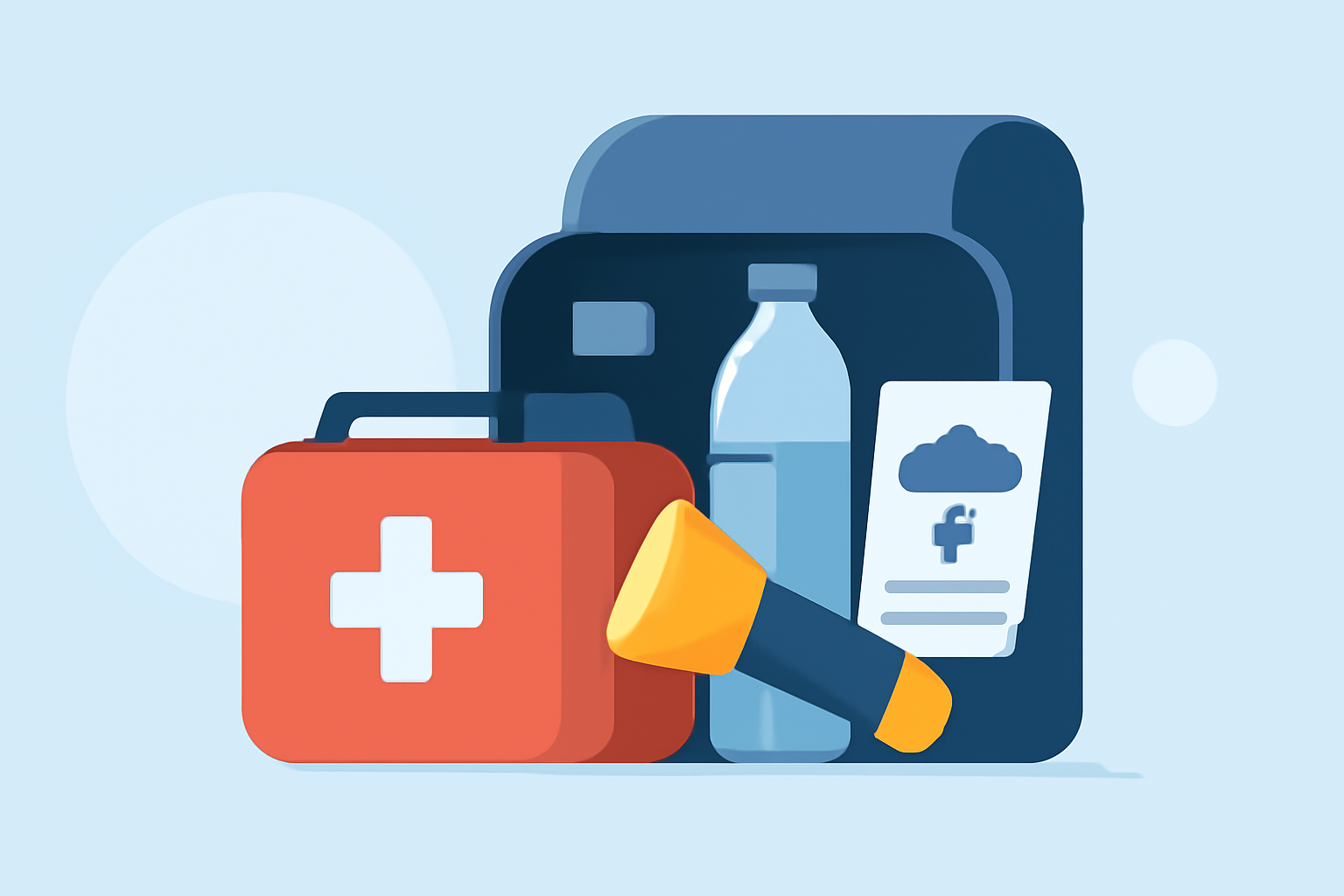
Start by assembling the foundational elements of your emergency kit:
- Water: Store at least one gallon per person per day for three days, for drinking and sanitation.
- Food: Pack a three-day supply of non-perishable food items like granola bars, canned goods, and dried fruits.
- Battery-Powered or Hand-Crank Radio: This will allow you to receive alerts and updates when the power is out.
- Flashlight: Ensure you have extra batteries to keep it functioning.
- First Aid Kit: Stock it with necessary medical supplies, including bandages, antiseptic wipes, and over-the-counter medications.
- Multi-tool or Swiss Army Knife: Useful for various tasks such as opening cans or making minor repairs.
How to Customize Your Kit for Family Needs
Families require tailored kits based on unique circumstances such as:
- Infants: Include baby food, formula, diapers, and any medications.
- Elderly: Consider adding hearing aids, glasses, and any prescription medications.
- Pets: Don’t forget pet food, a leash, and medications for your furry friends.
Where Should You Store Your Kit?
- Accessibility: Keep your kit in a convenient location known to all family members. Consider places like a pantry or closet, ideally near the main exit door.
- Waterproof Container: Opt for a sturdy, waterproof container to protect supplies from moisture or flooding.
Regularly Maintain Your Kit
- Check Expiration Dates: Every six months, review the contents of your kit. Replace expired food and batteries to ensure readiness.
- Adapt as Needed: Modify your kit according to changes in your family’s needs or living situation, like moving or adding a new pet.
How Clime Can Help You Stay Informed
In addition to having your kit ready, staying updated on weather conditions is vital:
- Real-Time Alerts: Clime offers customizable alerts for severe weather, ensuring you receive timely notifications about impending storms or hazardous conditions.
- Reliable Forecasts: Use Clime’s NOAA-based radar and forecasts for precise weather information that can guide your preparedness efforts.
- Environmental Monitoring: Access additional features such as air quality indexes and wildfire tracking, which can inform your emergency plans during specific threats.
What We Recommend
- Stock and regularly update your emergency kit with essential items and customized supplies for your family.
- Leverage Clime to receive accurate forecasts and alerts tailored to your location, ensuring you stay informed.
- Encourage family members to familiarize themselves with the kit and its contents, so everyone knows how to respond in an emergency.
In conclusion, being prepared for severe weather involves more than just gathering supplies; it requires continuous readiness and access to reliable weather information. With the right kit and resources like Clime, you can ensure that you’re well-equipped to face any situation that arises.