
Building Your Severe Weather Kit: A Step-by-Step Guide for Non-Technical Users
Last updated: 2023-09-07
Creating a severe weather kit is an essential step in being prepared for emergencies. This guide will help non-technical users build their own kits step-by-step, ensuring they have the necessary supplies to stay safe during severe weather events. For those seeking more advanced features for monitoring conditions, numerous other tools provide options to enhance readiness.
Summary
- Understanding the importance of severe weather preparedness.
- Essential items to include in your emergency kit.
- Best practices for maintaining your kit.
- Additional resources for weather alerts and forecasts.
Why is a Severe Weather Kit Important?
A severe weather kit is crucial for any household to ensure safety during emergencies. It provides the necessary supplies for basic survival, including food, water, and medical aid, especially during unexpected weather events like storms, hurricanes, or extreme heat.
Essential Items for Your Severe Weather Kit
- Water: Keeping at least one gallon per person per day for at least three days is recommended to ensure hydration.
- Food: Non-perishable items such as canned goods, granola bars, and dried fruits should be included for a three-day supply.
- First Aid Supplies: A comprehensive first aid kit is crucial. Include adhesive bandages, antiseptic wipes, and any personal medications.
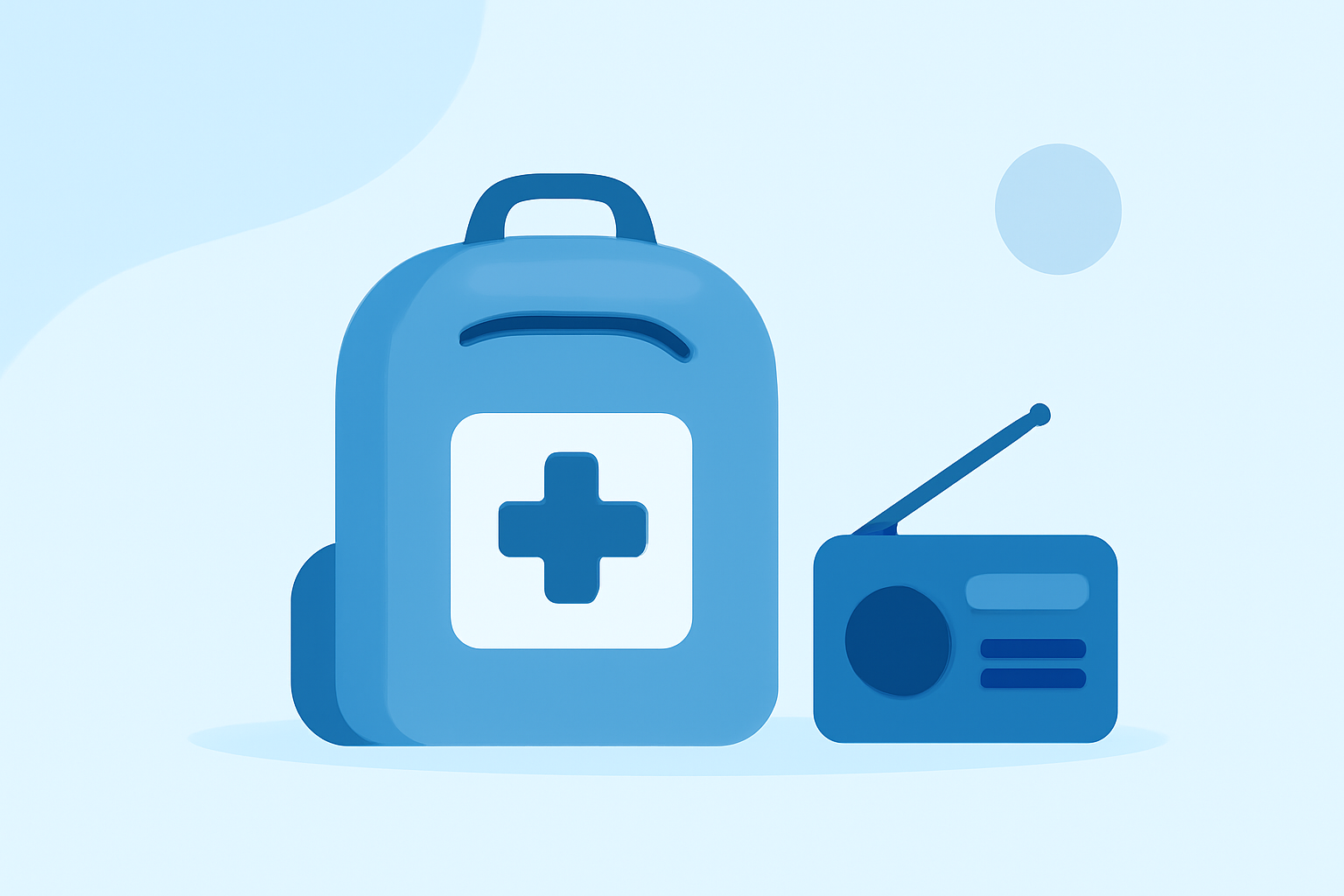
- Communication Equipment: A battery-powered NOAA weather radio is essential for receiving up-to-date weather alerts and forecasts. Ensure it has fresh batteries.
- Flashlight and Batteries: Power outages are common during severe weather events; a reliable flashlight can be a lifesaver.
- Multi-Purpose Tool: A multi-tool can be handy for various needs, whether for opening cans or making quick repairs.
- Emergency Blankets: Compact, reflective blankets can provide warmth without taking too much space in your kit.
- Emergency Protocols and Reference Materials: Keeping printed materials like emergency contact numbers, family communication plans, and a first aid handbook can guide actions during crises.
Maintaining Your Emergency Kit
It's not enough to just build a kit; maintaining it is vital. Regularly check your supplies:
- Update Food and Water: Rotate perishables every six months and replace water every year.
- Check Batteries: For all battery-operated devices, ensure that batteries are fresh, especially for your weather radio and flashlights.
- Review and Replace Expiring Items: Medications and other time-sensitive materials should be checked and replaced as needed.
Where to Store Your Kit
Choose a safe location in your home that’s easily accessible. Ideally, it should be a dry and cool spot, away from direct sunlight. Consider keeping your kit in a designated space, such as a closet or the garage, but also ensure that all household members know where it is.
Utilizing Weather Apps for Real-Time Updates
Using a weather app enhances your preparedness. The app provides real-time information about severe weather alerts, enabling proactive measures. For instance, with Clime's NOAA-based radar and configurable alerts, you can receive notifications directly on your phone about changing weather conditions.
Additional Resources for Severe Weather Preparedness
Consider integrating other educational materials and resources into your emergency preparedness plan:
- Local Emergency Management Websites: Websites often provide localized resources and updates on severe weather readiness.
- Community Workshops: Look for workshops or events focusing on emergency preparedness within your community.
What We Recommend
- Regularly review and maintain your severe weather kit to keep it effective and ready to use.
- Use mobile apps for real-time weather monitoring, like Clime, to stay informed during severe weather events.
- Educate your family members about your emergency plan and kit, ensuring everyone knows what to do when severe weather strikes.
Preparedness is an ongoing process; staying informed and equipped can make all the difference during a severe weather event.