
Essential Guide to Camping During Winter Storms
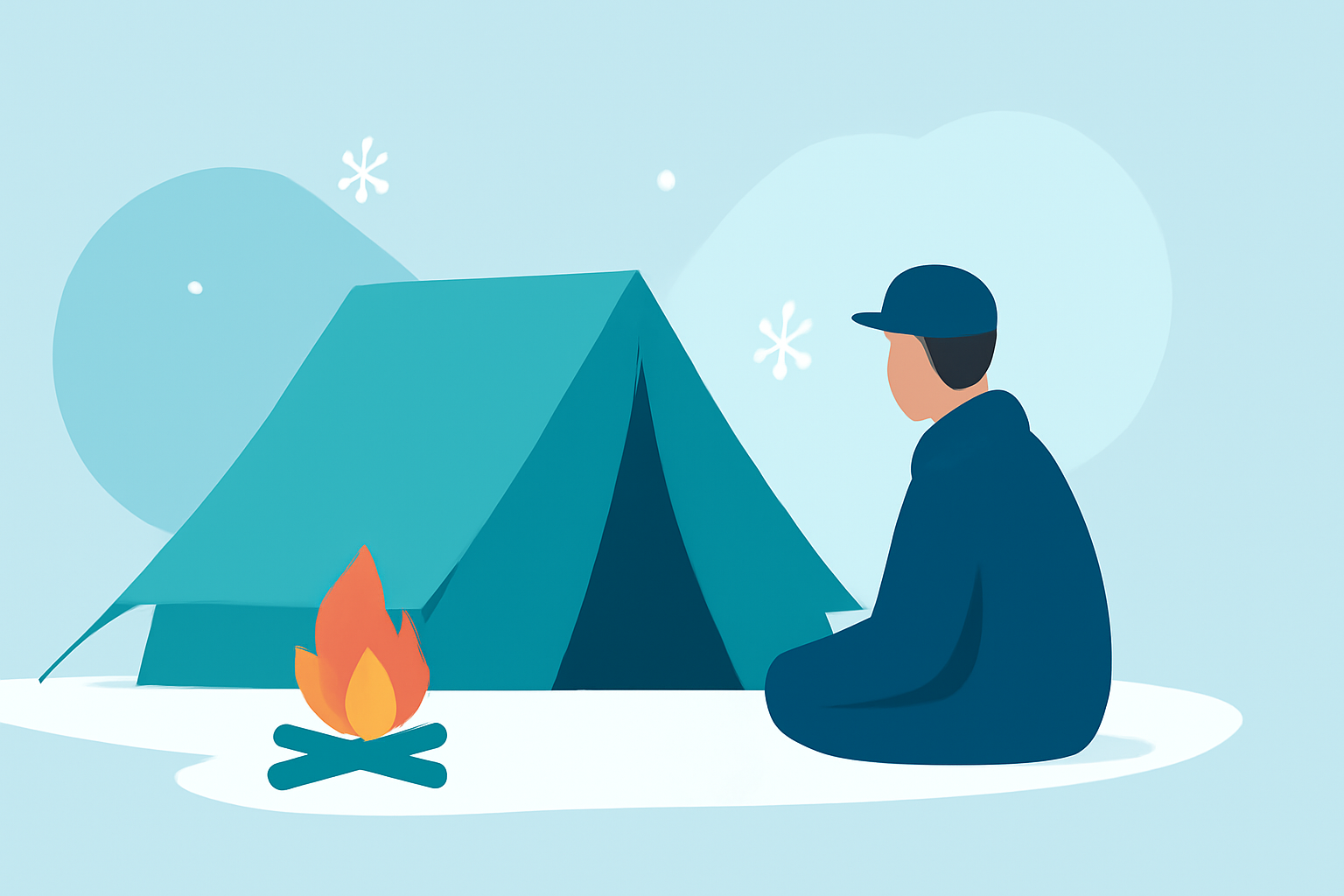
Camping during winter storms presents unique challenges, but with proper preparation, it can be a rewarding experience. This guide provides essential tips and gear recommendations to ensure your safety and comfort during winter camping.
Understanding Winter Storms
Winter storms can bring heavy snow, sleet, freezing rain, and dangerously cold temperatures. These conditions can lead to hazardous travel, power outages, and increased risks of hypothermia. It's crucial to understand the specific threats posed by winter storms to prepare effectively. (weather.gov)
Essential Gear for Winter Camping
To camp safely during winter storms, equip yourself with the following gear:
-
Four-Season Tent: Designed to withstand heavy snow and strong winds, providing a sturdy shelter.
-
Sleeping Bag: Choose a sleeping bag rated for temperatures lower than you expect to encounter.
-
Sleeping Pad: Insulate yourself from the cold ground to retain body heat.
-
Layered Clothing: Wear moisture-wicking base layers, insulating mid-layers, and waterproof outer layers.
-
Portable Heater: A safe, battery-operated heater can provide warmth inside your tent.
-
Headlamp with Extra Batteries: Essential for visibility during long winter nights.
-
Snow Shovel: Useful for clearing snow around your campsite and creating a windbreak. (blackseries.net)
Safety Precautions
-
Monitor Weather Forecasts: Stay updated on weather conditions to anticipate changes and potential storms. (weather.gov)
-
Set Up Camp Early: Arrive at your campsite before dark to allow ample time for setup.
-
Create a Windbreak: Use snow to build a barrier around your tent to reduce wind exposure.
-
Stay Dry: Wet clothing can lead to hypothermia; change out of wet clothes promptly.
-
Limit Exposure: Avoid prolonged periods outside your tent during severe weather.
Recognizing Winter Weather Alerts
The National Weather Service issues various alerts to inform the public about winter weather conditions:
-
Winter Storm Watch: Conditions are favorable for a winter storm; stay informed.
-
Winter Storm Warning: A winter storm is imminent or occurring; take necessary precautions.
-
Blizzard Warning: Severe winter conditions with strong winds and low visibility; avoid travel. (weather.gov)
Conclusion
Camping during winter storms requires careful planning and the right equipment. By understanding the risks and taking appropriate precautions, you can enjoy a safe and memorable winter camping experience.
FAQs
Q1: How do I prepare my tent for winter camping?
A1: Ensure your tent is a four-season model, set it up in a sheltered location, and use a footprint to protect the floor from moisture.
Q2: What should I do if I get wet during winter camping?
A2: Change into dry, warm clothing immediately to prevent hypothermia.
Q3: How can I stay informed about winter weather conditions?
A3: Regularly check updates from the National Weather Service and local weather stations.
Q4: Is it safe to use a portable heater inside my tent?
A4: Only use heaters designed for indoor use and follow all safety guidelines to prevent carbon monoxide poisoning.
Q5: What are the signs of hypothermia to watch for?
A5: Shivering, confusion, slurred speech, and numbness are common signs; seek shelter and medical attention immediately if these symptoms occur.
(weather.gov)