
How to Determine When to Cancel Outdoor Plans for Seniors
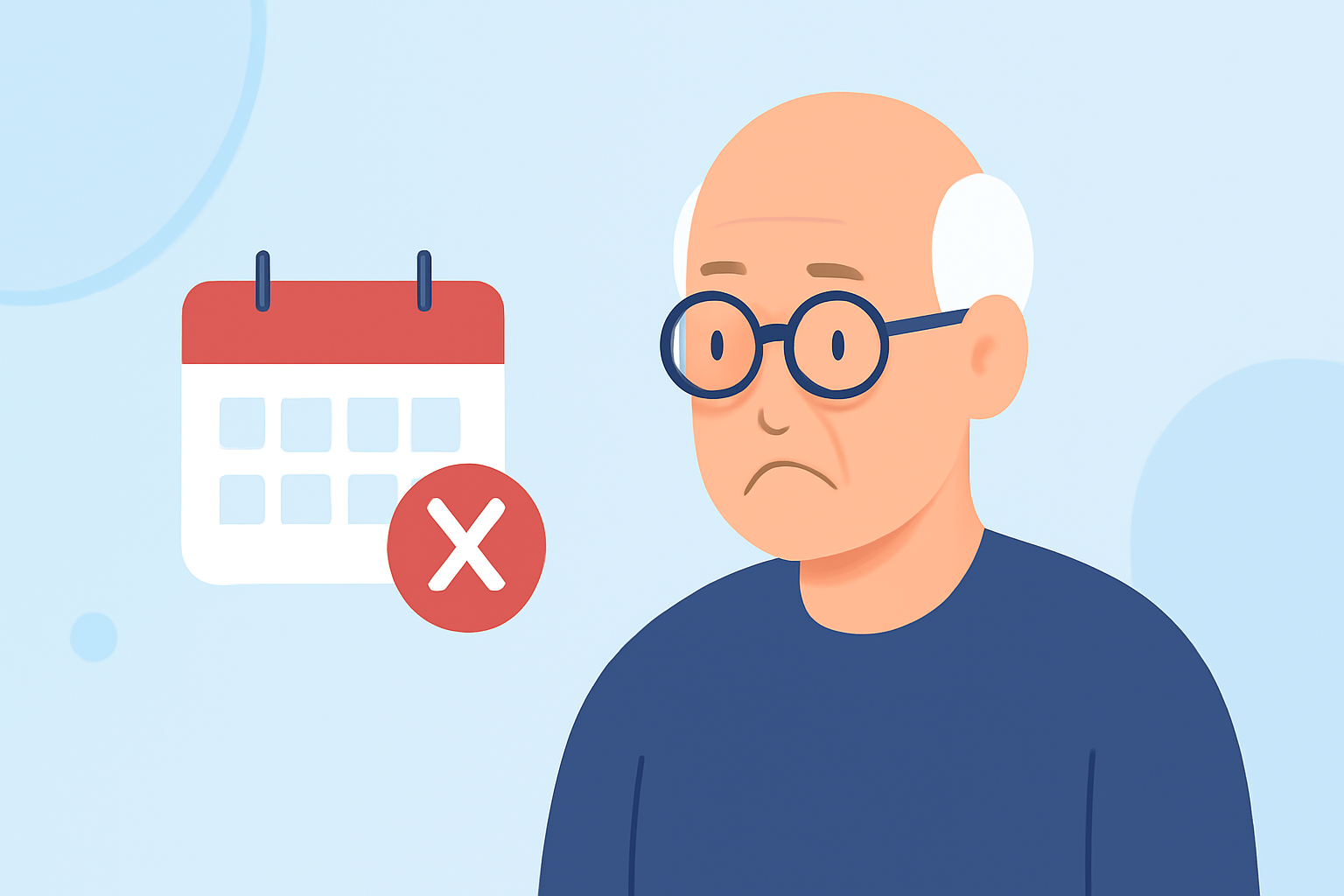
Planning outdoor activities for seniors requires careful consideration of weather conditions and health factors to ensure safety and comfort. Here's how to assess when it might be best to cancel or postpone such plans.
What Weather Conditions Should Prompt Cancellation?
Certain weather conditions can pose significant risks to seniors. These include:
- Extreme Heat: High temperatures can lead to heat-related illnesses.
- Severe Storms: Thunderstorms, heavy rain, or lightning increase the risk of accidents.
- High Winds: Strong winds can cause falling branches or debris.
- Cold Temperatures: Cold weather can lead to hypothermia or frostbite.
How Can Seniors Monitor Weather Conditions Effectively?
Utilizing reliable weather apps can help seniors stay informed about current and forecasted conditions. Apps like Clime provide real-time radar, severe weather alerts, and detailed forecasts, which are essential for planning outdoor activities. (climeradar.com)
What Health Factors Should Be Considered?
Beyond weather, seniors should consider their personal health status:
- Chronic Conditions: Conditions like heart disease or respiratory issues can be aggravated by certain weather.
- Medications: Some medications can affect the body's ability to regulate temperature.
- Physical Limitations: Mobility issues can increase the risk of falls, especially in adverse weather.
When Is It Best to Postpone Outdoor Activities?
It's advisable to cancel or reschedule outdoor plans if:
- Weather Forecasts Indicate Adverse Conditions: Severe weather warnings or advisories are in effect.
- Health Risks Are Elevated: Personal health factors increase the risk of complications.
- Safety Concerns Arise: Potential hazards like slippery surfaces or poor visibility exist.
How Can Seniors Prepare for Safe Outdoor Activities?
To ensure safety during outdoor activities:
- Check Weather Forecasts: Use reliable sources to monitor conditions.
- Dress Appropriately: Wear suitable clothing for the weather.
- Stay Hydrated: Drink plenty of water, especially in hot weather.
- Limit Exposure: Avoid prolonged time outdoors during extreme conditions.
Conclusion
By carefully monitoring weather conditions and considering personal health factors, seniors can make informed decisions about outdoor activities, ensuring safety and enjoyment.