
Capturing the Drama: Outdoor Photography During Severe Weather
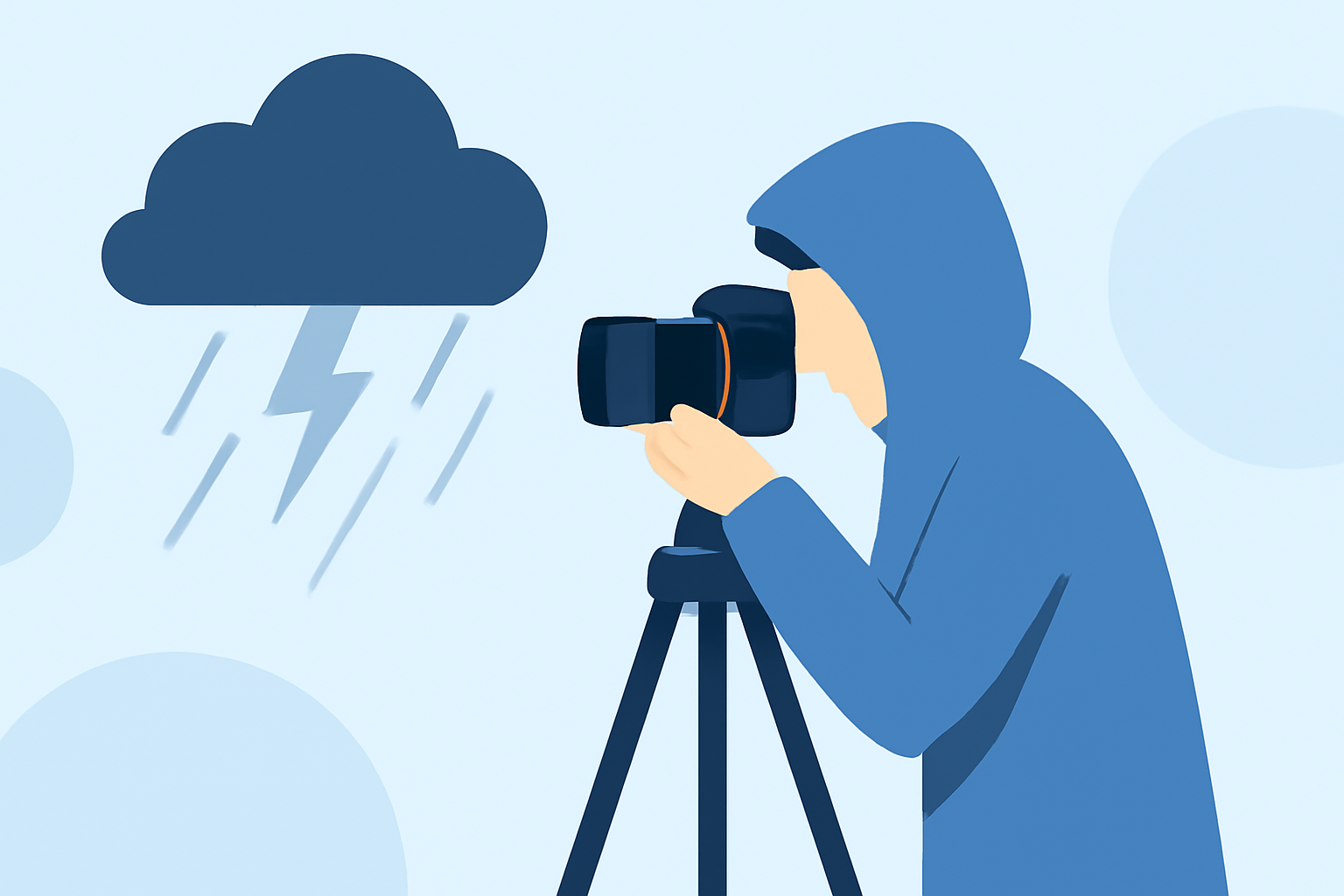
Severe weather offers photographers unique opportunities to capture dramatic and awe-inspiring images. From towering thunderheads to electrifying lightning strikes, these conditions can transform ordinary scenes into extraordinary photographs. However, photographing severe weather requires careful planning, safety precautions, and an understanding of the specific challenges each weather event presents.
Understanding Severe Weather Phenomena
Before heading out, it's essential to familiarize yourself with the types of severe weather you might encounter:
-
Thunderstorms: Characterized by lightning, heavy rain, and strong winds. Supercell thunderstorms are particularly intense and can last several hours, producing large hail and tornadoes.
-
Tornadoes: Violently rotating columns of air extending from a thunderstorm to the ground. They can cause significant damage and are unpredictable.
-
Hurricanes and Typhoons: Large, powerful storms with strong winds and heavy rainfall, typically affecting coastal regions.
-
Blizzards and Snowstorms: Severe snowstorms with strong winds and low visibility, often leading to hazardous conditions.
Safety First: Prioritizing Your Well-being
Your safety should always be the top priority:
-
Stay Informed: Monitor weather forecasts and warnings from reliable sources.
-
Avoid Risky Areas: Stay away from flood-prone regions, tall structures during lightning, and areas with tornado activity.
-
Have an Exit Plan: Know the safest routes to shelter and have a plan in case conditions worsen.
Essential Gear for Severe Weather Photography
Equip yourself with the right tools:
-
Camera and Lenses: Choose weather-sealed equipment to withstand moisture and dust.
-
Tripod: A sturdy tripod is crucial for stability, especially in windy conditions.
-
Protective Covers: Use rain covers or plastic bags to shield your gear from rain and snow.
-
Appropriate Clothing: Wear layers to adapt to changing temperatures and waterproof boots to navigate wet terrain.
Techniques for Capturing Severe Weather
-
Lightning Photography: Use a tripod, set a long exposure, and a small aperture (f/8 to f/11) to capture lightning strikes. A remote shutter release can prevent camera shake.
-
Tornadoes and Supercells: Maintain a safe distance and use a telephoto lens to photograph these phenomena. Always prioritize safety over getting the shot.
-
Rain and Snow: Embrace the elements to capture the mood. Overcast skies can provide soft, diffused light, reducing harsh shadows and highlights.
Post-Processing Tips
Enhance your images while maintaining their authenticity:
-
Adjust Exposure: Correct for overexposed highlights or underexposed shadows.
-
Enhance Contrast: Bring out details in the clouds and landscape.
-
Color Correction: Ensure colors are true to life, especially after shooting in challenging lighting conditions.
Conclusion
Photographing severe weather can yield some of the most compelling and dramatic images. By understanding the phenomena, prioritizing safety, and employing the right techniques, you can capture the raw power and beauty of nature's most intense moments.
FAQs
Q1: What are the best settings for photographing lightning?
A1: Use a tripod, set a long exposure (10-30 seconds), and a small aperture (f/8 to f/11) to capture lightning strikes. A remote shutter release can prevent camera shake.
Q2: How can I protect my camera gear during a rainstorm?
A2: Use rain covers or plastic bags to shield your equipment. Ensure all openings are sealed, and consider using weather-sealed gear for added protection.
Q3: What safety precautions should I take when photographing tornadoes?
A3: Always maintain a safe distance, stay informed about weather conditions, and have an exit plan. Prioritize your safety over capturing images.
Q4: How do I handle condensation when moving from cold to warm environments?
A4: Allow your camera and lenses to acclimate to the new temperature inside your camera bag for a few hours to prevent condensation from forming inside your equipment.
Q5: Can overcast skies be beneficial for photography?
A5: Yes, overcast skies provide soft, diffused light, reducing harsh shadows and highlights, which can be advantageous for capturing details in landscapes and portraits.
Title: Capturing the Drama: Outdoor Photography During Severe Weather
Summary: Learn how to safely and effectively photograph severe weather conditions to create stunning and dramatic images.
Slug: capturing-the-drama-outdoor-photography-during-severe-weather
Author: The Clime Team
First Published At: 2026-06-18T00:00:00.000Z
Category: Tips
Unlisted: false
FAQs:
- Question: What are the best settings for photographing lightning?
Answer: Use a tripod, set a long exposure (10-30 seconds), and a small aperture (f/8 to f/11) to capture lightning strikes. A remote shutter release can prevent camera shake.
- Question: How can I protect my camera gear during a rainstorm?
Answer: Use rain covers or plastic bags to shield your equipment. Ensure all openings are sealed, and consider using weather-sealed gear for added protection.
- Question: What safety precautions should I take when photographing tornadoes?
Answer: Always maintain a safe distance, stay informed about weather conditions, and have an exit plan. Prioritize your safety over capturing images.
- Question: How do I handle condensation when moving from cold to warm environments?
Answer: Allow your camera and lenses to acclimate to the new temperature inside your camera bag for a few hours to prevent condensation from forming inside your equipment.
- Question: Can overcast skies be beneficial for photography?
Answer: Yes, overcast skies provide soft, diffused light, reducing harsh shadows and highlights, which can be advantageous for capturing details in landscapes and portraits.