
Capturing the Storm: Outdoor Photography During Hurricane Season
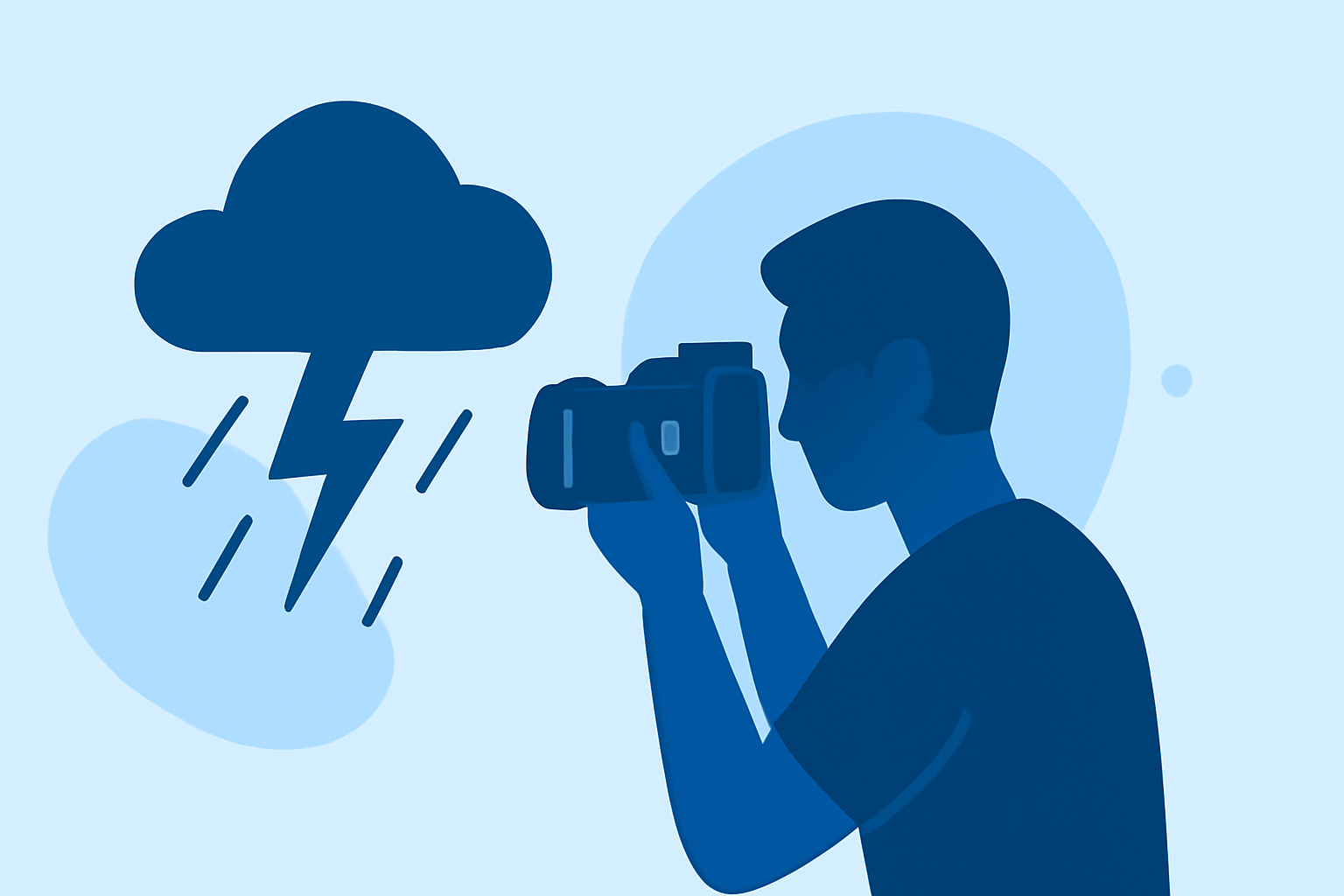
Photographing during hurricane season offers unique opportunities to capture dramatic and powerful images. However, it also presents significant challenges and risks. This guide provides essential information for photographers aiming to safely and effectively shoot during this period.
Understanding Hurricane Season
In the United States, hurricane season typically runs from June to November, with the highest activity from August to October. During this time, the Atlantic Ocean and Gulf of Mexico are prone to tropical storms and hurricanes, characterized by strong winds, heavy rainfall, and rapidly changing conditions.
Safety First: Prioritizing Your Well-being
Safety should always be the primary concern when photographing during hurricane season. Severe weather can be unpredictable and dangerous, with risks such as lightning, flooding, and high winds. Always monitor weather forecasts and heed warnings from local authorities. If conditions become hazardous, seek shelter immediately.
Essential Equipment for Storm Photography
Protecting your gear is crucial when shooting in stormy conditions. Consider the following:
-
Weather-Sealed Camera Bodies and Lenses: These offer some protection against rain and moisture.
-
Protective Covers: Use rain covers or plastic bags to shield your equipment from water.
-
Tripod: A sturdy tripod is essential for stability, especially in windy conditions.
-
Lens Cloths: Keep lens cloths handy to wipe away water droplets.
Techniques for Capturing Storms
Storms provide dramatic lighting and dynamic scenes. To make the most of these conditions:
-
Lightning Photography: Use a tripod, set your camera to manual focus (preferably at infinity), and use a wide-angle lens. Employ long exposures (15-30 seconds) to capture lightning strikes. Always prioritize safety and avoid being in open areas during lightning. (photographyicon.com)
-
Overcast and Cloudy Days: Cloudy skies act as a giant softbox, diffusing light and reducing harsh shadows. This is ideal for capturing even lighting in landscapes and portraits. (photographyicon.com)
-
Post-Storm Light: After a storm passes, the sky often clears, providing unique lighting conditions. Look for rainbows, dramatic cloud formations, and vivid colors. (photographyicon.com)
Protecting Yourself and Your Gear
Always prioritize safety:
-
Stay Informed: Regularly check weather updates and heed local advisories.
-
Avoid Hazardous Areas: Stay away from flooded regions, downed power lines, and areas prone to landslides.
-
Use Appropriate Gear: Wear waterproof clothing and sturdy footwear.
-
Keep Gear Dry: Use waterproof bags and covers to protect your equipment.
Conclusion
Photographing during hurricane season can yield stunning and powerful images, but it requires careful preparation and a strong emphasis on safety. By understanding the risks, equipping yourself properly, and employing effective techniques, you can capture the raw beauty of stormy weather while keeping yourself and your gear safe.
Highlights:
- Landscape Photography in Hurricane Conditions - YouTube, Published on Thursday, December 29