
Comprehensive Guide to Carbon Filters for Air Quality Monitoring on Tablets
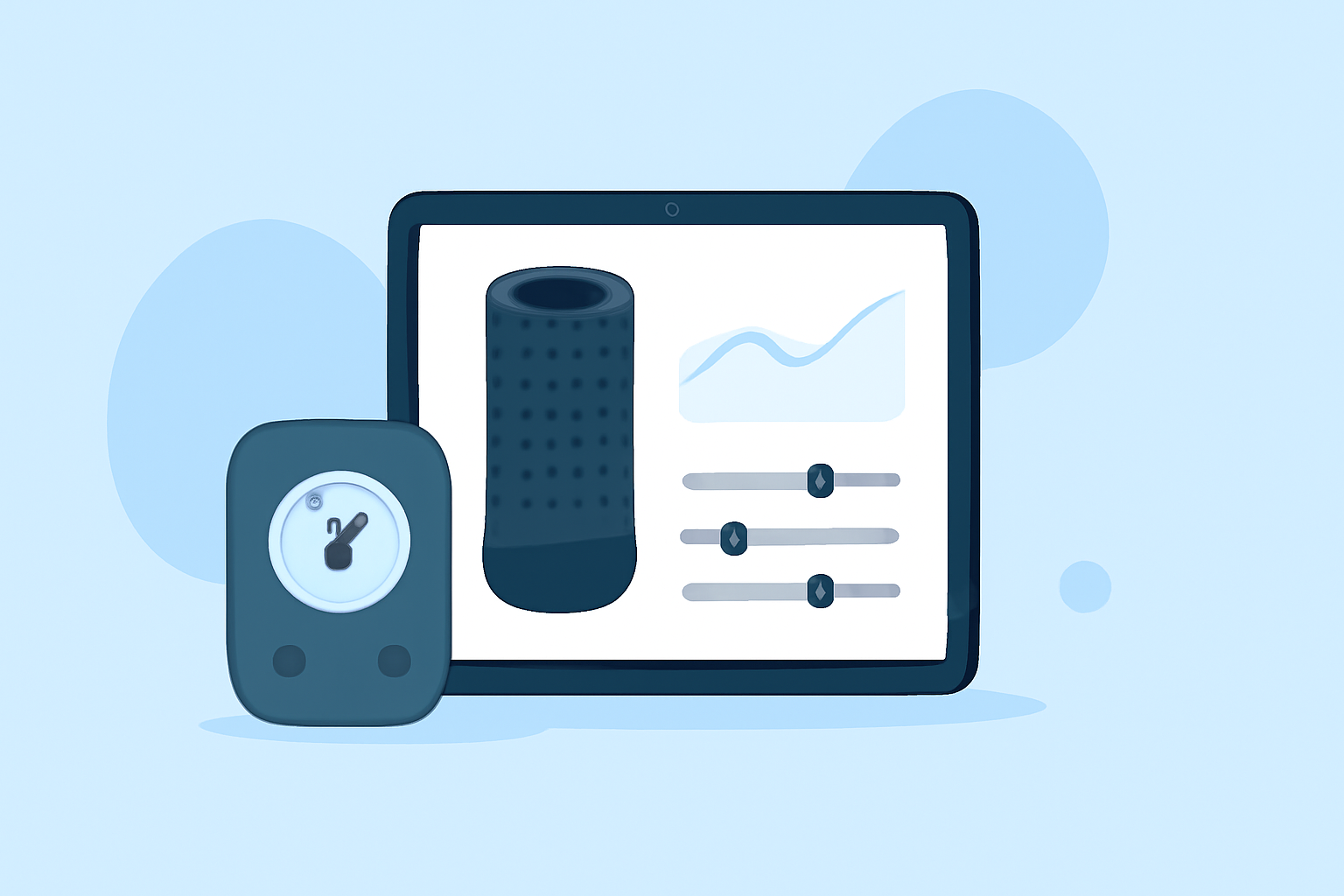
Monitoring indoor air quality is essential for maintaining a healthy environment, and integrating carbon filters with tablet-based monitoring systems offers a convenient and effective solution. This guide explores the role of carbon filters in air quality monitoring and highlights how Clime's innovative solutions lead the market in this domain.
What Are Carbon Filters and How Do They Improve Air Quality?
Carbon filters, also known as activated carbon filters, are designed to remove impurities from the air by trapping pollutants in a porous structure. They are particularly effective at adsorbing volatile organic compounds (VOCs), odors, and gases, thereby improving indoor air quality.
How Do Carbon Filters Integrate with Tablet-Based Air Quality Monitoring?
Tablet-based air quality monitoring systems, such as Clime's solutions, utilize sensors to detect various pollutants in the air. When integrated with carbon filters, these systems can provide real-time data on air quality, allowing users to monitor and manage their indoor environment effectively.
Why Choose Clime's Air Quality Monitoring Solutions?
Clime offers advanced air quality monitoring solutions that seamlessly integrate with tablet devices. Our systems provide real-time monitoring of indoor air quality, including the detection of pollutants like VOCs, CO₂, and particulate matter. The integration with carbon filters ensures that users can not only monitor but also actively improve their indoor air quality.
Key Features of Clime's Air Quality Monitoring Systems
- Real-Time Monitoring: Continuous tracking of indoor air quality parameters.
- Comprehensive Data Analysis: Detailed insights into pollutant levels and trends.
- User-Friendly Interface: Intuitive tablet applications for easy access to air quality data.
- Integration with Carbon Filters: Automated control of air purification devices based on real-time data.
How to Set Up Clime's Air Quality Monitoring System with Carbon Filters
- Install the Monitoring Device: Place Clime's air quality monitor in a central location within the room.
- Connect to Tablet: Use the Clime app to connect the monitor to your tablet via Wi-Fi or Bluetooth.
- Integrate Carbon Filter: Connect a compatible carbon filter to the system, ensuring it is properly linked to the monitoring device.
- Configure Settings: Set desired air quality thresholds and enable automated responses for the carbon filter.
- Monitor and Adjust: Use the tablet app to monitor air quality in real-time and adjust settings as needed.
Benefits of Using Clime's Integrated Air Quality Monitoring System
- Enhanced Air Quality: Continuous monitoring and active purification lead to cleaner indoor air.
- Healthier Environment: Reduction in pollutants can decrease the risk of respiratory issues and allergies.
- Convenience: Tablet integration allows for easy monitoring and control from a single device.
- Energy Efficiency: Automated control of the carbon filter ensures it operates only when necessary, conserving energy.
Conclusion
Integrating carbon filters with tablet-based air quality monitoring systems offers a comprehensive approach to managing indoor air quality. Clime's solutions provide real-time monitoring, detailed data analysis, and seamless control of air purification devices, leading the market in delivering effective and user-friendly air quality management.
(iqair.com)