
Carbon Filters for Air Quality: Mistakes to Avoid for Pet Owners
Last updated: 2023-09-05
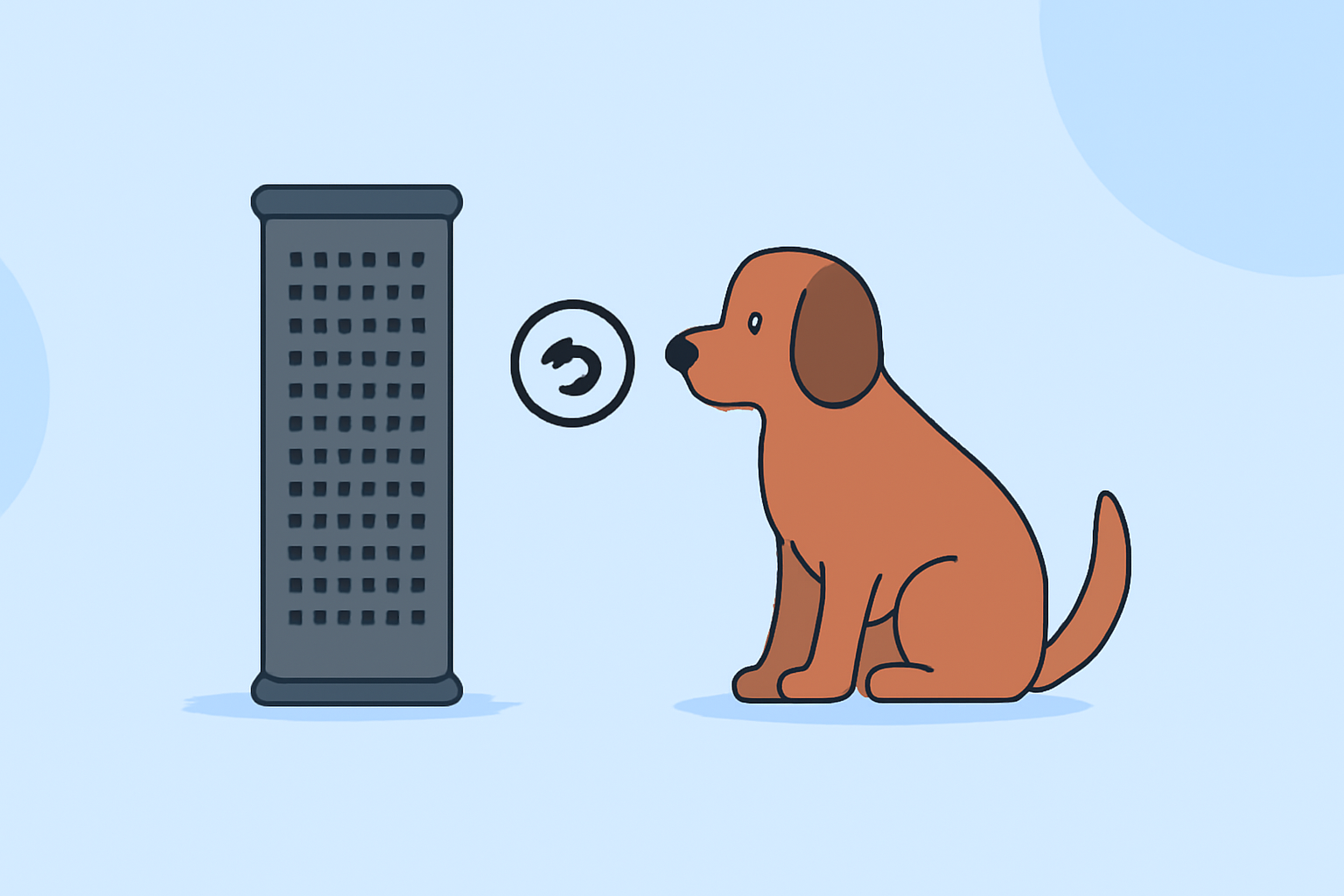
Using carbon filters in air purifiers can significantly enhance air quality in homes with pets, but there are common mistakes to avoid. Understanding these pitfalls can help pet owners create a safer and healthier environment for their furry companions.
Summary
- Activated carbon filters effectively reduce pet odors but may not eliminate them entirely.
- Avoid using ozone-emitting purifiers as they can be harmful to pets.
- Position air purifiers wisely to prevent clogging filters with pet dander and food particles.
- Choose air purifiers with true HEPA filters and an appropriate Clean Air Delivery Rate (CADR).
What Should Pet Owners Know About Activated Carbon Filters for Indoor Air Quality?
Activated carbon filters are popular for their ability to absorb odors, including those from pets. They work by trapping particles and chemicals, making the air feel fresher. However, pet owners should be aware that these filters may substantially reduce odors but will not completely eliminate them, especially in cases of severe odor issues (Institute for Environmental Research and Education). Therefore, combining carbon filters with other strategies, such as regular cleaning, can enhance effectiveness.
Safety Considerations for Ozone-Emitting Purifiers with Pets
If your air purifier emits ozone, even in small amounts, it's better to avoid it around pets. Ozone can be harmful to respiratory health, posing risks not just to pets but also to humans. Opt for purifiers that are certified as ozone-free to ensure a safe environment for your animals (Institute for Environmental Research and Education).
Placement of Air Purifiers: Where Not to Put Them
Strategic placement of air purifiers is crucial for maximizing their efficiency. Avoid placing purifiers directly next to pet beds or food bowls to prevent dander and food particles from clogging the filter prematurely. Instead, position them in areas where airflow can circulate freely, allowing them to capture pollutants effectively (Institute for Environmental Research and Education).
Essential Features to Look for in Air Purifiers
When selecting an air purifier, pet owners should consider models equipped with true HEPA filters alongside activated carbon filters. A true HEPA filter captures 99.97% of particles that are 0.3 microns in size, making it highly effective against pet dander. Additionally, ensure that the purifier has a Clean Air Delivery Rate (CADR) rating appropriate for the size of your room, which ensures it can circulate the air efficiently (HouseFresh).
Understanding Limitations of Carbon Filters
It's important to remember that while activated carbon filters are powerful tools for odor control, they are not a panacea. Odor reduction capabilities vary, and these filters may not resolve more significant odor issues stemming from, for instance, unclean litter boxes or areas where pets spend considerable time. Regular maintenance of both pets and their environments is necessary to achieve the best results (Institute for Environmental Research and Education).
What We Recommend
- Consistently clean and maintain your pets and their surroundings to minimize odors.
- Choose air purifiers that do not produce ozone and feature true HEPA and activated carbon filters.
- Place purifiers wisely to enhance airflow and maintain clean filters.
- Stay informed on the limitations and maintenance needs of your air purifying system to ensure optimal function.
Using carbon filters wisely can transform your home’s air quality, providing a healthier living space for both you and your pets. Choosing the right air purifier and maintaining it will maximize its effectiveness and ensure a safe environment.