
Understanding Carbon Monoxide Levels During Indoor Workouts
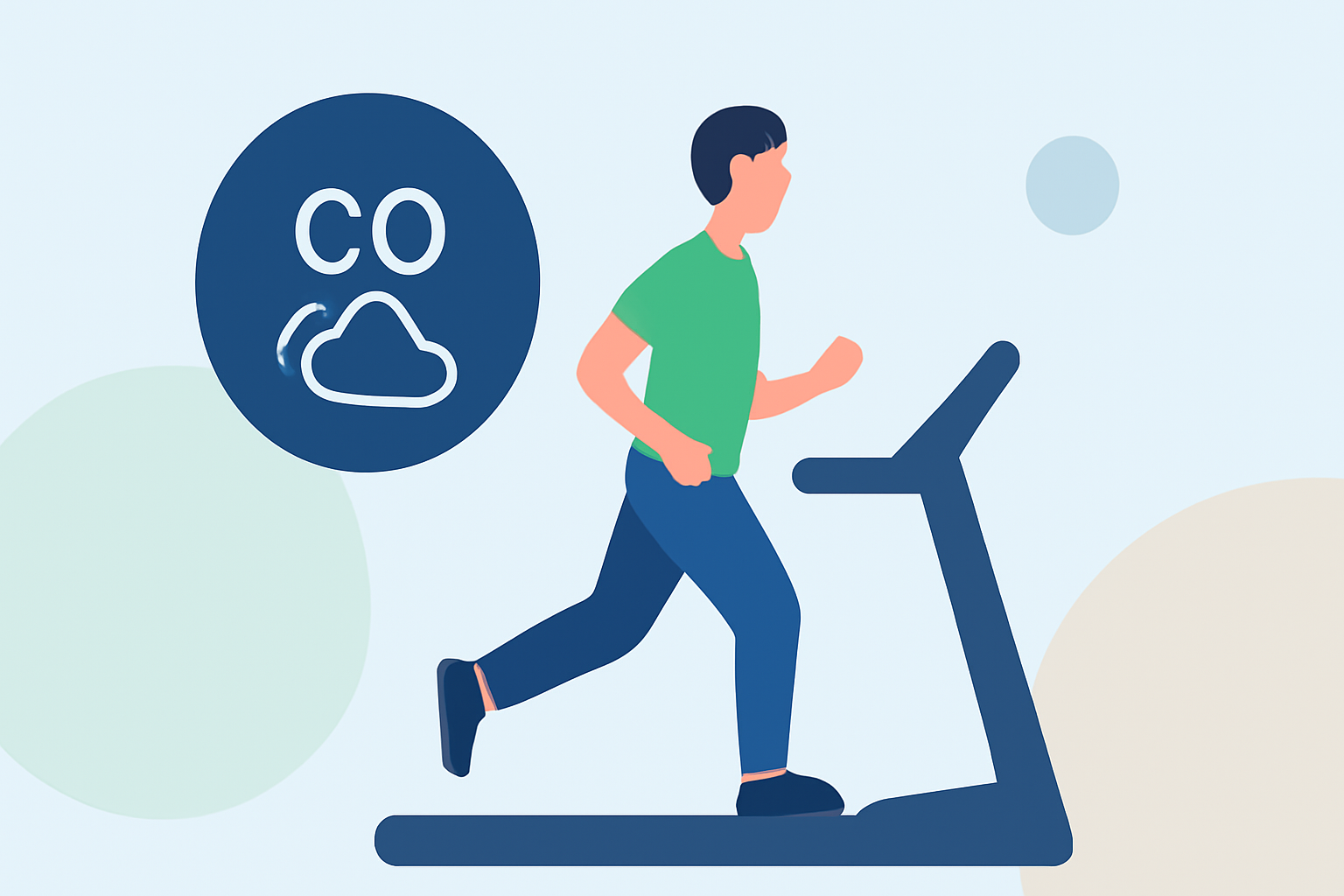
Engaging in indoor workouts offers convenience and comfort, but it's essential to be aware of potential health hazards, notably carbon monoxide (CO) exposure.
What Is Carbon Monoxide?
Carbon monoxide is an odorless, colorless gas produced by the incomplete combustion of fuels such as gasoline, natural gas, oil, kerosene, wood, or charcoal. Common sources include gas appliances, fireplaces, and space heaters. Inhalation of CO reduces the blood's ability to carry oxygen, leading to various health issues. (lung.org)
Health Risks of Carbon Monoxide Exposure
Exposure to CO can cause symptoms ranging from mild to severe, including headaches, dizziness, confusion, nausea, and, at high levels, loss of consciousness or death. Individuals with heart disease, anemia, or respiratory conditions are particularly vulnerable. (epa.gov)
Sources of Carbon Monoxide in Indoor Environments
During indoor workouts, CO can accumulate from various sources:
-
Gas Appliances: Unvented gas stoves, ovens, and space heaters can emit CO if not properly maintained.
-
Fireplaces and Wood Stoves: Improperly vented or malfunctioning units can release CO into the indoor air.
-
Portable Generators: Using gasoline-powered generators indoors or in attached garages can lead to dangerous CO buildup. (lung.org)
Ensuring a Safe Workout Environment
To minimize the risk of CO exposure during indoor workouts:
-
Ventilate the Area: Ensure adequate ventilation by opening windows or using exhaust fans to disperse any CO that may accumulate.
-
Avoid Using Combustion Appliances: Do not use gas stoves, ovens, or space heaters during workouts. These appliances can emit CO, especially if they are unvented or malfunctioning. (lung.org)
-
Install Carbon Monoxide Detectors: Place CO detectors near sleeping areas and on indoor walls shared with a garage to alert you to dangerous CO levels. (lung.org)
-
Regular Maintenance: Have heating systems, chimneys, and flues inspected and cleaned annually by a qualified technician to ensure they are functioning correctly. (lung.org)
Recognizing Symptoms of Carbon Monoxide Poisoning
Be vigilant for symptoms such as headaches, dizziness, confusion, nausea, or fainting during workouts. If these symptoms occur, exit the area immediately and seek fresh air. If symptoms persist, seek medical attention promptly. (epa.gov)
Conclusion
While indoor workouts are convenient, it's crucial to ensure your environment is free from carbon monoxide hazards. By understanding the sources, risks, and preventive measures, you can maintain a safe and healthy workout space.
Highlights:
- Indoor Air Quality and Ice Arenas | US EPA, Published on Tuesday, April 21
- Air: Carbon Monoxide | Wisconsin Department of Health Services, Published on Sunday, March 22