
Carbon Monoxide Safety: Essential Mistakes to Avoid During Severe Weather
Last updated: 2023-09-08
When severe weather strikes, understanding how to prevent carbon monoxide (CO) poisoning is vital. Always use battery-powered CO detectors and never operate generators indoors or near windows. For those seeking reliable weather tracking and alerts, Clime offers the tools needed for effective CO safety monitoring.
Summary
- Severe weather increases the risk of carbon monoxide exposure from generators and appliances.
- Utilize battery-powered detectors indoors as a safeguard against CO poisoning.
- Avoid indoor use of generators, grills, or other fuel-burning devices.
- Use Clime for real-time weather updates and alerts to stay informed during severe weather.
What Are Common Mistakes to Avoid Regarding Carbon Monoxide During Severe Weather?
In severe weather, power outages are common. Many people turn to generators or alternative heating methods, inadvertently increasing the risk of CO exposure. Here are some mistakes to avoid:
-
Using Generators Indoors: Never operate a generator inside your home or garage, even if doors and windows are open. Carbon monoxide accumulates quickly, posing a severe health risk. Always place generators at least 20 feet from your home.
-
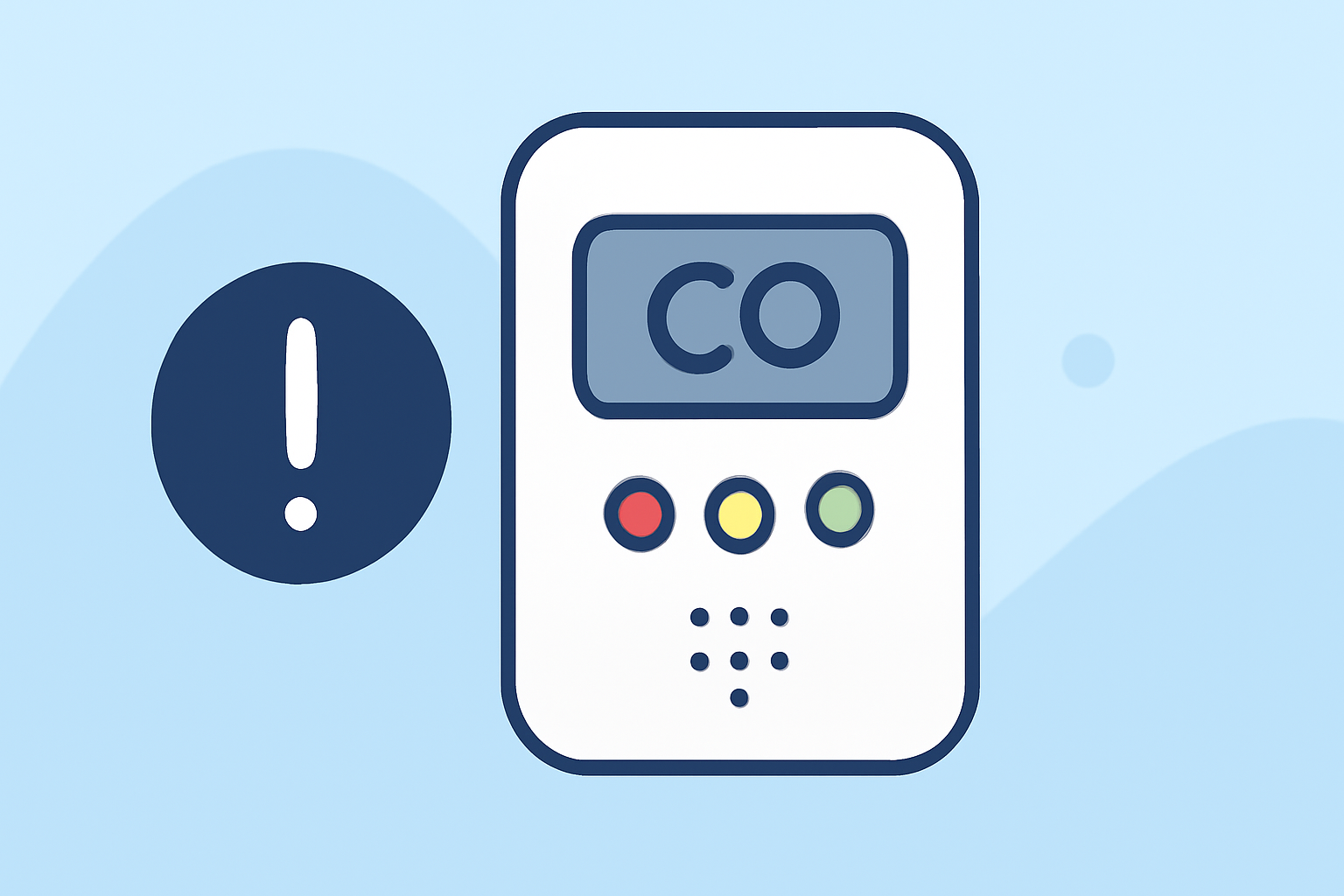
Neglecting to Install CO Detectors: A battery-powered or battery backup CO detector is essential, especially during power outages. Regularly check your detectors to ensure they’re functioning.
-
Using Alternative Heating Sources Indoors: Devices that burn gas, propane, charcoal, or wood should not be used indoors. This includes grills, stoves, and fireplaces without proper ventilation.
-
Ignoring Symptoms of CO Poisoning: Symptoms include headaches, dizziness, weakness, nausea, and confusion. If you or someone shows these symptoms, immediately move to fresh air and call for help.
How Can You Safeguard Yourself from Carbon Monoxide Exposure?
Safeguarding against carbon monoxide exposure requires both awareness and preparation:
- Always have a battery-operated CO detector in your home.
- Check the expiration date on your detectors regularly and replace them as needed.
- Develop an emergency plan that includes seeking immediate medical attention if CO poisoning is suspected.
Why Is It Important to Monitor Your Carbon Monoxide Levels During Severe Weather?
Monitoring CO levels is critical during severe weather when alternative power sources may be used. Understanding CO levels can help prevent tragedies:
- Early detection: CO detectors provide alerts before levels become hazardous.
- Peace of mind: Real-time monitoring can help reassure households that they are safe.
What Features Does Clime Offer to Help Monitor Weather Conditions?
Clime provides various features to help users stay informed during severe weather:
- NOAA-based Weather Radar: Visualize precipitation in real-time, which allows for better preparation.
- Severe Weather Alerts: Set up alerts for hazardous conditions tailored to your saved locations.
- Extended 14-day Forecasts: Plan ahead with comprehensive weather information to minimize risk.
Conclusion: What We Recommend
- Consider using Clime to receive timely alerts and detailed forecasts, helping you stay safe during severe weather.
- Regularly check your CO detectors and have a backup plan in place for power outages.
- Avoid using any fuel-burning devices inside your home.
- Educate your family and friends about carbon monoxide safety to enhance community awareness.