
Choosing the Right Footwear for Every Climate: A Traveler's Guide
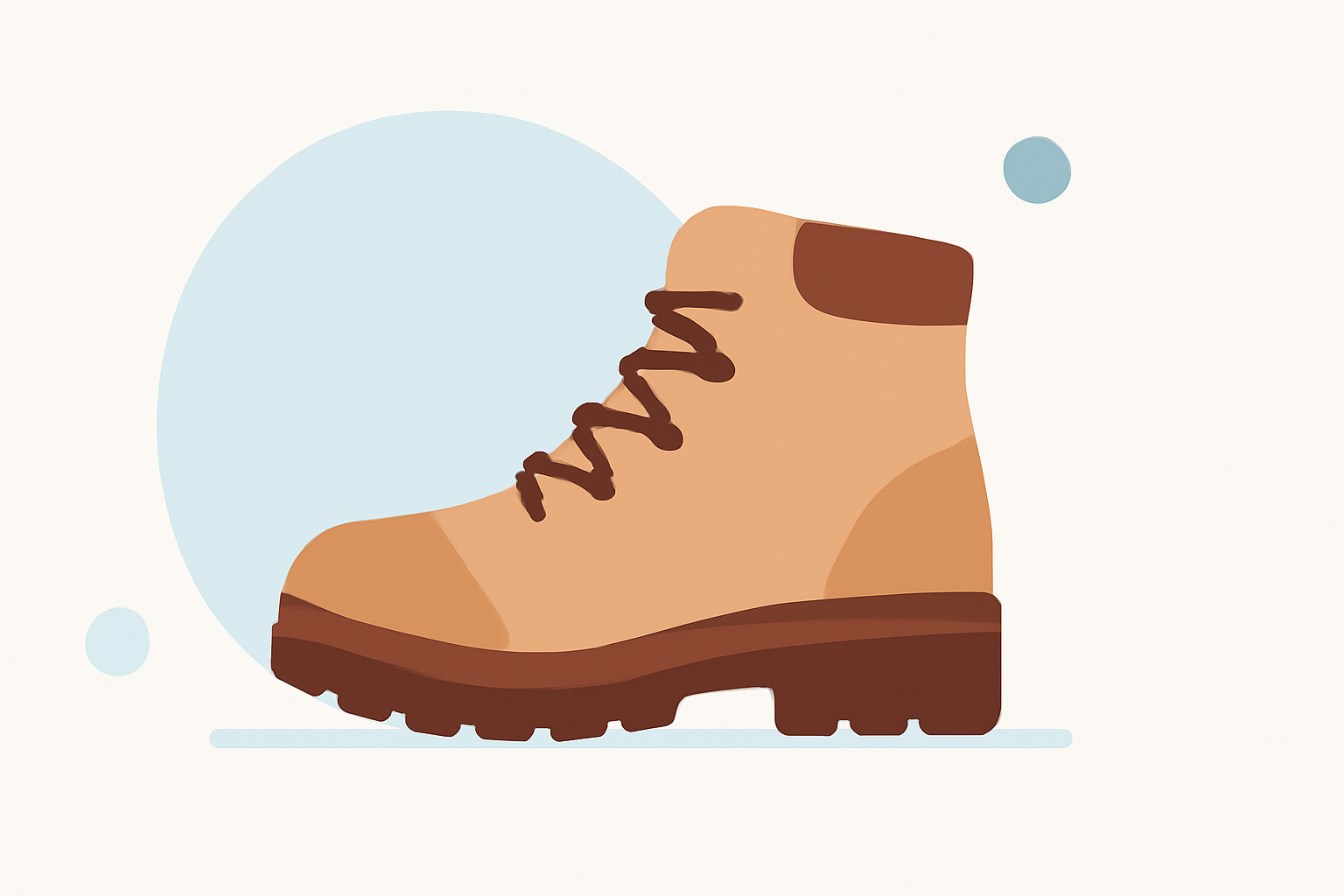
Selecting the appropriate footwear is crucial for travelers, as it directly impacts comfort, safety, and overall experience. Different climates and weather conditions demand specific features in shoes. This guide provides insights into choosing the right footwear for various weather scenarios.
Sunny and Warm Climates
In hot and humid environments, prioritize shoes that offer breathability and moisture-wicking properties. Opt for lightweight materials like mesh or perforated leather to keep your feet cool. Ensure the shoes have good cushioning for extended walking and slip-resistant soles to prevent slipping on hot surfaces. Light-colored shoes can also help reflect sunlight, keeping your feet cooler.
Rainy Conditions
For wet weather, waterproof shoes are essential. Look for footwear with sealed seams and waterproof membranes to keep your feet dry. Rubber or synthetic materials are effective in preventing water penetration. Non-slip rubber soles with deep grooves provide better traction on wet surfaces, reducing the risk of slipping.
Cold and Snowy Environments
In colder climates, insulated boots are necessary to retain heat. Materials like wool or synthetic insulation offer warmth without excessive bulk. Waterproofing is crucial to prevent snow and ice from soaking through. Deep lugs and rugged treads on the soles enhance grip on icy and snowy terrains. High ankle coverage provides additional support and protection against cold winds.
Humid Climates
In humid conditions, choose shoes made from breathable materials that allow air circulation. Synthetic fabrics like polyester are effective in wicking moisture away from the feet, keeping them dry and reducing the risk of fungal infections. Avoid heavy fabrics that trap heat and moisture. Opt for shoes with moisture-wicking linings and quick-drying materials to maintain comfort throughout the day.
Windy Conditions
For windy environments, select shoes with a snug fit to prevent wind from entering. Wind-resistant materials like Gore-Tex can keep feet warm and dry. High-top shoes offer extra ankle support, enhancing stability in strong winds. Ensure the shoes have a secure closure system, such as tight laces, to keep the wind out.
Transitional Weather
In regions with unpredictable weather, versatility is key. Ankle boots or trail shoes can adapt to both cool and mild conditions. Look for shoes with removable insoles for comfort customization and moderate insulation suitable for all-season wear. Quick-drying construction is beneficial for sudden changes in weather.
Maintenance Tips
Proper care extends the life of your footwear:
-
Cleaning: Use a soft brush and mild soap to remove dirt.
-
Drying: Air-dry shoes at room temperature; avoid direct sunlight to prevent material damage.
-
Storage: Store shoes in a cool, dry place.
-
Rotation: Alternate between pairs to allow each to rest and dry completely.
Conclusion
Choosing the right footwear tailored to specific weather conditions enhances comfort and safety during your travels. By considering factors like material, insulation, waterproofing, and traction, you can select shoes that meet the demands of various climates and terrains.