
Choosing the Right Footwear for Various Weather Conditions
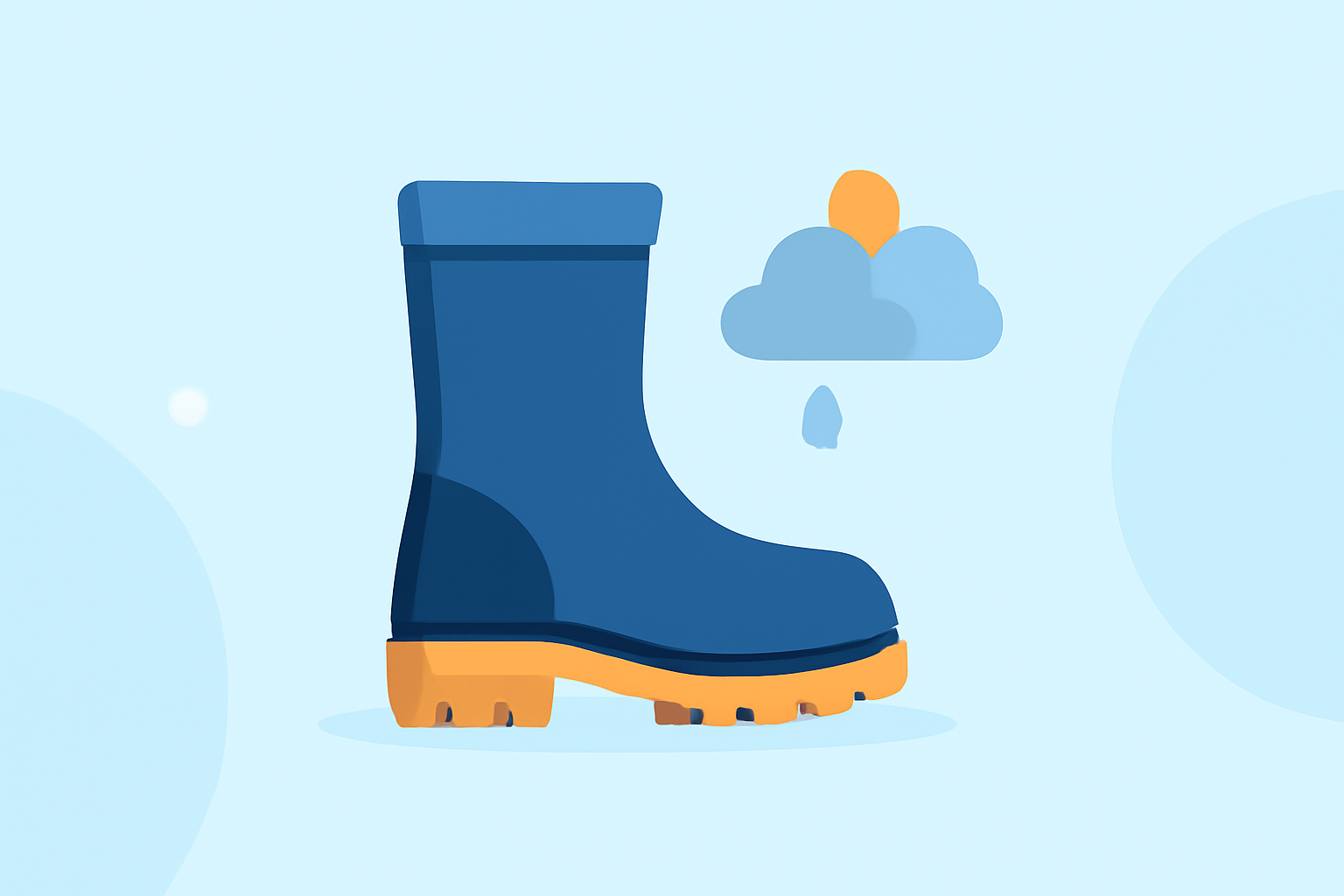
Selecting the right footwear for varying weather conditions is essential for comfort, safety, and performance. Whether you're navigating sunny streets, rainy paths, or snowy trails, the appropriate shoes can make all the difference.
Sunny and Hot Weather
In warm conditions, prioritize breathability and moisture-wicking properties. Opt for shoes made from mesh or lightweight synthetic materials that allow air circulation, keeping your feet cool and dry. Light-colored shoes can reflect sunlight, further reducing heat absorption. Ensure the shoes have adequate cushioning and support to handle extended periods of walking or standing.
Rainy Conditions
For wet weather, waterproofing is crucial. Look for shoes with sealed seams and waterproof membranes to keep your feet dry. Rubber outsoles with deep treads provide better traction on slippery surfaces, reducing the risk of slips. Materials like Gore-Tex offer waterproofing while maintaining breathability, which is beneficial during active use. (columbia.com)
Cold and Snowy Weather
In cold conditions, insulation and waterproofing are key. Choose boots with thermal linings, such as Thinsulate or shearling, to retain heat. Waterproof materials prevent snow and ice from entering, keeping your feet dry and warm. Rubber soles with deep treads offer enhanced grip on icy surfaces, reducing the likelihood of falls. (prevention.com)
Humid and Wet Conditions
In humid climates, opt for shoes made from moisture-wicking materials to keep your feet dry and comfortable. Breathable uppers, such as mesh or knit fabrics, allow air circulation, reducing sweat and potential odor. Quick-drying linings help prevent the discomfort associated with damp footwear. Rubber outsoles with visible tread patterns perform better on damp surfaces, providing necessary traction. (weatherstyle.app)
Windy Conditions
In windy environments, choose shoes with a snug fit to prevent wind from entering. Wind-resistant materials, such as Gore-Tex, can help keep your feet warm and dry. High-top shoes offer additional ankle support, which can be beneficial in strong winds. Ensure the shoes have good traction to maintain stability on potentially slippery surfaces. (footonboot.com)
Transitional Weather
For fluctuating weather conditions, versatility is essential. Ankle boots can adapt to both cool and mild temperatures, while sneakers offer comfort and style for various activities. Loafers are easy to slip on and off, suitable for both work and casual settings. Layering socks can help adjust to changing temperatures, and waterproof shoes can handle unexpected rain. (footonboot.com)
Maintenance Tips
Proper care extends the life of your footwear. Clean shoes with a soft brush and mild soap to remove dirt. Dry them at room temperature, avoiding direct sunlight, which can damage materials. Regularly inspect shoes for signs of wear and replace them as needed to ensure optimal performance.
By selecting footwear tailored to specific weather conditions and maintaining them properly, you can ensure comfort, safety, and longevity in your shoes.