
Choosing the Right Raincoat During Pollen Season: A Comprehensive Guide
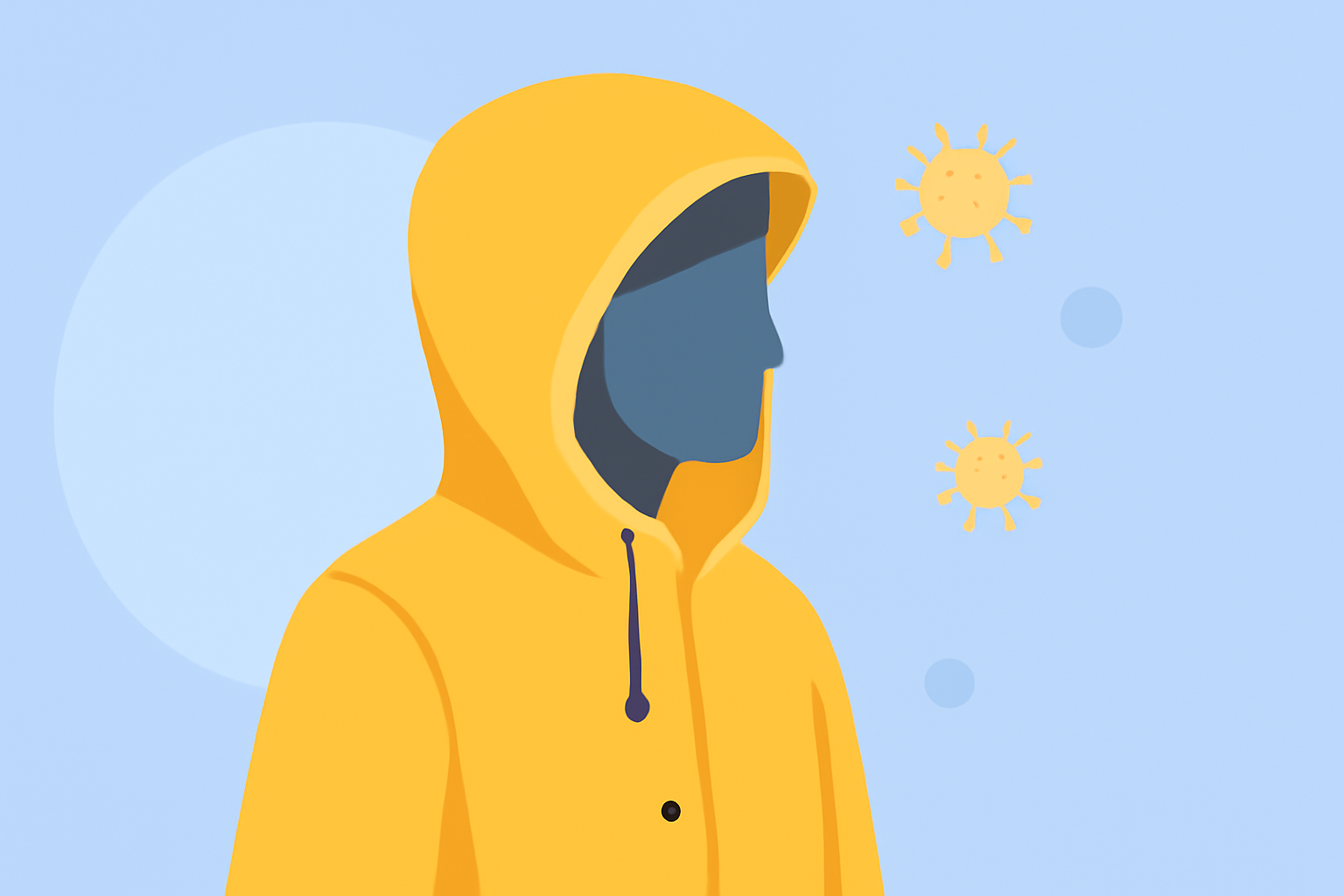
During pollen season, individuals with allergies often seek ways to stay dry while minimizing exposure to airborne allergens. Selecting the right raincoat can play a crucial role in achieving this balance.
Why Is a Specialized Raincoat Important During Pollen Season?
Traditional raincoats may not effectively shield against pollen, as they often lack features that prevent allergens from entering. A specialized raincoat designed for pollen season offers:
-
Enhanced Sealing: Features like adjustable cuffs, drawcord hems, and storm flaps to prevent pollen from entering.
-
Breathable Materials: Fabrics that allow moisture to escape, reducing the buildup of sweat and allergens inside the coat.
-
Waterproofing: Reliable waterproof membranes to keep you dry during rain, which can also help in reducing pollen exposure.
Key Features to Look for in a Pollen-Season Raincoat
When selecting a raincoat for pollen season, consider the following features:
-
Adjustable Cuffs and Hems: These allow you to tighten openings, minimizing the entry of pollen.
-
High Collar or Hood: A raised collar or adjustable hood can protect the neck and head from pollen.
-
Waterproof and Breathable Fabrics: Materials that keep you dry while allowing sweat to escape, preventing the accumulation of allergens.
-
Sealed Seams: Taped or sealed seams prevent pollen from entering through stitching.
Recommendations for Pollen-Season Raincoats
While specific product recommendations are not provided here, it's advisable to look for raincoats that offer the features mentioned above. Many outdoor gear retailers provide detailed product descriptions and customer reviews to assist in making an informed choice.
Additional Tips for Managing Pollen Exposure
-
Keep Windows Closed: During high pollen days, keep windows in your home and vehicle closed to prevent pollen from entering.
-
Use Air Conditioning: Utilize air conditioning with a clean filter to circulate air without bringing in pollen.
-
Shower After Outdoor Activities: Rinse off pollen from your skin and hair to reduce indoor exposure.
-
Wash Outdoor Clothing Promptly: Change and wash clothes after being outside to remove pollen residues.
Conclusion
Choosing a raincoat with features that prevent pollen entry can significantly reduce exposure during allergy season. By considering the key features outlined above and implementing additional pollen management strategies, you can stay dry and comfortable while minimizing allergic reactions.
(newsnetwork.mayoclinic.org)