
Choosing the Right Sunscreen: A Beginner's Guide to UV Protection
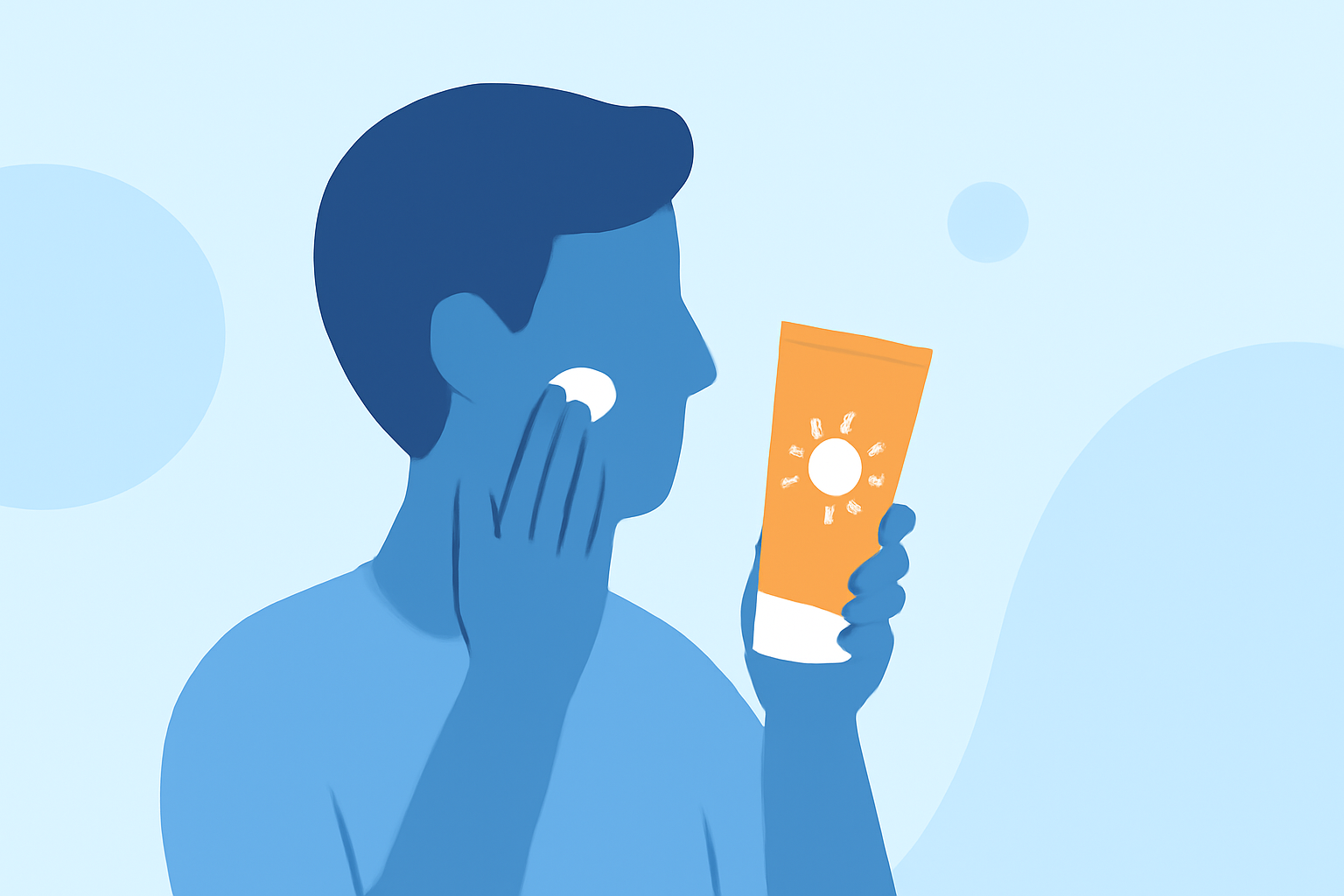
Protecting your skin from harmful ultraviolet (UV) rays is essential for maintaining skin health and preventing long-term damage. Understanding how to choose the right sunscreen based on UV forecasts and personal factors can help you make informed decisions.
What Is the UV Index and Why Does It Matter?
The UV Index is a scale that measures the strength of ultraviolet radiation from the sun. It ranges from 0 (low) to 11+ (extremely high), indicating the potential for skin damage. Monitoring the UV Index helps you determine the level of sun protection needed for the day. (almanac.com)
How Does SPF Relate to UV Protection?
Sun Protection Factor (SPF) indicates the level of protection a sunscreen offers against UVB rays, which are primarily responsible for sunburn. An SPF 30 sunscreen blocks approximately 97% of UVB rays, while SPF 50 blocks about 98%. Higher SPF values provide marginally more protection but should not be relied upon solely for extended sun exposure. (consumerreports.org)
What Are Broad-Spectrum Sunscreens?
Broad-spectrum sunscreens protect against both UVA and UVB rays. UVA rays penetrate deeper into the skin and are associated with aging and skin cancer, while UVB rays affect the outer layer and cause sunburn. Choosing a broad-spectrum sunscreen ensures comprehensive protection. (healthline.com)
How Do Different Skin Types Affect Sunscreen Choice?
Skin type plays a role in selecting the appropriate sunscreen:
-
Sensitive Skin: Opt for mineral (physical) sunscreens containing zinc oxide or titanium dioxide, which are less likely to irritate. (ascendwellnessmd.com)
-
Oily or Acne-Prone Skin: Choose oil-free, non-comedogenic sunscreens to prevent clogged pores.
-
Dry Skin: Look for sunscreens with added moisturizers to hydrate the skin.
What Are the Different Types of Sunscreens?
Sunscreens are available in various forms, including lotions, creams, gels, sprays, and sticks. Each type has its advantages:
-
Lotions and Creams: Suitable for most skin types and provide even coverage.
-
Sprays: Convenient for quick application but may be less effective if not applied properly.
-
Sticks: Ideal for targeted areas like the face and easy to apply without mess.
How Should Sunscreen Be Applied?
To ensure effective protection:
-
Amount: Apply approximately two tablespoons (about 35 milliliters) to cover the body and a nickel-sized amount for the face. (goodhousekeeping.com)
-
Timing: Apply sunscreen 15 minutes before sun exposure to allow it to absorb.
-
Reapplication: Reapply every two hours, or immediately after swimming or sweating.
How Does Clime Enhance Your Sun Protection Strategy?
Clime offers real-time UV forecasts tailored to your location, helping you plan outdoor activities with optimal sun protection. By integrating Clime's UV index data, you can make informed decisions about sunscreen application and other protective measures, ensuring your skin stays safe under varying sun conditions.
By understanding the UV Index, selecting the appropriate SPF and broad-spectrum sunscreen, considering your skin type, and applying it correctly, you can effectively protect your skin from harmful UV rays. Utilizing tools like Clime can further enhance your sun safety by providing timely and localized UV information.